How to Transplant Malabar spinach?
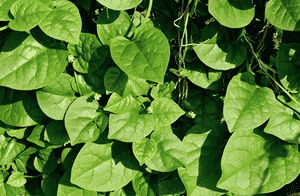
Relocate malabar spinach in the pleasant temperatures of mid to late spring for vigorous development. Select a bright location offering some shade and sufficient room. Careful handling guarantees successful rooting.
Essential Preparations Before Relocating Malabar Spinach
Optimal Period for Malabar Spinach Relocation?
The prime window for moving malabar spinach to your garden spans from mid to late spring. This timing leverages warming soil and moderate temperatures, promoting robust root development and adaptation. Transplanting malabar spinach during this interval allows ample growth prior to peak summer heat, ensuring a strong, thriving plant ready for the coming months. Embracing this ideal transplanting season establishes the foundation for a plentiful malabar spinach harvest, enriching your garden with vibrant foliage and versatility.
Recommended Spacing Between Malabar Spinach Plants?
When relocating, ensure malabar spinach seedlings are spaced approximately 2-3 feet (0.6-0.9 meters) apart. This provides each plant with sufficient room for vigorous, healthy growth, leading to an abundant yield later on.
Ideal Soil Blend for Malabar Spinach Transplanting?
The best soil for malabar spinach is well-drained and fertile. Incorporating well-rotted compost into the soil serves as an excellent foundational fertilizer. This supplies the necessary nutrients for the healthy growth and development of your plants.
Optimal Location for Your Malabar Spinach?
Malabar spinach flourishes in full sun but can also endure partial shade. However, it prefers warmer climates. Select a garden spot that offers a balance of sun and shade for the best growth.
Tools Required Before Transplanting Malabar Spinach?
Spade
Necessary for digging holes in the ground and extracting the malabar spinach plant from its initial spot.
Gardening Gloves
To safeguard your hands while handling soil and plants.
Watering Can
For maintaining plant hydration throughout the transplanting process.
Gardening Trowel
Useful for transferring the plant if it originates from a pot or seedling tray to the ground.
Stakes/String
Malabar spinach may require support as it is a climbing plant, so stakes and string will assist in guiding its growth.
Method for Extracting Malabar Spinach from the Soil?
Method for Extracting Malabar Spinach from the Soil?
From Ground: First, water the malabar spinach plant to moisten the soil. This facilitates easier removal without harming the root system. Use a spade to dig around the plant's perimeter, being careful to avoid cutting into the main roots. Gently lift the plant from the ground using the spade. From Pot: Begin by watering the potted plant. Then, tip the pot and carefully pull the plant out, along with its roots and soil. Be cautious not to damage the plant's stem during this action. From Seedling Tray: Water the tray to dampen the soil. Use a gardening trowel to scoop out individual malabar spinach seedlings. Hold the seedlings by their leaves to prevent any damage to the stem or roots, as they are delicate and easily broken.
Step-by-Step Guide for Relocating Malabar Spinach
Excavation
Preparation is crucial. Start by digging a hole in your chosen planting site that is twice the width of the malabar spinach's root ball and of equal depth.
Positioning
Carefully place the malabar spinach plant into the hole. Ensure the top of the root ball is level with the ground and not buried too deeply.
Backfill
Refill the hole with the excavated soil. Gently firm the soil around the plant's base to ensure it is securely seated and upright.
Hydration
Immediately after transplanting, provide ample water to the malabar spinach plant using a watering can to hydrate and help it settle into its new location.
Support
Since malabar spinach is a vining plant, consider attaching it to a stake as soon as it's transplanted. This will provide the necessary support for healthy growth.
Post-Transplant Care for Malabar Spinach?
Watering
After relocation, the malabar spinach plant might experience stress. Therefore, water the plant thoroughly for the initial few weeks until it establishes itself. Afterward, you can reduce watering, ensuring the soil remains slightly moist.
Pruning
Regularly trim the malabar spinach plant to encourage a bushier growth habit. Additionally, removing dead leaves and spent flowers will help the plant prioritize new growth.
Pests and Diseases
Periodically inspect the plant for pests. If detected early, pest and disease damage can be managed with minimal harm to the plant. A routine organic pesticide spray may be beneficial.
Support
As it grows, adjust the strings or wires supporting the malabar spinach to ensure proper and vigorous development.
Resolving Common Malabar Spinach Transplant Issues.
When is the optimal time to transplant malabar spinach?
The best period to move malabar spinach is during late spring to early summer, which corresponds to your S2-S3 seasons.
What spacing should I maintain between malabar spinach plants after transplanting?
For robust growth, keep a distance of approximately 2-3 feet (0.6-0.9 meters) between malabar spinach plants following transplantation.
What might cause malabar spinach to wilt after transplanting?
Malabar spinach may wilt after transplanting due to transplant shock, which results from root disturbance. Water the plant thoroughly to aid its recovery.
How can I prevent root damage when transplanting malabar spinach?
When relocating malabar spinach, handle the plant gently and try to include as much of the root ball as possible to avoid root damage.
What depth should I consider for planting holes for malabar spinach?
Dig a hole that is twice the width and the same depth as the root ball of your malabar spinach.
Why are my transplanted malabar spinach plants turning yellow?
Yellowing in malabar spinach after transplanting could be due to overwatering, inadequate drainage, or shock. Adjust watering practices and ensure the soil drains properly.
Is it necessary to prune malabar spinach before transplanting?
No, pruning malabar spinach before transplanting is not required. However, pruning after transplanting can help the plant focus on root establishment.
Should I fertilize malabar spinach during transplanting?
While not essential, you can apply a light, slow-release fertilizer at planting time. This will provide malabar spinach with an additional boost.
What soil conditions are ideal for transplanting malabar spinach?
Malabar spinach prefers well-draining soil enriched with organic matter. Therefore, ensure the soil at the new location meets these requirements.
How do I treat malabar spinach suffering from transplant shock?
Help malabar spinach recover from transplant shock by keeping the soil moist and adding a layer of mulch to keep its roots cool and reduce water loss.



