How to Transplant Sea poison tree?
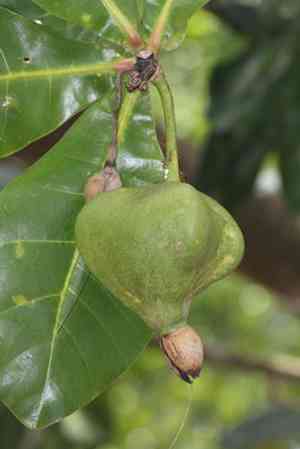
The optimal period for relocating sea poison tree is during its active growth phase, a time when environmental conditions favor root development. Select a coastal location, replicating sea poison tree's inherent shoreline environment, featuring soil that drains effectively. When shifting sea poison tree, proceed gently to safeguard its fragile root system.
What Preparations are Needed Before Transplanting Sea Poison Tree?
What is the Ideal Time for Transplanting Sea Poison Tree?
The best time to move sea poison tree is during the period of growth and rejuvenation. During these months, mild temperatures and increasing daylight provide perfect conditions for root development, ensuring a smoother transition and improved growth. Relocating sea poison tree when nature is vibrant not only aligns with its life cycle but also promises lush, strong development. This timely relocation establishes a solid foundation for sea poison tree to flourish, matching the natural rhythm for ongoing success.
How Much Space Should You Leave Between Sea Poison Tree Plants?
When planting your sea poison tree, remember to provide ample room for their expansion. Ideally, they should be spaced approximately 20-25 feet (6-7.6 meters) apart. This will allow your plants plenty of area to spread out and thrive.
What is the Best Soil Mix for Sea Poison Tree Transplanting?
Your sea poison tree will benefit from a well-draining soil mixture, rich in organic material. Before transplanting, enrich the ground with a foundational fertilizer high in nitrogen to support its development. As a new gardener, it's simple to find pre-made mixes and fertilizers at any garden center.
Where Should You Relocate Your Sea Poison Tree?
Select a sunny spot for your sea poison tree. They love sunlight and can tolerate full sun exposure. However, a location with filtered sunlight would also be excellent, offering bright yet indirect illumination. This prevents them from getting scorched by the midday sun.
What Equipments Should You Prepare Before Transplantation Sea Poison Tree?
Gardening Gloves
To safeguard your hands while handling soil and sea poison tree.
Shovel or Garden Spade
These are crucial for excavating holes in the ground when relocating the sea poison tree.
Watering Can or Garden Hose
You will need this to hydrate the sea poison tree plant before and after its move.
Pruning Shears
These are utilized to trim the sea poison tree's roots and branches if necessary.
Wheelbarrow or Plant Pot
To move the sea poison tree from its original spot to the new planting location.
Mulch
This will assist in retaining moisture in the soil after the sea poison tree has been transplanted.
How Do You Remove Sea Poison Tree from the Soil?
How Do You Remove Sea Poison Tree from the Soil?
From Ground: First, water the sea poison tree plant to moisten the soil; this will facilitate removal without harming the roots. Then, dig a wide trench around the plant using a shovel or spade, ensuring you avoid the plant's root system. Carefully work the spade beneath the root ball to lift the plant from its initial position.From a Pot: Begin by watering the sea poison tree plant until water drains from the bottom holes. This will make it easier to extract from the container. Gently tilt the pot to the side and carefully slide the sea poison tree out, supporting the plant's base as you do so.From a Seedling Tray: Water the sea poison tree seedling to dampen the soil, then gently push up from the cell's bottom or use a spoon to lift it out, taking as much of the root system with the soil as possible.
Step-by-Step Guide for Transplanting Sea Poison Tree
Preparation
Once you've chosen the new site for your sea poison tree, prepare the area by clearing it of any weeds or stones and loosening the soil with your shovel or garden spade.
Digging
Excavate a hole that is twice the width of the sea poison tree's root ball and of equal depth.
Placement
Carefully position the sea poison tree in the hole, ensuring the top of the root ball is level with the ground surface. Backfill the hole with soil, gently pressing it around the root ball.
Final Touches
After transplanting, thoroughly water the sea poison tree. Once the water has completely absorbed, cover the area with a layer of mulch to conserve moisture.
How Do You Care For Sea Poison Tree After Transplanting?
Watering
For the initial few weeks post-transplant, ensure the soil around the sea poison tree remains consistently moist but not waterlogged, as this can lead to root rot.
Pruning
After approximately one month, lightly prune your sea poison tree to encourage denser growth.
Regular Checks
Monitor the sea poison tree regularly to confirm it is adapting well to its new environment; it should begin new growth within a month. If not, it may not be adjusting properly and requires additional attention.
Troubleshooting Common Issues with Sea Poison Tree Transplantation.
When is the best time to transplant sea poison tree?
Ideally, you should transplant sea poison tree during the period spanning the first to third seasons of the year.
What is the right spacing while transplanting sea poison tree?
Maintain adequate distance between each plant, preferably around 20 to 25 feet (6.1 to 7.6 meters) apart from one another.
How should I prepare the soil for sea poison tree transplantation?
The soil should drain effectively. Incorporating compost or peat moss can also be beneficial for improving soil structure.
How deep should sea poison tree be planted in the soil?
Plant sea poison tree so that the root ball is flush with the ground level or slightly elevated. It should not be deeply buried.
What is the correct watering technique after transplanting sea poison tree?
Water the plant generously immediately after transplanting. Continue to water every 2-3 days for the first few weeks to aid root establishment.
What should I do if my transplanted sea poison tree looks wilted?
Wilted plants often indicate insufficient water. If watering doesn't help, consider re-evaluating sunlight, temperature, and soil conditions. Consult an expert if the issue persists.
Can I use fertilizer immediately after transplanting sea poison tree?
Allow sea poison tree to acclimate for one to two weeks post-transplantation before applying any slow-release, balanced fertilizer to promote healthy development.
How can I ensure successful sea poison tree transplant in a pot?
Ensure a container with excellent drainage, add a layer of gravel, and use high-quality potting soil. Position the planted sea poison tree in a spot receiving ample sunlight.
Why are the leaves of sea poison tree turning yellow after transplantation?
Yellowing leaves can signal overwatering or a lack of nutrients. Adjust your watering schedule and consider adding a nutrient-rich fertilizer.
How often should I check sea poison tree's growth after transplantation?
Regularly monitor the plant's growth for the initial few months. Keep an eye on its overall health, inspect the leaves, and ensure proper watering and sunlight.



