How to Transplant Porcupine flower?
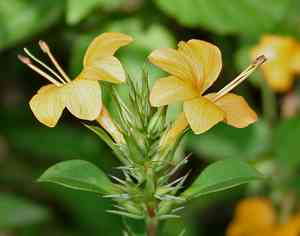
Relocate porcupine flower during the mild period of early to late spring, which is ideal for root development. Provide a bright spot with soil that drains effectively. Handle with care to reduce root shock, ensuring a smooth acclimation.
What Preparations are Needed Before Transplanting Porcupine Flower?
What is the Ideal Time for Transplanting Porcupine Flower?
The optimal period to relocate your porcupine flower is during spring's active growth phase. This season, characterized by vigorous development, provides a mild environment perfect for moving plants. Shifting your porcupine flower at this time leverages the cooler, damp soil, fostering robust root growth before summer's heat. It's a moment when nature aids recovery and ensures your porcupine flower thrives in its new spot. So, when spring's gentle warmth graces your garden, that's your signalâtransplant your porcupine flower and observe its flourishing with the season's energy.
How Much Space Should You Leave Between Porcupine Flower Plants?
Hello, gardening enthusiast! When planting your porcupine flower, position each one approximately 18-24 inches (45-60 cm) apart. This provides ample room for each plant to thrive without competing for nutrients and sunlight.
What is the Best Soil Mix for Porcupine Flower Transplanting?
For your porcupine flower, you'll want to prepare a comfortable area with soil that drains well. Incorporate some organic compost as a foundational fertilizer to give your plants a nourishing start. Consider it a hearty meal for your porcupine flower!
Where Should You Relocate Your Porcupine Flower?
Your porcupine flower enjoys soaking up the sun, so select a bright location that receives at least 6 hours of direct sunlight daily. A spot where the morning sun can greet your porcupine flower would be wonderful!
What Equipments Should You Prepare Before Transplantation Porcupine Flower?
Gardening Gloves
To safeguard your hands while handling soil and plants.
Spade or Shovel
For excavating and lifting the porcupine flower's root mass.
Watering Can or Garden Hose
To hydrate the porcupine flower before and after relocation.
Shears or Pruning Snips
To trim any damaged roots or foliage if necessary.
Wheelbarrow or Plant Dolly
For moving the excavated porcupine flower to its new site.
Measuring Tape
To determine the appropriate depth and width for the new planting hole.
Mulch
To insulate the porcupine flower's roots and maintain moisture post-transplant.
Rooting Hormone (optional)
To stimulate root development in cases of significant root damage during extraction.
How Do You Remove Porcupine Flower from the Soil?
How Do You Remove Porcupine Flower from the Soil?
From Ground: First, irrigate the porcupine flower plant to moisten the soil. Carefully dig a wide circle around the plant with a spade or shovel to avoid harming the root system. Use the tool to gently lift the root ball from the ground and place it onto a wheelbarrow or plant dolly.From Pot: Water the porcupine flower and allow the soil to absorb moisture, facilitating easier removal. Tilt the pot sideways and gently tap or press its sides to loosen the root ball. Carefully pull the plant by its base, supporting the root ball, until it slides out.From Seedling Tray: Water the soil in the tray to simplify the extraction of the porcupine flower seedlings. Use a spoon or dibber to gently pry the seedling out, ensuring to include as many roots and surrounding soil as possible.
Step-by-Step Guide for Transplanting Porcupine Flower
Prep Work
Thoroughly water the porcupine flower in its original spot to lessen transplant shock.
Hole Preparation
Excavate a hole in the new location roughly twice as wide and the same depth as the porcupine flower's root ball to ensure ample space for root expansion.
Root Ball Care
Inspect the porcupine flower's root ball, and trim any broken or damaged roots using shears or pruning snips. If needed, apply a rooting hormone to the cuts to encourage growth.
Placing the Plant
Carefully position the porcupine flower in the center of the new hole. The top of the root ball should be level with the surrounding ground.
Refilling the Hole
Backfill the hole with the excavated soil, gently firming it down around the root ball to eliminate air pockets.
Watering
Give the porcupine flower a generous watering to settle the soil and hydrate the roots. If the soil settles significantly after watering, add more soil to level the surface.
Mulching
Apply a layer of mulch around the base of the porcupine flower, keeping it away from the stem to prevent rot and to help retain soil moisture.
Finishing Touches
Use the wheelbarrow or plant dolly to tidy the area and return any unused soil to the garden or storage.
How Do You Care For Porcupine Flower After Transplanting?
Regular Watering
Water the porcupine flower thoroughly after transplanting and continue to provide consistent irrigation, gradually reducing frequency as the plant establishes.
Monitoring
Observe the porcupine flower for indications of stress, such as wilting or discolored leaves, and adjust care as needed.
Pruning
Remove any dead or damaged foliage to stimulate new growth and maintain plant vitality.
Staking (if necessary)
Provide support for the porcupine flower with stakes or cages if it appears to be leaning or unstable after transplanting.
Troubleshooting Common Issues with Porcupine Flower Transplantation.
What's the best time for transplanting porcupine flower?
Relocate porcupine flower during the revitalizing months of early to late spring when growth is optimal.
How far apart should I space porcupine flower when transplanting?
Ensure a spacing of 18-24 inches (45-60 cm) to give porcupine flower ample room to flourish.
Why is my porcupine flower wilting post-transplant?
Wilting could be due to transplant shock. Keep the soil moist and avoid direct sunlight initially.
What soil conditions favor porcupine flower transplant success?
Preferably use well-draining soil enriched with organic matter to promote healthy root development for porcupine flower.
How deeply should I plant porcupine flower's root ball?
The root ball of porcupine flower should be level with the soil surface, not deeper or shallower.
Can I transplant porcupine flower on a hot, sunny day?
Transplant porcupine flower on a cool, overcast day to reduce transplant shock and water loss.
Should I prune porcupine flower before transplanting?
Lightly prune porcupine flower to focus energy on root establishment, but avoid heavy pruning.
How much should I water porcupine flower after transplanting?
Water thoroughly after transplanting and keep the soil consistently moist without waterlogging for best results.
What should I do if porcupine flower's leaves turn yellow?
Yellow leaves may indicate shock or water imbalance. Assure proper watering and consider a mild fertilizer.
Is mulching beneficial for porcupine flower after transplanting?
Mulching helps retain soil moisture and regulates temperature, a boon for porcupine flower's root settling.



