How to Transplant Burmese grape?
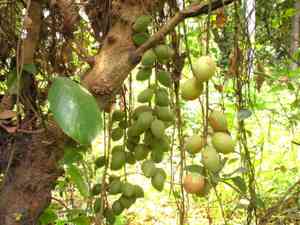
For burmese grape, the ideal period for relocation is from mid-spring to late spring, as mild temperatures facilitate root development. Place burmese grape in a sunny spot with good drainage, allowing sufficient room for expansion. Gentle management of the root system during the transfer process is crucial for successful establishment.
Essential Preparations Before Relocating Burmese Grape?
Optimal Period for Relocating Burmese Grape?
Relocating burmese grape during the height of spring is perfect, as the mild temperatures and increasing daylight foster vigorous development. Moving burmese grape at this time maximizes the chances for strong root establishment, ensuring its vitality.
Required Spacing Between Burmese Grape Plants?
For new gardeners, it's crucial to provide burmese grape ample room to flourish. When preparing for relocation, ensure each plant is positioned approximately 8-10 feet (2.4-3 meters) apart. This will allow the roots sufficient area to spread and strengthen.
Best Soil Blend for Burmese Grape Relocation?
The ideal home for your burmese grape is in well-drained, fertile soil. An organic, loamy soil base is perfect. To support healthy growth, incorporate a slow-release granular fertilizer into the soil before planting. This will supply your plant with nourishing nutrients over time.
Where to Replant Your Burmese Grape?
When considering where to plant your burmese grape, remember it thrives in full to partial sunlight. Select a garden spot that receives a good balance of sun and shade throughout the day. Don't worry, burmese grape is sun-loving and will flourish under bright but indirect light.
Equipment Needed Before Relocating Burmese Grape?
Hand Pruner
To safely remove unneeded plant parts during relocation.
Shovel or Spade
To excavate the plant from its original spot and prepare the new planting hole.
Gardening Gloves
To safeguard your hands during the removal and relocation process.
Watering Can or Hose
To hydrate the soil and aid root establishment in the new location.
Compost or Organic Matter
To enrich the planting hole and meet the plant's nutritional needs.
Garden Fork
To gently lift the plant from its container or the ground, minimizing root damage.
Wheelbarrow (if needed)
To transport the plant from its initial position to the new site.
How to Extract Burmese Grape from the Soil?
How to Extract Burmese Grape from the Soil?
From Ground: Water the area around your burmese grape plant a day prior to relocation to moisten the soil and facilitate digging. Using a spade or shovel, dig a wide circle around the plant, maintaining a safe distance from the main stem to prevent root damage. Once the circle is deep enough, carefully work the tool beneath the plant and lift. Place the plant on a wheelbarrow (if used) or a tarp for transport to the new site.From Pot: Water the burmese grape plant and invert the pot, holding the plant at its base. Gently pull the pot away. If the plant is stuck, press on the pot's sides to loosen the soil and try again.From Seedling Tray: Fill the tray with water and allow the seedlings to soak for about 15 minutes. This will loosen the soil and simplify extraction. Hold the burmese grape seedling by its leaves (not the stem), and gently lift it from the cell. Be careful not to harm the delicate roots.
Step-by-Step Guide for Relocating Burmese Grape
Preparation
Prepare the new planting site by digging a hole twice as wide and as deep as the burmese grape's root ball. Incorporate some compost or organic matter to enrich the soil.
Placement
Position your burmese grape plant in the hole. Ensure it is not deeper than it was in its previous location, with the top of the root ball flush with the soil surface.
Filling
Carefully backfill the hole, gently firming the soil around the plant's base.
Watering
Thoroughly water your burmese grape plant after relocation. This helps settle the soil and eliminate any air pockets around the roots.
Post-Relocation Care for Burmese Grape
Follow-Up Care
Monitor your burmese grape plant regularly over the next few weeks. Look for any indications of relocation shock, such as wilting or yellowing leaves. If these signs appear, water the plant carefully and reduce sunlight exposure.
Mulching
Apply a layer of organic mulch around your burmese grape plant, ensuring it doesn't touch the stem. This helps retain moisture and suppress weed growth.
Pruning
If necessary, prune your burmese grape after relocation to balance the top growth with the root system, but be cautious not to over-prune as the plant needs its leaves to generate energy for new root development.
Addressing Common Issues with Burmese Grape Relocation.
When is the best time to relocate burmese grape?
The optimal period to relocate burmese grape is during late spring and early summer (S2-S3), when the plant is actively growing.
What distance should be maintained between burmese grape during relocation?
Ideally, burmese grape should be relocated at a distance of 8-10 feet (2.4-3 meters). This provides ample space for each plant to grow and mature.
What are some important steps during burmese grape relocation?
Dig a hole twice the root ball's size, gently place burmese grape in, backfill soil, water thoroughly, and maintain a planting interval of 8-10 feet (2.4-3 meters).
Why are my burmese grape wilting after relocation?
Wilting could be due to sunburn or insufficient watering. After relocating burmese grape, it's crucial to maintain adequate moisture levels and provide protective shading.
How much should I water burmese grape after relocation?
You need to keep the soil moist, not waterlogged. Do not focus too much on the quantity. Observing the condition of your burmese grape is pivotal.
Are there any specific soil requirements for relocating burmese grape?
Yes, burmese grape prefers well-draining soil, rich in organic matter. Sandy loam or clay loam soil types are best.
Is it necessary to prune burmese grape during relocation?
Pruning is not necessary during relocation of burmese grape, but it could help manage the plant's size and shape and promote healthier growth.
What to do if the leaves of my burmese grape are turning yellow after relocating?
Yellowing can indicate overwatering or nutrient deficiency. Adjust your watering schedule and consider a slow-release fertilizer.
How do I handle root damage during burmese grape relocation?
Minimize root exposure and quickly move burmese grape into the new hole. Post-relocation, discourage initial growth by slightly reducing water and sunlight.
Why is my burmese grape not producing fruits after relocating?
Your burmese grape may be stressed from relocation. Give it time to adjust to its new environment. Ensure it's watered properly and receiving adequate sunlight.



