How to Transplant Water fern?
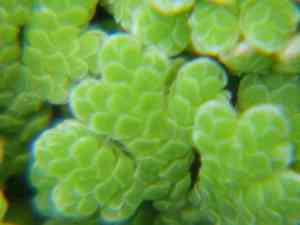
For water fern, the ideal period for relocation is from the increasing warmth of late spring through early summer, which supports vigorous development. Choose a damp, protected spot, and throughout the transplanting process, ensure continuous moisture for effective establishment.
What Preparations are Needed Before Transplanting Water Fern?
What is the Ideal Time for Transplanting Water Fern?
The perfect time for relocating water fern is when late spring transitions into the warmth of early summer. This period allows water fern to benefit from longer days and consistent temperatures, promoting robust development. Moving water fern during these months utilizes the mild weather, reducing stress and increasing success rates for this adaptable aquatic plant. A helpful tip: introduce water fern to its new spot when nature is most supportive, to ensure water fern flourishes and thrives!
How Much Space Should You Leave Between Water Fern Plants?
When arranging your water fern, position each individual plant approximately 2-3 inches (5-7.5 cm) apart. This provides them with sufficient room to float and grow without becoming overcrowded.
What is the Best Soil Mix for Water Fern Transplanting?
For water fern, a rich, organic substrate is most suitable. Create a fertile base by incorporating a balanced, slow-release fertilizer to give your water fern an excellent start. Remember to keep the soil damp, as water fern prefers wet environments.
Where Should You Relocate Your Water Fern?
Select a location for your water fern that receives full sun to partial shade. They appreciate ample light but also benefit from some protection during the hottest part of the day. This balance encourages healthy growth.
What Equipments Should You Prepare Before Transplantation Water Fern?
Watering Can
For gently irrigating water fern following transplantation.
Bucket or Container
To transport and move water fern.
Gardening Gloves
To safeguard your hands while handling the plant.
Aquatic Soil or Peat Moss
To provide support for water fern in its new location.
How Do You Remove Water Fern from the Soil?
How Do You Remove Water Fern from the Soil?
From Pond or Aquarium: Carefully scoop out water fern using a fine-mesh net or a strainer, ensuring minimal disturbance to the plant's structure.From Pot or Tray: Submerge the pot or tray in a water-filled container, allowing water fern to naturally float upwards. If it's stuck, gently detach water fern from the container's edges with your fingers.
Step-by-Step Guide for Transplanting Water Fern
Preparation
Gather all necessary tools and fill your bucket or container with some water to transport water fern.
Removing water fern
Extract water fern from its original spot using the appropriate method described earlier.
Transplanting Location
Prepare the new site with aquatic soil or peat moss, ensuring it can effectively retain moisture.
Placement
Gently position water fern onto the surface of the prepared aquatic soil or mesh-lined water feature.
Anchoring
If needed, gently secure water fern with stones or mesh to prevent it from drifting in the water.
Watering
Water water fern using a watering can to help it settle into its new location without creating a strong current or disruption.
How Do You Care For Water Fern After Transplanting?
Monitoring Growth
Observe water fern as it adapts to its new surroundings and begins to expand.
Water Quality
Ensure the water surrounding water fern is clean and free of pollutants that could impede its development.
Temperature Control
Maintain a consistent temperature in the water feature for optimal growth conditions.
Troubleshooting Common Issues with Water Fern Transplantation.
When's the best time to transplant water fern?
Transplant water fern from late spring through early summer for optimal establishment.
How much space does water fern need when transplanting?
Provide each water fern with approximately 2-3 inches (5-7.5 cm) of space to thrive.
Why is my water fern not thriving after transplanting?
Ensure you are not planting water fern too deeply and that water is consistently available.
Can water fern handle full sunlight after transplanting?
Yes, water fern enjoys full sun but benefits from some shade during the hottest part of the day.
What water conditions does water fern prefer post-transplant?
After transplant, water fern flourishes in moist conditions, so regular watering is crucial for success.
How to transplant water fern without damaging roots?
Gently separate roots before planting and handle with care to prevent harm.
How do I know if water fern needs more nutrients after transplanting?
Pale or yellow leaves may indicate a need for additional nutrients.
Is it normal for water fern to wilt after transplanting?
Slight wilting is common; keep the soil moist, and water fern should recover quickly.
Can I transplant water fern when it's flowering or should I wait?
It's best to wait until the flowering period has concluded to minimize stress on water fern.
What's the ideal soil for transplanting water fern?
Aim for nutrient-rich, well-draining soil to provide water fern with a comfortable new home.



