How to Transplant Glandular ladyfern?
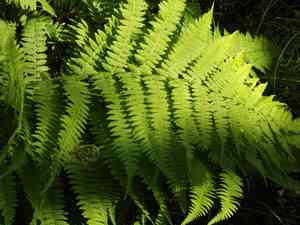
The optimal time for relocating glandular ladyfern spans from early spring's melting snow to the threshold of summer's heat. Select a location offering ample shade and damp earth. Should the environment be arid, thoroughly irrigate the plant following its transfer to facilitate adaptation.
Essential Preparations Before Relocating Glandular Ladyfern
Optimal Period for Moving Glandular Ladyfern?
The best time to move glandular ladyfern is from early spring's onset until just before summer. This timeframe offers a beneficial combination of cooler ground, milder sunlight, and increased rainfall, all crucial for glandular ladyfern's root development. Transplanting glandular ladyfern during this window allows it sufficient time to adapt and strengthen before the rigors of summer or winter dormancy. Seize this opportunity to give glandular ladyfern a strong start in its new home!
Recommended Spacing Between Glandular Ladyfern Plants?
Greetings, gardener! When introducing glandular ladyfern to your garden, aim for a comfortable spacing of approximately 12-24 inches (30-61 cm) between plants. This provides each specimen ample room to thrive without overcrowding.
Ideal Soil Blend for Glandular Ladyfern Transplantation?
To create an optimal environment for glandular ladyfern, incorporate nutrient-rich organic compost into loamy soil. A gentle, slow-release fertilizer mixed into the top layer will supply your glandular ladyfern with the necessary nutrients for vigorous growth.
Where to Replant Your Glandular Ladyfern?
For a flourishing glandular ladyfern, select a location that mimics a shaded corner on a bright day. Filtered sunlight or partial shade will make your glandular ladyfern feel perfectly at home. Avoid direct, intense sun to protect its delicate fronds.
Tools Required Before Transplanting Glandular Ladyfern
Gardening Gloves
To safeguard your hands while handling soil and the plant.
Shovel or Spade
For excavating the plant and preparing the new planting site.
Hand Trowel
Useful for more precise digging and for moving smaller glandular ladyfern plants or young seedlings.
Watering Can or Hose
To ensure the plant is adequately hydrated both before and after the move.
Wheelbarrow or Garden Cart
For transporting the glandular ladyfern and soil, especially if it's a larger specimen.
Pruning Shears
To trim away any damaged roots or foliage.
Compost
To enrich the soil in the transplant hole.
Mulch
To apply around the base of the transplanted glandular ladyfern to conserve moisture and stabilize soil temperature.
How to Extract Glandular Ladyfern from its Current Location?
How to Extract Glandular Ladyfern from the Soil?
From Ground: Water the glandular ladyfern thoroughly the day before relocation to soften the soil for easier digging and minimize plant stress. Dig a wide circle around the glandular ladyfern with a shovel to encompass its root ball. Slide the shovel under the root ball and carefully lift the plant from the ground, aiming to preserve as much of the root system as possible.From Pot: Hydrate the glandular ladyfern in its container before beginning. Turn the pot on its side and gently tap the bottom to loosen the soil from the edges. Carefully slide the glandular ladyfern out of the pot, ensuring to support the plant and its root system.From Seedling Tray: Water the seedlings to ensure the soil remains cohesive. Use a hand trowel or a specialized seedling fork to carefully lift each glandular ladyfern seedling from the tray. Handle the delicate seedlings by their leaves rather than their stems.
Detailed Steps for Transplanting Glandular Ladyfern
Transplant Timing
Choose an overcast day or late afternoon to prevent transplant shock caused by excessive sun and heat.
Digging the Hole
Excavate a hole in the ground wide enough to accommodate the root ball's spread and deep enough so that the glandular ladyfern sits at its original soil level.
Placing the Plant
Position the glandular ladyfern in the center of the hole. Gently spread out the roots if they are matted or circling.
Refilling the Hole
Backfill the hole with native soil mixed with some compost, ensuring no air pockets remain around the roots. The soil should be firm but not overly compacted.
Staking (if necessary)
Insert a stake next to a larger glandular ladyfern if it requires support and loosely tie the stem to it.
Watering
Water the glandular ladyfern thoroughly immediately after transplanting to settle the soil and ensure good root-to-soil contact.
Applying Mulch
Apply a 2-3 inch layer of mulch around the base of the glandular ladyfern, keeping it a few inches away from the stems to reduce weed competition and maintain soil moisture.
Post-Transplant Care for Glandular Ladyfern
Monitoring for Stress
Observe for indications of transplant shock such as wilting, leaf drop, or discoloration. If these occur, ensure consistent watering and protect the glandular ladyfern from extreme temperatures.
Regular Watering
Water the glandular ladyfern consistently to keep the soil moist, especially during the initial weeks after transplanting, but avoid overwatering. Gradually extend the time between waterings to encourage deeper root growth.
Stabilizing Support
Periodically check stakes to confirm they provide adequate support without constricting the glandular ladyfern stem. Adjust as needed.
Pruning
Pruning is generally not necessary immediately after transplanting, but remove any dead or damaged foliage to redirect energy to healthy plant parts.
Protection from Pests
Keep an eye out for pests that might target the glandular ladyfern in its temporarily weakened state. Employ suitable deterrents if pest activity is observed.
Resolving Common Issues with Glandular Ladyfern Transplantation.
What's the ideal time for moving glandular ladyfern?
The optimal period for transplanting glandular ladyfern is from early to late spring when its growth is robust.
How much space should I allow between glandular ladyfern when transplanting?
Aim for a spacing of 12-24 inches (30-60 cm) to provide glandular ladyfern ample room to thrive.
My glandular ladyfern appears to wilt after transplanting; what action should I take?
Ensure glandular ladyfern receives consistent moisture without being waterlogged, and that it's planted at the same soil depth as before.
Why are my glandular ladyfern's leaves turning yellow after transplant?
Yellowing may signal stress from excessive sun or water. Gradually acclimate glandular ladyfern to its new location and monitor moisture levels.
Can I transplant glandular ladyfern with buds or should I wait?
Transplant glandular ladyfern when it is dormant, without buds, to minimize stress and promote root establishment.
How deep should I dig for transplanting glandular ladyfern?
Dig a hole as deep and slightly wider than the root ball to ensure the roots are not constricted.
What soil conditions are best for transplanting glandular ladyfern?
Select well-draining soil rich in organic matter to support glandular ladyfern's root development and overall health.
Should I prune glandular ladyfern before or after transplanting?
Lightly prune glandular ladyfern before transplanting to focus its energy on root development, but avoid heavy pruning.
How much should I water glandular ladyfern after transplanting?
Water thoroughly after transplanting, then maintain consistent moisture without oversaturating to encourage roots to settle.
Is it normal for glandular ladyfern to look droopy after transplanting?
Some drooping is typical as glandular ladyfern adjusts. Ensure proper care, and it should recover as it settles into its new spot.



