How to Transplant Goat's horn?
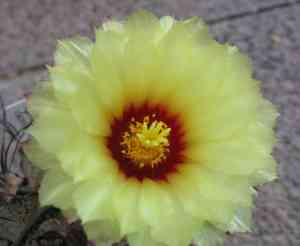
Springtime is ideal for transplanting goat's horn, enabling its root system to settle in mild conditions. Select a bright location with soil that drains effectively; when moving the plant, exercise caution to prevent harm to its roots.
Essential Preparations Before Relocating Goat's Horn
Optimal Timing for Transplanting Goat's Horn?
The prime window for moving goat's horn is early spring, as the season begins its revitalization. This period offers mild weather, fostering strong root development and adaptation. Introducing goat's horn to your garden during this renewal phase allows it to establish itself under perfect growing conditions, ensuring a smooth transition and vigorous growth. A helpful tip â aligning with this natural cycle for transplanting goat's horn can greatly boost its resilience and vitality.
Required Spacing Between Goat's Horn Plants?
When preparing to transplant goat's horn, ensure each plant has ample room to expand and breathe. Aim for a separation of approximately 3-4 feet (about 1-1.2 meters) on each side. This will aid in their healthy and robust development!
Best Soil Mixture for Goat's Horn Transplantation?
Selecting the appropriate soil for goat's horn is crucial. It thrives in well-draining soil, such as a blend of standard potting mix with perlite or coarse sand. Incorporate a phosphorus-rich base fertilizer for robust root growth.
Optimal Location for Your Goat's Horn Relocation?
Goat's horn truly flourishes in bright environments! Locate a sunny spot that receives about 6 to 8 hours of sunlight daily. Remember, the chosen area should offer some protection from intense afternoon sun to prevent leaf burn.
Necessary Equipment for Goat's Horn Transplantation
Gardening Gloves
To avoid any cuts or scratches when handling the spiky goat's horn plants.
Shovel or Spade
For digging a suitably sized hole for the plant's rootball and gently extracting the plant from its container or the ground.
Quality Potting Soil
Perfect for filling the hole and providing the nutritional support that goat's horn needs.
Mulch
To assist in retaining soil moisture after the transplanting process.
Watering Can
To adequately hydrate the plant following its relocation.
Garden Trowel
Useful for removing plants with narrower, deeper root systems.
How to Extract Goat's Horn from the Soil?
How to Extract Goat's Horn from the Soil?
From Ground: Start by watering the goat's horn plant to loosen the surrounding soil. Use a shovel to carefully dig around the plant, ensuring the root ball remains undisturbed. Once you've dug sufficiently deep, gently lift the plant from the ground, making sure all roots are removed intact. From a Pot: Water the goat's horn plant thoroughly before transplanting. Tilt the pot sideways and gently tap it. The moist soil and plant should slide out easily, keeping the root ball intact. If not, you might need to cut the pot away. From Seedling Tray: Moisten the soil in the seedling tray. Gently pry the root ball of the goat's horn plant from its cells or cubes using your fingers or a blunt tool. Aim to minimize root damage and maintain soil contact.
Step-by-Step Guide for Transplanting Goat's Horn
Preparing the Hole
The hole should be twice the width and equal depth to the root ball. Break up any compacted soil at the bottom for easy root penetration.
Placing the Plant
Center the goat's horn plant in the hole. The top of the root ball should be just slightly below the level of the surrounding soil.
Backfilling
Fill the hole halfway with potting soil and gently firm the soil around the plant's base. Then, fill the remainder of the hole with soil, tamping lightly.
Watering
Thoroughly water the goat's horn plant immediately after planting to settle the soil and eliminate any air pockets.
Mulching
Apply a layer of mulch around the newly planted goat's horn. This helps retain moisture and suppress weeds.
Post-Transplant Care for Goat's Horn
Watering
The goat's horn plant should be watered thoroughly right after transplanting, and the soil should be kept slightly moist for the initial few weeks. However, remember that goat's horn is a cactus, and over-watering can cause root rot. Once established, water sparingly.
Foliage Care
Shield the newly transplanted plant from intense sun exposure for a few days. Cacti prefer bright light, but the transition must be gradual.
Weed Control
Regularly check for weed growth around your plant. Weeds can compete with goat's horn for nutrients, water, and sunlight, hindering its development.
Pruning
Trim any browned or dead sections of goat's horn as they appear. This helps the plant direct more energy towards healthier growth.
Addressing Common Issues in Goat's Horn Transplantation.
When is the optimal time to transplant goat's horn?
The best time to transplant goat's horn is during seasons 1-3. It prefers cool, non-freezing temperatures.
What is the ideal spacing for transplanting goat's horn seedlings?
When transplanting, ensure a spacing of 3-4 feet (90-120 cm). This provides goat's horn ample room for healthy growth.
What type of soil should I use for transplanting goat's horn?
Goat's horn thrives in a well-drained soil mix with low organic matter to mimic its natural desert environment.
Should I water goat's horn immediately after transplanting?
Refrain from watering goat's horn right after transplanting. Allow it to settle for a few days to a week for the roots to heal first.
What is the ideal depth for placing goat's horn during transplantation?
The transplantation hole for goat's horn should be deep enough to cover the root systemâapproximately 10 inches (25 cm).
How to prepare goat's horn for transplanting?
Begin by watering goat's horn in its original pot, then carefully remove it, ensuring no root damage before moving it to the new location.
What kind of care does goat's horn need after transplant?
After transplant, goat's horn requires minimal care. Simply water when the soil is completely dry and ensure it receives ample sunlight.
What if the leaves of my goat's horn start turning yellow after transplanting?
Yellowing leaves may indicate overwatering or root rot. Reduce watering and ensure proper soil drainage.
How can I ensure successful growth of goat's horn after transplanting?
Providing goat's horn with the right conditions, including good sunlight, well-drained soil, adequate space, and moderate watering, will promote successful growth.
Are there specific feeding requirements for goat's horn after transplanting?
Goat's horn does not require frequent feeding. A yearly application of a low-nitrogen fertilizer can be beneficial, however.



