How to Transplant Common milkweed?
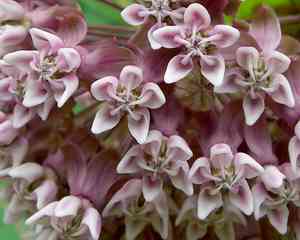
For robust development, relocate common milkweed within the ideal period spanning late spring to midsummer. Select a site offering good drainage and ample sunlight for superior outcomes. A gentle reminder: exercise caution with the fragile root structure when manipulating the specimen!
What Preparations are Needed Before Transplanting Common Milkweed?
What is the Ideal Time for Transplanting Common Milkweed?
The optimal period for relocating common milkweed is from late spring to mid-summer, when the ground is warm and moist. This promotes robust root development and a flourishing plant. Embrace this season for a vibrant common milkweed garden!
How Much Space Should You Leave Between Common Milkweed Plants?
For transplanting common milkweed, an ideal separation of 3-5 feet (0.9-1.5 meters) is recommended. This provides ample room for the plants to expand their roots and grow, ensuring a healthy and thriving garden.
What is the Best Soil Mix for Common Milkweed Transplanting?
To prepare the soil, utilize well-draining, loamy or sandy soil, and incorporate a foundational fertilizer of compost or aged manure. Common milkweed prefers soil with a pH between 6.0 and 7.0, so adjust as necessary.
Where Should You Relocate Your Common Milkweed?
When transplanting common milkweed, select a site that receives full sun to partial shade. This means a minimum of 6 hours of direct sunlight daily. The plants will flourish and produce beautiful blooms under such light conditions.
What Equipments Should You Prepare Before Transplantation Common Milkweed?
Gardening Gloves
To safeguard your hands while handling soil and plants.
Shovel or Spade
For excavating the common milkweed plant from its original spot and creating a new hole for transplanting.
Hand Trowel
To assist with the precise removal of the plant from seedling trays or pots.
Pruning Shears
To trim any broken or damaged roots and stems.
Garden Fork
To loosen and aerate the soil at the new planting site.
Watering Can or Hose
To hydrate the plant before and after its relocation.
Mulch
To help retain moisture and safeguard the newly transplanted common milkweed plant.
Stakes (optional)
To offer support for the common milkweed plant if it tends to lean or grow tall.
How Do You Remove Common Milkweed from the Soil?
How Do You Remove Common Milkweed from the Soil?
- From Ground:First, moisten the common milkweed plant's soil. Then, dig a wide trench around the plant with a shovel or spade, ensuring the root ball remains intact. Carefully work the spade beneath the root ball to lift the plant from its original location.- From Pot:Water the common milkweed plant, then gently tilt the pot sideways, tapping the bottom and sides to release the root ball. Carefully slide the plant out, keeping the roots as intact as possible.- From Seedling Tray:Use a hand trowel or fork to gently lift the common milkweed seedling from the tray, being careful not to harm the delicate roots. Handle the plant by its leaves or lower stem, not the roots.
Step-by-Step Guide for Transplanting Common Milkweed
Preparation
Ensure the common milkweed plant is well-hydrated and the soil is moist before removing it from its initial spot.
Soil Preparation
Use a garden fork to loosen and aerate the soil at the transplant site. This will facilitate the establishment of the common milkweed plant's roots.
Digging the Hole
Excavate a hole at the transplant site, slightly larger than the common milkweed plant's root ball, using a shovel or spade. Ensure the hole's depth accommodates the entire root ball.
Preparing the Plant
Use pruning shears to trim any broken or damaged roots and stems from the common milkweed plant.
Placing the Plant
Gently lower the common milkweed plant's root ball into the hole, ensuring it is positioned at the same depth as it was in its original location. Make sure the plant is upright and correctly oriented (if there is a sun-facing side).
Backfilling
Fill the hole around the root ball with soil, gently pressing down to eliminate air pockets and ensure good soil contact with the roots.
Watering
Slowly water the common milkweed plant to help settle the soil and establish good root contact. Avoid overwatering.
Mulching
Apply a layer of mulch around the base of the common milkweed plant to help retain moisture and protect the transplant.
Staking (optional)
If necessary, insert stakes to provide support for the common milkweed plant, especially if it tends to lean or grow tall.
How Do You Care For Common Milkweed After Transplanting?
Monitoring
Regularly check the common milkweed plant for signs of stress or shock, such as wilted or yellowing leaves, and address any issues promptly.
Watering
Keep the soil around the common milkweed consistently moist, but not waterlogged, for the initial few weeks post-transplant to aid in strong root establishment.
Pruning
Trim any damaged or dead leaves and stems to encourage healthy new growth.
Fertilizing
Wait several weeks after transplanting before applying any fertilizer to the common milkweed plant, to avoid causing additional stress.
Pest Control
Keep an eye out for pests and diseases that could affect the common milkweed plant, and take appropriate action to address any issues found.
Troubleshooting Common Issues with Common Milkweed Transplantation.
What's the best time to transplant common milkweed?
The optimal period to transplant common milkweed is late spring to mid-summer, ensuring ample warmth and sunlight for growth.
What should the spacing between common milkweed plants be?
To help common milkweed thrive, maintain a distance of 3-5 feet (0.9-1.5 meters) between plants, allowing for healthy growth.
What soil conditions does common milkweed prefer?
Common milkweed flourishes in well-drained, loamy to sandy soil with a neutral to slightly acidic pH of 6-7.
How deep should I plant common milkweed when transplanting?
Dig a hole deep enough to accommodate the root ball, typically around 10 inches (25 cm) deep.
What do I need to do before transplanting common milkweed?
Water the plant thoroughly, prepare the soil, and dig an appropriately sized hole for the root ball.
How should I handle the root ball during transplanting?
Gently remove the root ball from its container, slightly loosen the roots, and place it in the hole.
How should I water common milkweed after transplanting?
Water thoroughly after transplanting to settle the soil. Then, provide consistent moisture during establishment.
How can I ensure common milkweed adapts well to its new location?
Promote successful adaptation by maintaining adequate moisture, mulching around the plant, and providing proper spacing.
Do I need to fertilize common milkweed once transplanted?
Fertilize common milkweed with a balanced slow-release fertilizer in spring, following label instructions for amounts and application.
What can I do if my transplanted common milkweed wilts?
If your common milkweed wilts, ensure it's receiving consistent moisture and consider providing shade during excessive heat.



