How to Transplant Narrowleaf milkweed?
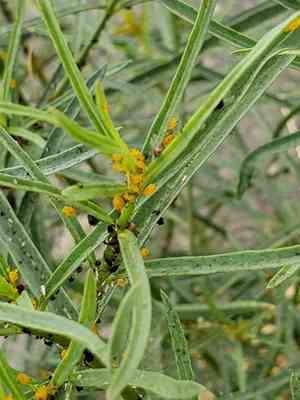
The optimal period for relocating narrowleaf milkweed is from mid to late spring, allowing the plant to become established in moderate temperatures. Select a bright area featuring soil that drains effectively. Gradually introduce narrowleaf milkweed to its new environment to minimize the stress of transplantation.
What Preparations are Needed Before Transplanting Narrowleaf Milkweed?
What is the Ideal Time for Transplanting Narrowleaf Milkweed?
The optimal period for moving narrowleaf milkweed is during the revitalizing phase of mid-to-late spring. This season offers narrowleaf milkweed a balanced mix of moderate temperatures and increasing daylight, which encourages strong root development and growth prior to summer's full intensity. By transplanting narrowleaf milkweed within this opportune window, you ensure its delicate roots have ample time to adapt and spread in their new setting, setting the stage for a flourishing, robust plant. Placing narrowleaf milkweed in your garden during this time aligns it with natural growth cycles, promoting a smooth transition and peak plant vitality.
How Much Space Should You Leave Between Narrowleaf Milkweed Plants?
For narrowleaf milkweed, aim to position plants approximately 2-3 feet (60-90 cm) apart. This guarantees sufficient room for their development and healthy root expansion. This step is crucial, so mark your locations carefully before digging!
What is the Best Soil Mix for Narrowleaf Milkweed Transplanting?
Narrowleaf milkweed thrives in well-drained, sandy or rocky soil. To encourage initial growth, incorporate a slow-release, granular fertilizer into the base soil. Be sure to follow product directions; over-fertilizing should be avoided!
Where Should You Relocate Your Narrowleaf Milkweed?
Regarding placement, narrowleaf milkweed loves sunlight. Find a bright spot that receives at least 6 hours of direct sun daily. However, they can also tolerate partial shade. Select the appropriate location for a healthier plant!
What Equipments Should You Prepare Before Transplantation Narrowleaf Milkweed?
Gardening gloves
To safeguard your hands while handling soil and the plant.
A trowel or shovel
To excavate the narrowleaf milkweed plant from its original spot and create a hole in the new location.
A gardening fork
To gently loosen the plant's root system before relocation.
Watering can or hose
For hydrating the plant before and after its move.
Wheelbarrow or bucket
To move the plant from its initial position to the new one without harming the roots.
Mulch
To establish a protective layer over the soil after the plant has been transplanted.
How Do You Remove Narrowleaf Milkweed from the Soil?
How Do You Remove Narrowleaf Milkweed from the Soil?
From Ground: First, hydrate the narrowleaf milkweed plant to moisten the soil. Then, use your trowel or shovel to dig a wide trench around the plant, ensuring the plant's root ball remains intact. Carefully work the spade beneath the root ball to lift the plant from its original spot.From Pot: If the narrowleaf milkweed plant is in a pot, water it thoroughly, then turn the pot on its side. Gently tap or shake it to dislodge the soil and the plant from the container. Carefully extract the plant, holding it by the root ball rather than the stem.From Seedling Tray: For seedlings, use a small tool or your fingers to gently push up from the bottom of the cell or carefully loosen the soil around the seedling, taking care not to damage the roots, and gently lift it out. Handle seedlings by their leaves instead of their stems to prevent injury.
Step-by-Step Guide for Transplanting Narrowleaf Milkweed
Root Loosening
Once you have extracted the narrowleaf milkweed plant from its initial position, use a garden fork to gently separate the roots. This aids the roots in spreading and growing into the new soil.
Hole Digging
Excavate a hole in your chosen spot that is twice as wide and the same depth as the plant's root ball.
Placement
Position the plant in the hole. Adjust the soil beneath the plant as needed so that the top of the root ball is level with or slightly above the ground surface.
Backfill
Refill the hole with soil, gently firming it around the roots.
Watering
Thoroughly water the plant, saturating the soil around its roots.
How Do You Care For Narrowleaf Milkweed After Transplanting?
Mulching
Cover the soil surrounding the narrowleaf milkweed with a layer of mulch. This will help retain moisture, suppress weeds, and regulate soil temperature.
Checking
Monitor the plant closely, looking for common signs of stress in the days following the transplant. These indicators can include wilting, yellowing, or drooping foliage.
Pruning
Post-transplant, it might be beneficial to trim the plant back slightly to reduce water loss through its leaves. This promotes root growth and establishment in the new location.
Troubleshooting Common Issues with Narrowleaf Milkweed Transplantation.
When should I transplant narrowleaf milkweed seedlings?
The optimal time to transplant narrowleaf milkweed seedlings is between late spring and early summer (S2-S3 season). That's when they are most likely to successfully establish.
How much distance should be between narrowleaf milkweed when transplanting?
Each narrowleaf milkweed plant should be spaced approximately 2-3 feet (60-90 cm) apart. This provides them ample room to grow and prevents overcrowding.
Why are my transplanted narrowleaf milkweed wilting?
Wilting in narrowleaf milkweed after transplanting typically signals stress. Keep the soil adequately moist and avoid sun exposure during the hottest part of the day.
What type of soil should I use to transplant narrowleaf milkweed?
Narrowleaf milkweed prefer well-drained soil. A blend of loamy and sandy soil will help ensure they do not become waterlogged.
Do I need to prune narrowleaf milkweed before transplanting?
Pruning is not required before transplanting narrowleaf milkweed. However, any damaged or diseased stems should be removed to encourage healthier new growth.
Can narrowleaf milkweed be transplanted in pots?
Yes, narrowleaf milkweed can be transplanted into pots. Ensure the pot is large enough to accommodate the plant's mature size.
How often should I water narrowleaf milkweed after transplanting?
Immediately after transplanting, water narrowleaf milkweed thoroughly. Then continue to water regularly but allow the soil to slightly dry out between waterings.
What if narrowleaf milkweed isn't showing any growth post-transplant?
Narrowleaf milkweed may require some time to adjust after transplantation. If no growth is apparent after a few weeks, consider if the plant is receiving appropriate light, moisture, and temperature.
Should I fertilize narrowleaf milkweed during transplanting?
Light fertilization may assist narrowleaf milkweed in establishing. However, be careful not to over-fertilize as this can lead to growth issues.
What's the proper depth to plant narrowleaf milkweed while transplanting?
Narrowleaf milkweed should be transplanted at the same depth they were growing previously. Typically, this is around 8-10 inches (20-25 cm) below the soil surface.



