How to Transplant Poke milkweed?
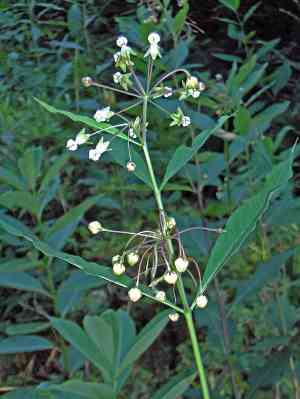
The ideal period for relocating poke milkweed is mid-spring, providing a combination of mild warmth and sufficient development time. Select a shaded spot with damp, adequately draining earth for the best outcome. Careful handling throughout this procedure fosters vigorous establishment.
What Preparations are Needed Before Transplanting Poke Milkweed?
What is the Ideal Time for Transplanting Poke Milkweed?
The perfect time for moving poke milkweed is during the transition from mid to late spring. This period, which welcomes renewed growth, provides poke milkweed with an extended growing season, allowing its roots to establish well before summer's heat. Transplanting poke milkweed then not only aligns with nature's cycle but also prepares it for strong development, with spring's gentle warmth encouraging optimal root growth. A beneficial aspect of this season is the mild weather, which assists in poke milkweed's smooth adjustment to its new environment.
How Much Space Should You Leave Between Poke Milkweed Plants?
For a thriving poke milkweed garden, allow 2-3 feet (60-90 cm) of space between each plant when transplanting. This provides ample room for their growth and healthy root development.
What is the Best Soil Mix for Poke Milkweed Transplanting?
For poke milkweed, it's best to use well-drained, average soil. A layer of slow-release granular fertilizer would be very beneficial – it will provide nutrients gradually, promoting strong growth without harming the roots.
Where Should You Relocate Your Poke Milkweed?
Sun-loving poke milkweed thrives best in locations that receive full sun to partial shade, meaning it should get approximately 6-8 hours of sunlight daily. Placing it in such a spot ensures it receives enough light to flourish.
What Equipments Should You Prepare Before Transplantation Poke Milkweed?
Gardening Gloves
To safeguard your hands from soil, insects, and any other potential irritants while handling the earth and poke milkweed plant.
Shovel or Garden Spade
To excavate the plant from its initial spot and prepare the new planting hole.
Gardening Fork
To gently loosen the soil around the roots without causing harm, especially if the poke milkweed plant is in the ground.
Pruning Shears
To remove any damaged or diseased parts of the poke milkweed before its relocation.
Watering Can or Hose
To moisten the soil before and after moving the poke milkweed plant.
Wheelbarrow
To safely transport the poke milkweed plant from its original location to the new transplant site.
How Do You Remove Poke Milkweed from the Soil?
How Do You Remove Poke Milkweed from the Soil?
From Ground: First, water the poke milkweed plant to moisten the soil. Use the gardening fork to loosen the soil around the plant, being careful not to harm its roots. Use the shovel or garden spade to dig a wide trench around the plant, ensuring the plant's root ball stays intact. Gently work the spade under the root ball and lift the plant from its original location.From Pot: Initially water the pot thoroughly; this will help in easily removing the root ball. After that, invert the pot and gently tap the rim of the pot on a firm surface. The poke milkweed plant should slide out with the soil and roots intact. If it doesn't slide out, run a knife along the inner edge of the pot to loosen it.From Seedling Tray: Water the tray first and allow it to absorb completely. To carefully remove the poke milkweed seedling, use a small tool like a spoon or popsicle stick to pry it out of the cell, trying not to disturb the roots.
Step-by-Step Guide for Transplanting Poke Milkweed
Preparation
Begin by watering the poke milkweed in its current location. This will simplify the removal process and reduce stress for the plant. Ensure the new planting hole is ready before starting the removal.
Removal
Follow the appropriate method for extracting the plant from the ground, pot, or seedling tray, as described above.
Transplant Hole
The hole's depth should match the poke milkweed plant's root ball and be twice as wide. Place the plant in the hole, ensuring the top of the root ball is level with the ground surface.
Planting
Position the poke milkweed in the hole and backfill with soil. Gently pat the soil around the plant's base.
Watering
Water the transplanted poke milkweed thoroughly. This helps the soil settle around the root ball.
How Do You Care For Poke Milkweed After Transplanting?
Watering
Continue to maintain consistent soil moisture levels for the first few weeks after transplanting; this is crucial for poke milkweed to establish strong roots.
Trimming
Regularly inspect the poke milkweed and remove any yellowed or wilted leaves. This allows the plant to direct its energy towards new growth.
Monitoring
Watch for signs of transplant shock, such as wilting, leaf drop, or discoloration. If the poke milkweed exhibits any of these, it may require more water, shade, or wind protection.
Pest Control
Keep an eye out for pests and address them promptly to ensure your poke milkweed can grow healthily in its new location.
Troubleshooting Common Issues with Poke Milkweed Transplantation.
When is the best time to transplant poke milkweed seedlings?
The ideal time to move poke milkweed plants is during the transition and subsequent phases of the growing seasons, S2-S3. These periods generally align with late spring or early summer.
What spacing is required for poke milkweed transplanting?
A spacing of approximately 2-3 feet (60-90 cm) between each poke milkweed plant is advised. This provides them ample room to grow and thrive without competing for resources.
Should I water poke milkweed right after transplanting?
Absolutely! Watering poke milkweed immediately after transplanting is important to help it settle. However, avoid overwatering as it can lead to root rot.
How deep do I need to plant poke milkweed?
Plant poke milkweed at the same depth it was growing in its nursery pot. This is typically around 6-8 inches (15-20 cm) at a minimum.
What soil type does poke milkweed prefer in its new home?
Poke milkweed plants prefer well-draining soil, rich in organic matter. They can tolerate various soil pH levels, but slightly acidic to neutral is ideal.
What should I do if my poke milkweed looks wilted after transplanting?
Don't worry! Some wilting after transplanting poke milkweed is normal. Ensure it is adequately watered and consider adding a layer of mulch to help retain moisture.
What to do if the leaves of poke milkweed turn yellow after transplanting?
If your poke milkweed's leaves turn yellow post-transplant, it might be due to transplant shock or watering issues. Adjust watering patterns accordingly and consider a root stimulator to lessen shock.
How much sunlight does poke milkweed need after being transplanted?
Poke milkweed plants love full sun, but they can tolerate some shade. Ensure they receive at least six hours of direct sunlight per day for optimal results.
Are there any pests I should watch out for after transplanting poke milkweed?
Yes, poke milkweed can attract aphids and spider mites. Keep an eye out for these pests and consider using a gentle insecticidal soap to deter them.
Can I mulch around my newly transplanted poke milkweed?
Yes, mulching around poke milkweed can help retain soil moisture and reduce weed competition. Avoid piling mulch against the stem to prevent potential rot.



