How to Transplant Wild ginger?
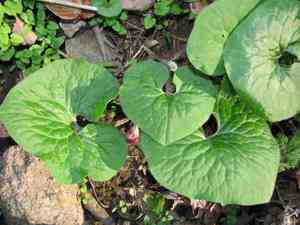
The optimal period for relocating wild ginger is at the onset of spring, typically from early to mid-spring, allowing the root system to become established prior to the summer warmth. Select a location offering ample shade with fertile, damp earth. Careful manipulation of the fragile roots is crucial for a successful transfer.
What Preparations are Needed Before Transplanting Wild Ginger?
What is the Ideal Time for Transplanting Wild Ginger?
Early spring, when nature awakens, is an excellent time for relocating wild ginger. During this period, mild temperatures and damp soil promote strong root development. Moving wild ginger in the gentle spring weather ensures plants establish themselves before summer heat. This timing perfectly aligns with its growth cycle, aiding a smooth transition and vigorous growth. Following this schedule allows wild ginger to settle, promising a lush, vibrant presence in your garden.
How Much Space Should You Leave Between Wild Ginger Plants?
Provide ample room for each wild ginger by spacing them approximately 1-2 feet (30-60 cm) apart. This gives each plant sufficient area to grow, ensuring healthy development.
What is the Best Soil Mix for Wild Ginger Transplanting?
For wild ginger, a well-drained, humus-rich, and slightly acidic soil is ideal. Incorporate a slow-release fertilizer to boost initial growth. This supplies necessary nutrients and prepares the ground for a vibrant display.
Where Should You Relocate Your Wild Ginger?
Wild ginger thrives in shaded environments. Select a spot that receives filtered sunlight or full shade for optimal growth. Excessive direct sun can impede their development, so consider this when choosing your garden location.
What Equipments Should You Prepare Before Transplantation Wild Ginger?
Gardening gloves
To shield your hands from thorns, insects, and soil while handling the wild ginger.
A gardening spade or shovel
To excavate the hole for the wild ginger and to remove the plant from its original spot if it's a ground-to-ground transfer.
A gardening trowel
To loosen the soil around the wild ginger plant when taking it from a pot or seedling tray.
A wheelbarrow or bucket
For moving the wild ginger from its initial location to the new planting site.
A garden hose or watering can
To hydrate the wild ginger before and after the transplant.
Mulch
To help maintain soil moisture around the newly transplanted wild ginger.
A measuring tape
To ensure the excavated hole is of the correct width and depth for the wild ginger plant's root system.
A stake
To support the wild ginger plant as it establishes its roots, especially if the plant is tall.
How Do You Remove Wild Ginger from the Soil?
How Do You Remove Wild Ginger from the Soil?
From Ground: Start by watering the wild ginger plant to moisten the soil. This eases the extraction process and reduces plant stress. Use a gardening spade or shovel to dig a wide trench around the wild ginger's perimeter, ensuring you are far enough from the stem to avoid damaging the root ball. Once the trench is dug, gently slide the spade beneath the root ball and carefully lift the plant from the ground.From Pot: Ensure the soil is damp by thoroughly watering the wild ginger. Turn the pot sideways, place your hand over the top, and gently tap the bottom to loosen the plant. Slide the wild ginger's root ball out, keeping as much soil attached to the roots as possible.Seedling Tray: Water the wild ginger seedlings until the soil is moist. Use a trowel or your fingers to carefully loosen the soil around each seedling. Gently lift the seedling by its leaves, not the stem, ensuring the root ball comes out with the seedling as this is vital for its survival.
Step-by-Step Guide for Transplanting Wild Ginger
Hole Preparation
Dig a hole in your chosen spot that is twice the diameter and 1.5 times the depth of the wild ginger's root ball. Fill the bottom third with compost for added nutrients.
Placement
Position the wild ginger in the center of the hole. Ensure the top of the root ball is level with the soil surface. Backfill around the wild ginger with a mix of garden soil and compost, gently firming the soil as you go.
Watering
After planting the wild ginger, water thoroughly to help the soil settle around the roots. Aim to saturate the entire root zone, but avoid over-watering to the point of waterlogging.
Mulching
Apply a layer of mulch around the base of the wild ginger to help retain moisture and deter weeds. Keep the mulch a few inches away from the stem to prevent rot.
Staking
If necessary, gently secure the wild ginger to a stake to help it stand upright until its roots strengthen. Ensure the stake isn't rubbing or harming the stem.
How Do You Care For Wild Ginger After Transplanting?
Watering
Wild ginger plants may need more frequent watering in the weeks following a transplant to ensure roots stay hydrated and can establish in their new location. Be aware that excessive watering can lead to root rot or other diseases.
Inspecting
Regularly check the wild ginger for any signs of transplant stress such as yellowing leaves, wilted stems, or reduced growth. If these symptoms appear, it might need more water, less sun, or a stake for support.
Mulching
Mulch should be replenished as it breaks down to continue improving soil moisture retention and weed suppression. Be sure not to pile it against the stem of the wild ginger, which can cause rot.
Pruning
Trim back any dead or dying leaves to help the wild ginger direct its energy towards new growth.
Troubleshooting Common Issues with Wild Ginger Transplantation.
Whatâs the best time of year to transplant the wild ginger?
The optimal time for relocating wild ginger is during S1-S2. The plant tends to adapt better during this period.
How much space is ideal when transplanting wild ginger?
Wild ginger appreciates its personal space! Aim for a gap of about 1-2 feet (30.5-61 cm) between each plant to ensure healthy growth.
Why is my wild ginger wilting after being transplanted?
This could be transplant shock. Keep the soil moist and provide shade for a few days. Wild ginger is resilient and will likely recover.
Should I fertilize the wild ginger immediately after transplanting?
Delay fertilization for a couple of weeks after transplanting. Wild ginger needs time to adjust to its new environment before feeding.
How deeply should I plant wild ginger while transplanting?
Plant wild ginger so that the top of the root ball is level with the soil surface. This prevents the possibility of rot.
Is it necessary to amend the soil when transplanting wild ginger?
Yes, it's beneficial. Organic matter or compost mixed into the existing soil provides essential nutrients for wild ginger's growth.
How can I ensure the transplanted wild ginger doesn't dry out?
Mulch around wild ginger to maintain soil moisture. However, avoid piling mulch against the stems as it can promote rot.
What should I do if my transplanted wild ginger isn't blooming?
Be patient! Wild ginger may not bloom immediately after being transplanted because it's using energy to establish roots. Give it some time.
Why are the roots of my wild ginger turning brown?
This could be due to overwatering. Wild ginger's roots need air as much as water. Allow the soil to dry slightly between waterings to prevent root rot.
Can I transplant my wild ginger that I've had for several years?
Absolutely! Just ensure that you do it during S1-S2, and be extra careful not to damage the root ball during the process.



