How to Transplant Hairy arundinella?
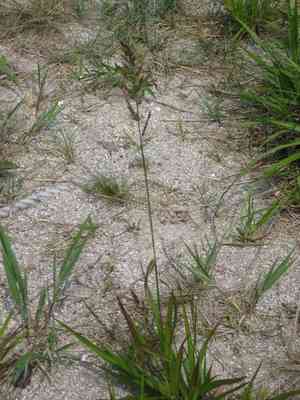
The most favorable period for relocating hairy arundinella is from the onset of spring's warmth through early summer, as this timeframe facilitates robust root development. Select a site that provides abundant light and soil with good drainage. When manipulating hairy arundinella, carefully safeguard the root system to promote effective integration.
What Preparations are Needed Before Transplanting Hairy Arundinella?
What is the Ideal Time for Transplanting Hairy Arundinella?
The optimal period for relocating hairy arundinella is when spring's freshness transitions into early summer's warmth. This timeframe provides a perfect balance of mild temperatures and extended daylight, fostering an ideal environment for hairy arundinella to develop robust root systems. Transplanting during this season allows the plant to settle before summer's full intensity, benefiting from both late spring rains and the onset of growth-promoting summer weather. Gentle conditions minimize transplant shock, giving hairy arundinella a smooth start for vigorous growth.
How Much Space Should You Leave Between Hairy Arundinella Plants?
To ensure your hairy arundinella thrives, aim for a spacing of 15-18 inches (38-46 cm) between each plant. This provides ample room for development and promotes good air circulation.
What is the Best Soil Mix for Hairy Arundinella Transplanting?
For your hairy arundinella, prepare a well-draining soil that is rich in organic material. Incorporate a balanced, slow-release fertilizer to aid your plants in achieving a strong beginning. A pH level between 5.5 and 7.5 is generally suitable for most hairy arundinella.
Where Should You Relocate Your Hairy Arundinella?
Select a sunny location for your hairy arundinella, as they flourish in abundant light. Ideally, choose a spot where they can receive at least 6 hours of sunlight daily. In particularly hot climates, some afternoon shade can help them remain vigorous.
What Equipments Should You Prepare Before Transplantation Hairy Arundinella?
Gardening Gloves
To safeguard your hands while handling soil and plants.
Shovel or Spade
For excavating holes and trenches.
Watering Can or Hose
To hydrate the plant post-transplantation.
Measuring Tape
To ensure correct spacing among plants.
Garden Trowel
For managing smaller plants or detailed tasks.
Pruning Shears
To remove any dead or excessive plant parts.
Wheelbarrow or Garden Cart
For moving the plant and soil.
Root Pruner or Saw
For severing larger roots, if required.
How Do You Remove Hairy Arundinella from the Soil?
How Do You Remove Hairy Arundinella from the Soil?
From Ground: First, moisten the hairy arundinella plant's soil with water. Next, dig a wide trench around the plant using a shovel or spade, ensuring the plant's root ball stays intact. Carefully maneuver the spade beneath the root ball to lift the plant from its original spot.From Pot: Water the hairy arundinella thoroughly beforehand. Turn the pot on its side, grasp the plant by its base, and tap the pot's bottom to loosen it. Gently extract the plant while supporting the root ball.From Seedling Tray: Water the tray to moisten the soil, facilitating removal. Use a garden trowel to carefully lift each hairy arundinella seedling by pushing it up from the cell's bottom, taking care not to harm the delicate roots.
Step-by-Step Guide for Transplanting Hairy Arundinella
Select Right Time
Choose an overcast day or evening to minimize transplant shock from heat.
Prepare the Hole
Dig a hole twice the width of the root ball and as deep as its height. Gently loosen the surrounding soil.
Prune if Needed
Trim any damaged or overly long roots with pruning shears or a root pruner to encourage new growth.
Place in the Hole
Carefully position the hairy arundinella in the hole's center, ensuring it sits at its previous growing depth.
Backfill the Hole
Gently refill the hole with soil, packing it around the roots. Avoid overly compacting the soil.
Water Deeply
Thoroughly water the hairy arundinella immediately after transplanting to settle the soil and remove air pockets.
Support if Necessary
Stake the plant if it is tall and susceptible to wind damage. Secure the plant to the stake loosely with soft plant ties.
How Do You Care For Hairy Arundinella After Transplanting?
Initial Watering
Provide ample water to the hairy arundinella during the first few days to help alleviate transplant shock and settle the soil.
Mulching
Apply a layer of mulch around the base to maintain moisture levels and reduce weed competition.
Observation
Monitor the hairy arundinella for signs of stress, such as wilting or discolored leaves, and adjust care accordingly.
Staking
Check and adjust stakes and ties to ensure they are not too tight and damaging the hairy arundinella.
Pruning
Snip off any dead or damaged foliage to redirect energy to healthy growth.
Troubleshooting Common Issues with Hairy Arundinella Transplantation.
What's the ideal time to transplant hairy arundinella?
The best period to move hairy arundinella is from late spring to early summer, ensuring optimal growth.
How far apart should I space hairy arundinella during transplant?
Aim for spacing hairy arundinella approximately 15-18 inches (38-45 cm) apart to allow sufficient room for expansion.
How deep should the transplant hole be for hairy arundinella?
Excavate a hole that matches the root ball's size, ensuring hairy arundinella's roots have adequate space.
Why are my transplanted hairy arundinella wilting?
Wilting post-transplant often indicates shock. Keep the soil consistently moist and avoid direct sunlight for a few days.
How much water does hairy arundinella need after transplanting?
Provide hairy arundinella with gentle, consistent watering to keep the soil moist but not waterlogged.
Should I trim hairy arundinella when transplanting?
Trimming is not necessary unless there is damage. Focus on healthy root establishment after transplant.
What kind of soil is best for transplanting hairy arundinella?
Utilize well-draining soil rich in organic matter to give hairy arundinella the best start post-transplant.
Can I fertilize hairy arundinella right after transplanting?
Wait a few weeks before fertilizing to avoid overwhelming hairy arundinella. Allow it to establish itself first.
How do I know if hairy arundinella is rooted well after transplanting?
Stable growth and new foliage indicate good root establishment for hairy arundinella.
Why is hairy arundinella not growing after transplant?
Stagnant growth can be due to transplant shock, improper watering, or unsuitable soil conditions. Assess and adjust care.



