How to Transplant Goat's beard?
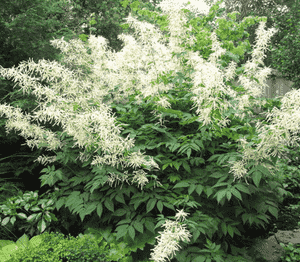
The ideal period for relocating goat's beard is throughout the pleasant duration of late spring or early summer, since the moderate warmth aids its flourishing. To ensure a successful outcome, cultivate goat's beard in adequately drained, damp earth, in areas with partial shade. If required, carefully disentangle the root mass for an effortless transfer.
Essential Preparations Before Relocating Goat's Beard?
When is the Best Time to Move Goat's Beard?
Ideally, move goat's beard during the pleasant weather of late spring to early summer. This timing allows goat's beard roots ample opportunity to settle in before colder months. The favorable climate enhances the plant's ability to adapt, increasing the likelihood of a successful transfer.
What is the Recommended Spacing Between Goat's Beard Plants?
To provide your goat's beard sufficient room for development, position them approximately 24-36 inches (60-90 cm) apart. This spacing ensures they have adequate area to expand their root systems and thrive.
Which Soil Mixture is Optimal for Transplanting Goat's Beard?
For goat's beard, prepare soil that drains effectively and contains abundant organic material, such as compost. A foundational fertilizer of a balanced slow-release granular type, like a 10-10-10, can supply crucial nutrients.
Where Should You Replant Your Goat's Beard?
Locate a garden spot that receives partial to full shade, as goat's beard prefers cooler conditions and does not tolerate excessive direct sunlight. A touch of filtered light or light shade is perfect!
What Tools Are Necessary Before Moving Goat's Beard?
Gardening Gloves
To safeguard your hands while handling soil and the plant.
Shovel or Spade
For extracting the goat's beard plant from its original spot and digging the new planting hole.
Trowel
For more precise excavation, especially when transferring from a container or seedling tray.
Watering Can or Hose
To hydrate the goat's beard plant both before and after its relocation.
Pruner or Garden Scissors
To trim any dead or damaged sections of the goat's beard plant prior to planting.
Organic Compost
To supply the goat's beard with extra nutrients and enhance soil structure.
How to Extract Goat's Beard from the Ground?
How to Extract Goat's Beard from the Ground?
From Ground: First, moisten the soil around the goat's beard plant. Next, dig a wide trench around the plant using a shovel or spade, ensuring the plant's root ball remains intact. Carefully work the spade beneath the root ball to lift the plant from its initial position.From Pot: Hydrate the goat's beard plant to dampen the soil. Invert the pot onto its side and gently tap it, helping the plant slide out with its root ball undisturbed. If the plant resists, use a trowel to loosen the soil along the pot's edges, then attempt again.From Seedling Tray: Water the goat's beard seedlings to moisten the soil. Using a trowel, carefully work around the edges of each seedling cell to loosen the soil. Then, gently lift the seedlings and their root balls from the tray.
Step-by-Step Guide for Relocating Goat's Beard
Location Selection
Choose a site with adequate sunlight and room for your goat's beard plant to reach its mature size.
Digging the Hole
Prepare a hole that is twice the width and depth of the goat's beard plant's root ball. Loosen the soil at the bottom and sides of the hole to promote better root development.
Enriching the Soil
Incorporate a generous amount of organic compost into the soil removed from the hole. This provides additional nutrients and improves soil structure.
Positioning the Plant
Gently place the goat's beard plant into the hole, ensuring the top of the root ball is level with the surrounding soil. Spread the roots out evenly for optimal growth.
Backfilling the Hole
Fill the hole with the enriched soil, pressing gently around the goat's beard plant's roots to eliminate air pockets.
Watering
Water thoroughly, ensuring the soil is well-moistened to help the goat's beard establish robust roots.
How to Care for Goat's Beard After Relocation?
Watering
Keep the soil around the goat's beard consistently damp, but not waterlogged, for the initial few weeks post-transplant to aid in root establishment.
Mulching
Apply a layer of organic mulch around the base of the goat's beard plant, leaving some space near the stem. This helps retain moisture, suppress weeds, and regulate soil temperature.
Pruning
Trim any dead or damaged parts of the goat's beard plant after transplanting to encourage healthy new growth.
Monitoring
Observe for signs of distress, such as wilting or yellowing foliage, and adjust your watering or care routines accordingly.
Addressing Common Issues with Goat's Beard Relocation.
When is the best time to move goat's beard?
The most suitable period for relocating goat's beard is during the latter part of spring or at the beginning of summer.
What is the appropriate spacing when planting goat's beard?
The ideal spacing should be between 24-36 inches (approximately 60-90 centimeters). This ensures proper development and spread.
How should goat's beard roots be handled during relocation?
Handle goat's beard roots with care to minimize damage. Endeavor to keep as much soil around the roots as possible throughout the process.
How much sunlight does goat's beard require after being planted?
Goat's beard thrives in partial to full shade, so it's beneficial to select a location where it can be shielded from afternoon sun.
How can I ensure the newly relocated goat's beard is adequately watered?
Water the transplanted goat's beard regularly but avoid overwatering. If the top layer of soil appears dry, it's time to irrigate.
What type of soil is best for successful relocation of goat's beard?
Goat's beard flourishes in well-draining soil that is rich in organic matter. You can amend the existing soil with compost or peat moss for improved results.
How deep should I dig for relocating goat's beard?
Dig a hole twice the width of the root ball and as deep as its height. This helps goat's beard establish roots quickly in its new location.
Should I fertilize goat's beard immediately after relocation?
It's advisable to wait until goat's beard shows signs of new growth before applying any fertilizer. This could stress the plant right after relocation.
What should I do if the leaves of relocated goat's beard begin to yellow?
If the leaves start yellowing, it might indicate overwatering or a nutrient deficiency. Adjust watering and consider soil testing to confirm nutrient availability.
What precautions should I take when relocating goat's beard to ensure plant health?
Ensure minimal disruption to the existing roots, provide sufficient water post-transplant, and protect from extreme temperatures for the initial few weeks.



