How to Transplant Small carpetgrass?
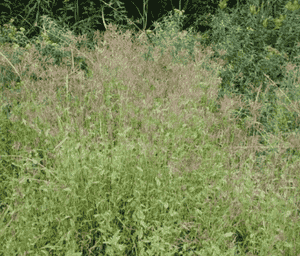
The optimal period for relocating small carpetgrass extends from the vigor of late spring into the mildness of early summer, promoting strong development. Choose a brightly lit spot with soil that drains effectively to support the thriving of small carpetgrass. Bear in mind, a delicate approach is crucial during the transfer process.
What Preparations are Needed Before Transplanting Small Carpetgrass?
What is the Ideal Time for Transplanting Small Carpetgrass?
The optimal period for relocating small carpetgrass is during the increase of warmth in late spring to the start of summer. Moving small carpetgrass at this time is perfect as the mild temperatures and extended daylight provide an excellent growth boost for these plants. Establishing small carpetgrass in their new home now ensures they will develop strong roots, benefiting from the entire growing season to flourish. Your small carpetgrass will thrive in its new spot due to the timely transition!
How Much Space Should You Leave Between Small Carpetgrass Plants?
When moving small carpetgrass, a good spacing to consider is approximately 6-12 inches (15-30 cm) apart. This ensures each plant has sufficient room to grow without competing for nutrients and sunlight.
What is the Best Soil Mix for Small Carpetgrass Transplanting?
Before planting small carpetgrass, enhance your garden with well-draining soil rich in organic material. For a nourishing start, mix a balanced, slow-release fertilizer into the soil. An N-P-K ratio of 10-10-10 or similar often works well for various plants.
Where Should You Relocate Your Small Carpetgrass?
Select a sunny location for your small carpetgrass where it can receive at least 4-6 hours of sunlight daily. Gentle morning light with some afternoon shade can also be perfect, ensuring your small carpetgrass gets the energy it needs without excessive stress.
What Equipments Should You Prepare Before Transplantation Small Carpetgrass?
Gardening Gloves
To safeguard your hands while handling soil and plants.
Garden Trowel
For excavating small holes and carefully moving the small carpetgrass.
Watering Can
To gently hydrate the small carpetgrass before and after relocation.
Spade or Shovel
For efficiently digging up the small carpetgrass without harming its roots.
Pruning Shears
For trimming any dead or excess growth prior to transplanting.
Measuring Tape
To determine proper spacing between transplanted small carpetgrass.
Wheelbarrow or Plant Dolly
For effortlessly transporting the small carpetgrass and soil.
How Do You Remove Small Carpetgrass from the Soil?
How Do You Remove Small Carpetgrass from the Soil?
From Ground: First, irrigate the small carpetgrass to moisten the soil. Use a spade or shovel to dig a wide trench around the plant, ensuring no damage to the root ball. Carefully work the spade beneath the root ball to lift the small carpetgrass from the ground.From Pot: Thoroughly water the small carpetgrass to make the soil damp. Tilt the pot sideways and gently tap the bottom to help loosen the root ball. Use both hands to carefully remove the small carpetgrass from the pot while keeping the soil around the roots intact.From Seedling Tray: Water the tray so that the small carpetgrass slides out easily. Use a garden trowel to gently lift the seedling, ensuring the root ball and surrounding soil come out together.
Step-by-Step Guide for Transplanting Small Carpetgrass
Preparation
Ensure all necessary tools are ready. Choose a cloudy day or late afternoon for transplanting to minimize shock for the small carpetgrass.
Digging Hole
Use a garden trowel to excavate a hole in the ground that is twice the width and the same depth as the root ball of small carpetgrass.
Plant Removal
Follow the appropriate 'removal procedure' to lift the small carpetgrass from its original spot.
Transplanting
Gently place the small carpetgrass into the hole, positioning it at the same level it was previously. Backfill the hole with soil, and lightly press around the base of the small carpetgrass.
Watering After Transplant
Water the small carpetgrass generously after transplanting to settle the soil and remove air pockets. Ensure the water penetrates deeply to reach the roots.
Mulching
Apply a layer of mulch around the base of small carpetgrass to retain moisture and regulate soil temperature.
How Do You Care For Small Carpetgrass After Transplanting?
Regular Watering
Ensure the small carpetgrass receives sufficient water to establish itself in its new location. However, avoid overwatering to prevent root rot.
Monitoring
Observe the small carpetgrass for any indications of transplant shock, such as wilting or discolored leaves, and intervene if necessary.
Support Structures
If the small carpetgrass shows signs of instability, use appropriate stakes or supports to help it remain upright as it grows.
Pruning
Trim any damaged or unhealthy-looking parts of small carpetgrass to encourage better growth and shape.
Troubleshooting Common Issues with Small Carpetgrass Transplantation.
What's the ideal time to transplant small carpetgrass?
The best time is during the mild period of late spring to early summer, ensuring a smooth transition for small carpetgrass.
How far apart should I space small carpetgrass when transplanting?
Space them 6-12 inches (15-30 cm) apart to give each plant ample room to flourish.
Why is my small carpetgrass wilting after transplanting?
Wilting may be due to transplant shock. Ensure proper watering and avoid direct sun for a few days to aid recovery.
How much should I water small carpetgrass after transplanting?
Provide consistent moisture but do not overwater. Aim for moist, not saturated, soil until established.
Should I fertilize small carpetgrass right after transplanting?
Wait 2-4 weeks before fertilizing to allow small carpetgrass to settle and root development to begin.
How do I prepare the soil for transplanting small carpetgrass?
Work the soil to a fine texture and enrich it with compost or well-rotted manure for optimal results.
Can I transplant small carpetgrass on a hot day?
Transplanting during cooler parts of the day or on cloudy days is ideal to reduce stress on small carpetgrass.
What should I do if small carpetgrass's leaves turn yellow after transplanting?
Yellow leaves might indicate overwatering or poor drainage. Check moisture levels and adjust watering accordingly.
How deep should I plant small carpetgrass seedlings?
Plant them at the same depth they were in their previous container to prevent stem rot or drying out.
What signs of successful transplant should I look for in small carpetgrass?
New growth, such as green leaves or shoots, is a good indicator small carpetgrass is adapting well to its new location.



