How to Transplant Big sagebrush?
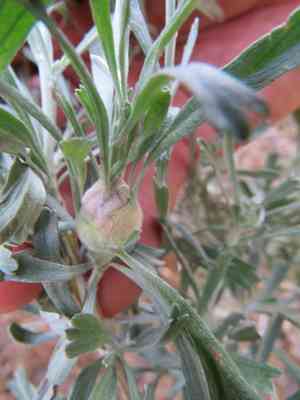
The revitalizing onset of spring offers an ideal period for relocating large sagebrush, as gentle warmth and adequate hydration foster root development. Select locations with good drainage and abundant solar exposure, and, if considered necessary, amend the earth to guarantee a flourishing beginning.
Essential Preparations Before Relocating Big Sagebrush
When is the Best Time to Move Big Sagebrush?
The prime window for moving big sagebrush is during its spring awakening, typically early to mid-spring. This timing promotes root establishment before the summer heat. Transplanting in this season allows big sagebrush to benefit from cooler temperatures and spring rains, encouraging strong root development and minimizing transplant shock, setting the stage for a healthy, flourishing plant. Moving big sagebrush during this period ensures it harnesses the full burst of springtime growth energy for peak vitality.
What is the Recommended Spacing Between Big Sagebrush Plants?
When relocating big sagebrush, ensure each plant is positioned 4-6 feet (1.2-1.8 meters) apart. This provides ample room for their development and prevents competition for resources. While it may seem like a significant distance, big sagebrush truly requires its own space!
What is the Optimal Soil Blend for Transplanting Big Sagebrush?
The correct soil can significantly impact big sagebrush. Well-draining, sandy or rocky soil is ideal. Additionally, incorporate some organic matter or a slow-release fertilizer to supply big sagebrush with essential nutrients from the outset.
Where Should You Replant Your Big Sagebrush?
Big sagebrush thrives in sunny environments! Therefore, ensure you transplant your big sagebrush to an area that receives at least 6-8 hours of direct sunlight daily. Your big sagebrush will appreciate the bright location!
Equipment Needed Before Transplanting Big Sagebrush
Gardening Gloves
To safeguard your hands while handling soil and the plant.
Trowel
For carefully digging around and lifting the big sagebrush plant without causing excessive root damage.
Shovel or Spade
Perfect for excavating the new planting hole and loosening the soil.
Bucket
To hold the big sagebrush plant and keep its roots moist between removal and replanting.
Garden Pruner
To trim any damaged roots or foliage before and after the transplant.
Mulch
To offer protection to the newly planted big sagebrush and conserve moisture.
Watering Can or Hose
To hydrate the plant following transplantation.
How to Extract Big Sagebrush from the Ground
How to Extract Big Sagebrush from the Soil?
From Ground: Begin by thoroughly moistening the big sagebrush plant to dampen the soil. Using your shovel or trowel, dig a wide circle around the plant, taking care to keep the plant's root ball intact. Once the circle is sufficiently deep, work your tool beneath the root ball to gently lift the plant from its original spot.From Pot: First, water the big sagebrush plant generously. Then, place your hand over the top of the pot with the big sagebrush plant stem between your fingers, and invert the pot. Tap the pot's rim against a firm surface to loosen the soil, and the plant should slide out easily.Seedling Tray: Ensure the big sagebrush plant is adequately watered. Carefully separate a single seedling and its surrounding soil from the tray by pushing it up from the bottom. Use a spoon to scoop up the seedling.
Detailed Steps for Transplanting Big Sagebrush
Digging
Excavate a hole twice as wide and as deep as the big sagebrush's root ball. The top of the root ball should be level with the ground surface to prevent planting the big sagebrush too deeply.
Placing
Position the big sagebrush into the hole. Begin backfilling by carefully returning the soil into the hole, around the roots of the big sagebrush.
Pruning
Utilize the garden pruner to remove any damaged leaves or stems. Trimming reduces stress on the big sagebrush as it endeavors to regrow its roots.
Watering
After planting the big sagebrush, water thoroughly but be careful not to oversaturate the soil. This helps settle the soil around the roots and provides the plant a strong start in its new location.
Mulching
Apply a layer of mulch around the base of the big sagebrush; this aids in moisture retention and inhibits weed growth.
Post-Transplant Care for Big Sagebrush
Watering Consistency
Water the big sagebrush regularly during the initial weeks, keeping the soil consistently moist, but not waterlogged. This is crucial for the plant's successful establishment.
Inspection
Periodically examine the big sagebrush for any indications of pest infestation or disease. Early detection facilitates easier and more effective treatment.
Pruning
If any of the big sagebrush's leaves or branches perish after transplanting, trim them off. This allows the plant to direct its energy towards new growth.
Patience
Remember, it may take some time for the big sagebrush to exhibit new growth after being relocated. Patience is essential!
Addressing Common Issues During Big Sagebrush Transplantation
What is the optimal season for transplanting big sagebrush?
The best time to transplant big sagebrush is during S1-S3. This offers the plant ideal conditions for root development and establishment.
How much space should I allow between big sagebrush plants when transplanting?
The recommended spacing for big sagebrush during transplantation is 4-6 feet (1.2-1.8 meters). This promotes proper growth and minimizes competition for resources.
What action should I take if the big sagebrush shows signs of wilting after transplanting?
Wilting can be a symptom of transplant shock. Water the big sagebrush thoroughly without overwatering. Maintain consistent watering until the plant recovers.
How do I prepare the soil before transplanting big sagebrush?
Prepare a hole twice the size of the root ball. Incorporate compost into the excavated soil for added nutrients, then backfill around the big sagebrush.
Is it necessary to prune big sagebrush during transplantation?
Yes, a light pruning of big sagebrush during transplantation is beneficial. This helps the plant focus energy on root development and reduces transplant shock.
Why are the leaves of my transplanted big sagebrush turning yellow?
Yellowing leaves can indicate a nutrient deficiency or excessive watering. Ensure your big sagebrush receives balanced fertilization and be mindful of watering practices.
What type of soil is most suitable for transplanting big sagebrush?
Big sagebrush thrives in well-drained soil. Confirm that the planting location does not retain water to prevent potential root rot.
What should I do if my transplanted big sagebrush isn't showing new growth?
Be patient. The big sagebrush may be prioritizing energy towards root establishment rather than above-ground growth. Ensure the plant's requirements are being met.
How should I water big sagebrush after transplanting?
Water big sagebrush thoroughly immediately after transplanting, then water regularly. It's important to keep the soil slightly moist, especially during the initial weeks.
Can I transplant big sagebrush into a pot?
Yes, you can. Ensure the pot is adequately sized and has good drainage. The same transplanting principles apply: provide appropriate soil, spacing, and care.



