How to Transplant Hoary mugwort?
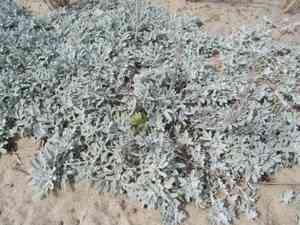
For hoary mugwort, the ideal period for relocation is the revitalizing phase of mid to late spring. This timeframe facilitates root development prior to the intense heat of summer. Select a bright spot with adequately draining earth for peak development. Careful handling is crucial to reduce shock.
What Preparations are Needed Before Transplanting Hoary Mugwort?
What is the Ideal Time for Transplanting Hoary Mugwort?
The optimal period to move hoary mugwort is from early spring's onset to the gentle close of late spring. This timeframe provides a good mix of mild temperatures and sufficient development time before summer's peak. Relocating hoary mugwort then promotes robust root growth and adaptation, provided the soil has adequately warmed. An early start allows your hoary mugwort the entire growing season to establish, ensuring a strong display of its distinct foliage and texture in your garden.
How Much Space Should You Leave Between Hoary Mugwort Plants?
To allow your hoary mugwort ample room to thrive, aim for a spacing of approximately 12 inches to 3 feet (30 cm to 91 cm) between plants. This ensures sufficient space for growth and air circulation, fostering a healthy, happy plant.
What is the Best Soil Mix for Hoary Mugwort Transplanting?
Your hoary mugwort will flourish in well-drained soil with some initial preparation. Incorporate compost or a balanced, slow-release fertilizer into the soil to give your plants an excellent start. Target a pH level that is neutral to slightly acidic.
Where Should You Relocate Your Hoary Mugwort?
Select a garden location for your hoary mugwort that receives full to partial sunlight. This means at least 6 hours of direct sun daily. A sunny spot will help your hoary mugwort grow vigorously and produce abundant, beautiful foliage.
What Equipments Should You Prepare Before Transplantation Hoary Mugwort?
Gardening Gloves
To safeguard your hands while handling soil and plants.
Spade or Shovel
For excavating the plant and creating a new planting hole.
Hand Trowel
For more precise tasks or when moving a smaller specimen.
Watering Can or Hose
To hydrate the plant before and after its relocation.
Garden Fork
To loosen the soil around the root ball when extracting the hoary mugwort plant.
Pruning Shears
To trim any damaged roots or foliage as needed.
Wheelbarrow or Plant Dolly
To assist in moving the hoary mugwort plant if it is large or heavy.
Mulch
To help retain moisture and suppress weeds around the new planting site.
How Do You Remove Hoary Mugwort from the Soil?
How Do You Remove Hoary Mugwort from the Soil?
From Ground: First, moisten the hoary mugwort plant to dampen the soil. Next, dig a wide trench around the plant using a spade or shovel, ensuring the plant's root ball remains intact. Carefully work the spade beneath the root ball to lift the plant from the ground.From Pot: Water the soil in the pot to facilitate easier removal of the hoary mugwort plant. Turn the pot on its side and gently tap the bottom and sides to loosen the plant. If necessary, use a hand trowel around the inner edge to help release the plant.From Seedling Tray: Dampen the soil in the tray to prevent stress to the young roots. Use a hand trowel or a planting dibble to carefully lift the hoary mugwort seedling by the base of its stem, ensuring as much of the root system as possible remains intact.
Step-by-Step Guide for Transplanting Hoary Mugwort
Preparation
Prepare the new planting location by digging a hole twice the width of the root ball and equal in depth. Amend the soil if necessary, based on previous advice.
Root Pruning
Examine the hoary mugwort's roots and use pruning shears to remove any broken, dead, or excessively long roots.
Plant Positioning
Place the hoary mugwort plant in the center of the new hole so it sits at the same level it was growing previously.
Backfilling
Gently refill the hole with soil around the hoary mugwort plant's root ball. Firm the soil around the base to eliminate air pockets without over-compacting it.
Watering
After planting, thoroughly water the hoary mugwort to settle the soil and provide essential moisture for the roots.
Mulching
Apply a layer of mulch around the base of the hoary mugwort, being careful to keep it from touching the stem, which can prevent rot and disease.
How Do You Care For Hoary Mugwort After Transplanting?
Initial Watering
Water the hoary mugwort plant generously immediately after transplanting, then continue to provide water every few days unless there is substantial rainfall.
Regular Assessment
Inspect your hoary mugwort plant every few days for signs of transplant shock, such as wilting or discolored leaves, and address any issues promptly.
Pruning
Remove any damaged or dead foliage to help redirect the hoary mugwort's energy towards establishing new roots.
Mulch Management
Maintain the mulch layer to retain moisture, stabilize temperature, and suppress weeds, ensuring it does not touch the stems.
Troubleshooting Common Issues with Hoary Mugwort Transplantation.
When is the best time to transplant hoary mugwort?
Relocate hoary mugwort in late spring, once the soil has warmed. This timing aids root establishment before hot weather.
How much space should be between hoary mugwort transplants?
Allow 12 inches to 3 feet (30cm to 91cm) between plants for healthy development and air circulation.
What soil conditions favor hoary mugwort transplant success?
Opt for well-draining soil. If needed, enrich with organic matter to enhance moisture retention and drainage.
How deep should hoary mugwort be planted during transplanting?
Plant hoary mugwort at the same depth it was in its prior container, to prevent stem rot.
Can I transplant hoary mugwort on a hot, sunny day?
Avoid transplanting in direct sun or high heat. Overcast days or early mornings are ideal to minimize stress on hoary mugwort.
How should I water hoary mugwort after transplanting?
Water thoroughly immediately after transplanting. Afterward, keep the soil consistently moist but not waterlogged as hoary mugwort establishes.
When can I fertilize hoary mugwort post-transplant?
Wait 4-6 weeks before fertilizing to allow hoary mugwort to settle, using a balanced, slow-release fertilizer.
What should I do if the leaves of hoary mugwort wilt after transplanting?
Slight wilting is normal; ensure adequate watering. If persistent, check for root damage or pests.
How to handle root-bound hoary mugwort during transplanting?
Gently untangle the roots to encourage spreading. If severely bound, make shallow vertical cuts on the root ball.
What is the maximum size for hoary mugwort transplantation?
Smaller plants are easier to transplant, but hoary mugwort can be moved at any size with careful protection of the root system.



