How to Transplant Chinese mugwort?
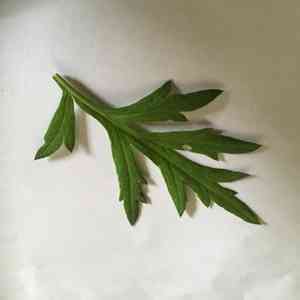
To ensure successful growth, relocate chinese mugwort from the initial spring thaw to the mild temperatures of late autumn. Select a location that offers good drainage and abundant sunlight. Carefully managing the root structure will improve its adaptation.
What Preparations are Needed Before Transplanting Chinese Mugwort?
What is the Ideal Time for Transplanting Chinese Mugwort?
The perfect period for moving chinese mugwort spans from early spring's arrival to the beginning of summer. Shifting chinese mugwort during this timeframe leverages their strong growth phase, utilizing the season's mild temperatures and increasing daylight to aid root establishment. This strategic timing sets the stage for a flourishing growth season, ultimately resulting in a lush and robust plant.
How Much Space Should You Leave Between Chinese Mugwort Plants?
Hello there gardener! You'll want to give your chinese mugworts ample room to thrive. Aim to position them approximately 18-24 inches (45-60 cm) apart. This provides each plant sufficient area to develop robustly and healthily without overcrowding.
What is the Best Soil Mix for Chinese Mugwort Transplanting?
For chinese mugwort to flourish, blend some organic material such as compost into well-draining soil prior to planting. Initiating with a balanced, slow-release fertilizer will also provide your chinese mugwort a wonderful growth boost. Simply adhere to the label's instructions for the correct quantity.
Where Should You Relocate Your Chinese Mugwort?
When selecting a site for your chinese mugwort, choose an area that receives full to partial sunlight. A spot that enjoys bright light for at least 6 hours daily is optimal, allowing your chinese mugwort to absorb the sun's rays and grow contentedly in its new location.
What Equipments Should You Prepare Before Transplantation Chinese Mugwort?
Gardening Gloves
To safeguard your hands while handling soil and plants.
Trowel or Spade
For carefully excavating the plant without harming its root ball.
Gardening Fork
To loosen the earth around the root system for easier removal.
Watering Can or Hose
To hydrate the plant before extraction and to keep the soil moist post-transplant.
Pruning Shears
To trim any dead or damaged roots or leaves prior to transplanting.
Wheelbarrow or Garden Cart
To move the plant from its original spot to the new location without causing damage.
Mulch
To retain soil moisture and suppress weeds around the chinese mugwort after transplant.
How Do You Remove Chinese Mugwort from the Soil?
How Do You Remove Chinese Mugwort from the Soil?
From Ground: First, irrigate the chinese mugwort plant to moisten the soil, making it simpler to manage. Use a gardening fork to loosen the soil surrounding the roots, then gently lift the plant with a trowel or spade, preserving its root ball.From Pot: Water the chinese mugwort thoroughly. Invert the pot sideways, tap the base, and carefully slide the plant out while supporting the root ball. If the plant is stuck, you might need to cut the pot.From Seedling Tray: Water the seedlings to ensure roots are damp and flexible. Use a spoon or small trowel to scoop out each seedling, being careful to include roots and surrounding soil.
Step-by-Step Guide for Transplanting Chinese Mugwort
Digging
Excavate a hole in the ground that is twice the width of the chinese mugwort plant's root ball and of equal depth to ensure ample space for root expansion.
Placing the Plant
Position the chinese mugwort in the middle of the hole, ensuring it sits at the same level it previously grew. Straighten the plant so it stands upright.
Refilling the Hole
Carefully backfill the hole with the removed soil, gently pressing down to eliminate air pockets. Do not bury the plant deeper than its original planting depth.
Watering
Thoroughly water the chinese mugwort to settle the soil around its roots and help alleviate transplant shock.
Mulching
Apply a layer of mulch around the base of the chinese mugwort, being careful not to pile it against the stem. This aids in moisture retention and soil temperature regulation.
How Do You Care For Chinese Mugwort After Transplanting?
Initial Watering
Gently water the chinese mugwort to ensure the soil is moist, aiding root recovery and reducing stress from the relocation.
Observation
Regularly inspect the chinese mugwort for indications of stress, such as wilting or discolored leaves, and address these signs promptly with appropriate care.
Maintenance Pruning
Trim away any dead or damaged foliage to direct the chinese mugwort's energy towards establishing its roots and new growth.
Staking
If the chinese mugwort is tall or in a windy spot, consider supporting the plant with a stake until it is well-established to prevent it from being dislodged.
Patience
Allow the chinese mugwort time to adapt to its new surroundings. Avoid fertilizing immediately after transplanting, as the roots are delicate and can be harmed by direct fertilizer application.
Troubleshooting Common Issues with Chinese Mugwort Transplantation.
What's the best time to transplant chinese mugwort?
The optimal period to move chinese mugwort is from when winter frost recedes to when spring concludes, typically early to late spring.
How far apart should I space chinese mugwort during transplanting?
For prime development, provide chinese mugwort a distance of about 18-24 inches (45-60 cm) between each plant.
Why is my chinese mugwort wilting after transplant?
Wilting might signal shock. Ensure the plant is adequately watered and shielded from intense sun for the initial few days.
How deep should the hole be for transplanting chinese mugwort?
Dig a hole just deep enough to comfortably accommodate the root ball, aligning its top with the ground level.
Should I amend the soil when transplanting chinese mugwort?
Yes, incorporate compost into the planting hole to improve soil fertility and drainage.
How much water does chinese mugwort need after transplanting?
Water it thoroughly post-transplant and then regularly to keep the soil damp but not waterlogged.
When will chinese mugwort recover from transplant shock?
Recovery varies, but generally, chinese mugwort should begin to revive after one to one and a half weeks with proper care.
What sunlight conditions are ideal for chinese mugwort post-transplant?
Position chinese mugwort in a location with abundant sunlight. It thrives in full sun to partial shade.
How do I know if my chinese mugwort is planted too deep?
If buried excessively, the stem might darken or appear submerged. The top of the root ball should be at soil level.
What kind of mulch should I use for chinese mugwort after transplanting?
A layer of organic mulch like straw or bark chips can help maintain soil moisture and control weeds.



