How to Transplant White sagebrush?
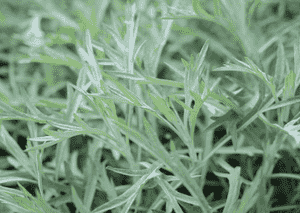
Relocate white sagebrush during the ideal period from late spring through early summer, when environmental factors support root development without intense warmth. Select a bright location featuring soil that drains effectively. Gradually introduce white sagebrush to external environments to minimize the stress of transplantation.
Essential Preparations Before Relocating White Sagebrush
Optimal Period for White Sagebrush Relocation?
The ideal period for moving white sagebrush spans from late spring through mid-summer. This timeframe, characterized by mild temperatures and moderate sunlight, promotes root development, ensuring a successful start.
Recommended Spacing Between White Sagebrush Plants?
When relocating your white sagebrush, ensure a gap of approximately 2-3 feet (60-90 cm) between each specimen. This provides ample room for individual growth without mutual interference, fostering better development!
Preferred Soil Mixture for White Sagebrush Transplantation?
For your white sagebrush, well-draining soil is the prime choice! Consider incorporating a balanced, slow-release fertilizer into the soil before transplanting. This enriches the ground with nutrients, boosting your plant's growth journey!
Optimal Location for Your White Sagebrush?
Select a site for your white sagebrush that receives abundant sunlight, but avoids excessively hot conditions. These plants enjoy sunbathing, yet also flourish in partial shade, offering you a versatile and adaptable specimen!
Necessary Equipment for White Sagebrush Transplantation
Gardening Gloves
To safeguard your hands from scratches or injury while handling the plant and gardening implements.
Shovel
To excavate the plant from its original spot without causing damage.
Spade
For precise digging, especially for smaller or more delicate plants.
Transplanting Trowel
To assist in relocating seedlings and smaller plants.
Garden Fork
To loosen and aerate the soil at the new site.
Watering Can
To hydrate the plant during and after the relocation process.
Mulch
To cover the transplanted plant, aiding in moisture retention and weed suppression.
Garden Pruner
To trim any dead or damaged parts of the plant before and after transplantation.
Method for Extracting White Sagebrush from the Soil
Method for Extracting White Sagebrush from the Soil?
From Ground: Start by moistening the white sagebrush plant to soften the soil, which will facilitate its removal. Then, using a shovel, dig a wide circle around the plant, aiming to include as much of the root ball as possible. Use your garden fork to loosen the soil beneath the plant sufficiently to carefully lift it from its initial position.From Pot: Hydrate the plant until water drains from the bottom holes. Invert the container while gently supporting the plant at its base. Tap the pot's bottom or sides until the plant, along with its soil and roots, slides out intact.From Seedling Tray: Dampen the soil in the seedling tray by misting it with water; this helps the plant slide out more easily. Using a transplanting trowel, carefully scoop out the seedling white sagebrush plant, taking care not to harm its delicate roots.
Step-by-Step Guide for Relocating White Sagebrush
Preparation
Begin by preparing the new site. Loosen the soil with a garden fork and remove any weeds or rocks. The excavation should be twice as wide and as deep as the plant's root ball.
Planting
Position white sagebrush in the hole. Ensure the top of the root ball is slightly below the surrounding soil level to prevent root rot and secure the plant firmly.
Backfilling
Gently refill the hole, lightly compacting the soil around the plant to eliminate air pockets. Avoid burying the plant too deeply, as this could lead to stem rot.
Watering
Water the plant immediately after planting to help settle the soil around the roots and minimize shock.
Mulching
Apply a layer of mulch around the plant, keeping it away from the stem, to maintain soil moisture and inhibit weed growth.
Post-Transplantation Care for White Sagebrush
Watering
Following transplantation, white sagebrush will require consistent watering until it is fully established. The soil should remain moist but not waterlogged. Excessive watering can lead to root rot.
Pruning
Remove any dead or damaged foliage to encourage new growth and maintain the plant's appearance.
Monitoring
Observe the plant for any indications of transplant shock, such as wilting, yellowing, or dropped leaves. If these occur, verify that the plant is receiving adequate water and light, and is situated in suitable soil.
Protection
Shield white sagebrush from harsh weather conditions like frost or heavy rain until it becomes fully established.
Resolving Common Issues with White Sagebrush Transplantation
Optimal Period for White Sagebrush Relocation?
The best time for transplanting white sagebrush is from late summer to early fall, corresponding to zone S3-S5.
Correct Spacing for White Sagebrush During Planting?
Provide white sagebrush with ample room when transplanting, ideally 2-3 feet (60-90 cm) apart. This promotes better growth and air circulation.
Immediate Watering After White Sagebrush Transplantation?
Yes, water white sagebrush immediately after transplanting to help reduce shock and accelerate root development. However, avoid overwatering.
Required Hole Depth for White Sagebrush Transplantation?
You should dig a hole for white sagebrush that is twice as wide and as deep as the plant's root ball.
Preferred Soil Type for White Sagebrush Transplantation?
White sagebrush thrives in well-drained soil. Amend heavy clay soils with organic matter to improve texture and drainage when transplanting.
Action if Transplanted White Sagebrush Appears Withered or Brown?
If white sagebrush appears withered or brown after transplanting, it may indicate transplant shock. Slightly increase watering and ensure it receives sufficient light.
Timeframe for White Sagebrush to Show New Growth After Transplanting?
White sagebrush typically takes a few weeks to settle and exhibit signs of new growth after transplanting. Be patient and provide consistent care.
Pruning White Sagebrush Before or After Transplanting?
It's generally advisable to prune white sagebrush before transplanting, as this reduces stress and directs the plant's energy towards establishing its root system.
Action if Transplanted White Sagebrush Fails to Grow?
If white sagebrush isn't growing after transplanting, it could be due to poor soil, insufficient light or water, or transplant shock. Adjust conditions as needed.
Can White Sagebrush Be Transplanted During Flowering Season?
Avoid transplanting white sagebrush during its flowering season to prevent stressing the plant. The optimal time is after the blooming period, during late summer to early fall.



