How to Transplant Tarragon?
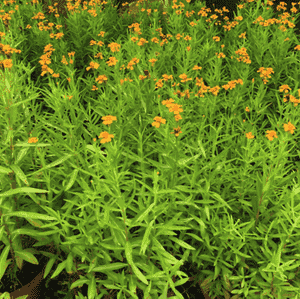
Tarragon flourishes when moved during the invigorating warmth of late spring, after the last frost, preferring bright locations with soil that drains effectively. To guarantee successful rooting, provide sufficient room and consistent hydration following its relocation.
What Preparations are Needed Before Transplanting Tarragon?
What is the Ideal Time for Transplanting Tarragon?
Moving tarragon when late spring's warmth arrives is perfect, as the ground becomes ready for new development. This timely action leverages the season's full strength, allowing tarragon to establish roots firmly and thrive. Doing so takes advantage of the mild temperatures and consistent daylight, promoting strong establishment before summer's intensity. You'll find tarragon recovering from transplant shock more quickly, supported by moderate weather and longer days, setting the stage for a lush, abundant presence in your garden.
How Much Space Should You Leave Between Tarragon Plants?
To ensure tarragon flourishes, provide these plants with ample room. For healthy development, the best spacing should be approximately 1-2 feet (30-60 cm) apart. Remember, adequate spacing improves sunlight exposure and air circulation.
What is the Best Soil Mix for Tarragon Transplanting?
Consider preparing a rich, well-draining soil for tarragon. A foundational fertilizer, such as compost or aged manure, should be mixed in to enhance nutrients. Remember to avoid waterlogged areas as tarragon dislikes excessively wet soil!
Where Should You Relocate Your Tarragon?
Your tarragon prefers to soak up the sun, so find a spot that receives full sunlight or very light shade. Don't worry if your garden is quite sunny; tarragon is a sun-lover and thrives in bright light!
What Equipments Should You Prepare Before Transplantation Tarragon?
Gardening Gloves
Protect your hands while handling soil and the tarragon plant.
Trowel
Essential for digging holes without harming the plant's root system.
Watering Can
To keep the plant hydrated before, during, and after the relocation process.
Spade
Will be used if the plant is in the ground and needs to be dug up.
Pruning Shears
These are used for trimming the plant if necessary, to encourage it to focus energy on root growth.
Wheelbarrow
To move the plant and soil, especially if the plant is large.
How Do You Remove Tarragon from the Soil?
How Do You Remove Tarragon from the Soil?
From Ground: Begin by watering the tarragon to moisten the soil, providing a cushion for the roots and making it easier to excavate the plant. Use a spade to dig a careful trench around the plant, ensuring the root ball remains undisturbed. Gradually work the spade beneath the root ball to lift the plant.From Pot: The tarragon is relatively simple to extract from a container. Water the plant thoroughly, then tilt the pot sideways. Tap the bottom and sides of the pot to loosen the root ball, then gently pull the plant out by its base, avoiding pulling on the stems.From Seedling Tray: Water the tray well, then use a trowel to lift the seedling by digging underneath it. Ensure you retrieve as much of the root system as possible, avoiding touching the stem or roots with your fingers.
Step-by-Step Guide for Transplanting Tarragon
Preparation
Dig a hole in your chosen spot that is twice the width of the tarragon's root ball and the same depth as the root ball's height.
Positioning
Place the tarragon in the center of the hole. Ensure the top of the root ball is level with the surrounding soil to avoid burying the stems.
Backfilling
Refill the hole with soil, gently firming around the base of the tarragon to provide stability but avoid damaging the roots.
Watering
Water the tarragon thoroughly after planting. Ensure the water penetrates deep into the soil to encourage root growth.
How Do You Care For Tarragon After Transplanting?
Pruning
Trim off any dead or damaged leaves after transplanting to encourage new, healthy growth.
Watering
Keep the tarragon well-watered but don't overwater; the soil should be moist, not waterlogged.
Inspection
Regularly check the tarragon for signs of transplant shock, such as wilting, yellowing, or dropped leaves. If any symptoms appear, ensure it's getting enough but not excessive water and sufficient light.
Protection
In the first few weeks, protect tarragon from intense sunlight and winds where possible, to prevent desiccation and to help them establish.
Troubleshooting Common Issues with Tarragon Transplantation.
When is the best time to transplant tarragon?
Consider transplanting tarragon during the S3 season when the conditions are most favorable for its growth.
What is the optimal spacing when transplanting tarragon?
Ensure each tarragon has sufficient room, ideally, separate each plant by about 1-2 feet (30-60 cm) for optimal growth.
What type of soil does tarragon prefer for transplanting?
Tarragon thrives in soil that is well-drained and fertile. Heavy clay or waterlogged soil can lead to root rot.
What's the ideal depth to plant tarragon in?
When transplanting, dig a hole deep enough to cover the roots of tarragon but avoid burying the stems.
Can I transplant tarragon in a pot?
Absolutely! Tarragon grows well in containers. Just ensure there's enough space and good drainage.
What should I do if tarragon wilts after transplanting?
Don't panic! Normal watering should perk it up. Avoid overwatering to ensure the roots get oxygen.
Should I fertilize tarragon right after transplanting?
Wait about 2-3 weeks post transplant. Then, use a balanced fertilizer to encourage healthy growth.
What's the optimal sunlight exposure for tarragon post-transplanting?
Tarragon enjoy full sun to partial shade. Ideal would be an area where it can get 6 to 8 hours of sunlight.
How frequently should I water tarragon after transplanting?
Water tarragon thoroughly after transplanting and then keep the soil moderately moist, notoriously during the first few weeks.
Should I prune tarragon after transplanting?
Hold off on any severe pruning until tarragon has had time to establish in its new location, usually takes 2-3 weeks at least.



