How to Transplant California sagebrush?
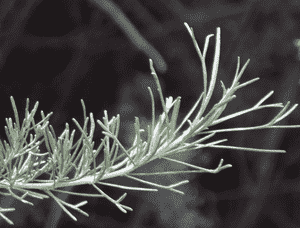
The most favorable period for transplanting california sagebrush occurs in mid-spring, utilizing the temperate conditions for root development. Select locations featuring permeable ground and ample sunlight. During the transfer process, preserve the soil's integrity to prevent root shock.
What Preparations are Needed Before Transplanting California Sagebrush?
What is the Ideal Time for Transplanting California Sagebrush?
The optimal period for relocating california sagebrush is in the heart of spring â specifically, mid to late spring. This timeframe offers california sagebrush a mild yet warm climate perfect for root establishment, allowing the plant to adjust smoothly to its new setting before the full intensity of summer heat. Placing california sagebrush in its new home during this season enables it to benefit from increasing daylight and moderate temperatures; factors vital for encouraging vigorous growth. Approach transplanting with enthusiasm, and trust that this timely effort will result in a flourishing california sagebrush that enhances your garden with its resilient beauty.
How Much Space Should You Leave Between California Sagebrush Plants?
For california sagebrush, plan your transplanting area wisely! Maintain a distance of about 3-4 feet (0.9-1.2 meters) between each plant. This guarantees they have ample room for root expansion and access to essential nutrients. Begin modestly and avoid overcrowding your garden.
What is the Best Soil Mix for California Sagebrush Transplanting?
Prior to transplanting california sagebrush, prepare the soil with a well-draining base, which is ideal for these plants. A combination of sandy and loamy soils will be most effective. A light application of a balanced fertilizer, such as 10-10-10, will encourage healthy development.
Where Should You Relocate Your California Sagebrush?
Consider california sagebrush's light requirements when selecting its spot. It flourishes in full sunlight, so a bright area in your garden is perfect. However, the plant can endure partial shade. Ensure it receives at least 6 hours of sunlight daily.
What Equipments Should You Prepare Before Transplantation California Sagebrush?
Gardening Gloves
To safeguard your hands while handling california sagebrush.
Shovel or Spade
Ideally a garden shovel to excavate the planting hole and can also be utilized to extract the plant from its original spot.
Pruning Shears
Essential for trimming any damaged or superfluous branches of california sagebrush during transplantation.
Garden Hose
For irrigating the plant both prior to and following transplanting.
Trowel
This small hand tool is perfect for digging up california sagebrush from its initial smaller containers like pots or seedling trays.
How Do You Remove California Sagebrush from the Soil?
How Do You Remove California Sagebrush from the Soil?
From Ground: The key here is to minimize disruption to the roots of california sagebrush. Water the plant the day before you intend to transplant. This helps keep the rootball intact. Using your shovel, dig a wide circle around california sagebrush to ensure you include as many roots as possible. Gently lift the plant to extract it.From Pot: Water california sagebrush thoroughly to facilitate removal. Turn the pot on its side, hold the plant carefully and tap the base of its container until the plant slides out. Handle the plant by the root ball to prevent damage to the stem and roots.From Seedling Tray: Moisten the soil with water. Handle each california sagebrush seedling by its leaves if feasible as the stem can be easily harmed. Push up from the bottom of the tray and carefully pull the seedling out, retaining as much root material as possible.
Step-by-Step Guide for Transplanting California Sagebrush
Hole preparation
Excavate a hole that is twice the diameter of the root ball of california sagebrush. The hole should be deep enough to accommodate the plant's root length.
Planting
Carefully position california sagebrush in the hole. Ensure that the top of the root ball is level with the soil surface, adjusting soil beneath as needed.
Soil Backfill
Refill the hole with the original soil, pressing firmly but gently around the base of california sagebrush. This helps to compact the soil and eliminate any air pockets.
Watering
Water the plant immediately after planting using a garden hose; the soil should be moist but not waterlogged.
Mulching
Apply a layer of organic mulch around the planting area to retain moisture and inhibit weed growth. Remember to avoid piling the mulch against the stem of california sagebrush as it may lead to rotting.
How Do You Care For California Sagebrush After Transplanting?
Watering
California sagebrush prefers arid conditions, so ensure you do not overwater. Irrigate thoroughly after transplanting, then regularly but sparingly, allowing the soil to dry out between waterings.
Pruning
Remove any damaged or wilting foliage that may appear after transplanting. This will help california sagebrush to direct its energy towards new growth.
Weather conditions
Shield your newly transplanted california sagebrush from harsh weather such as heavy rainfall, strong winds, or intense sunlight until it has had time to establish.
Monitoring
Regularly inspect california sagebrush for indications of disease or insect pests and address any issues promptly to maintain your plant's health.
Troubleshooting Common Issues with California Sagebrush Transplantation.
What's the best time to transplant california sagebrush?
The ideal period to move california sagebrush is during the mild seasons, typically late spring to early summer.
How far apart should california sagebrush be planted?
California sagebrush should be spaced approximately 3-4 feet (0.9-1.2 meters) apart. This distance ensures they have adequate room to develop.
What types of soil are suitable for california sagebrush?
California sagebrush thrives in well-draining soil. Sandy or loamy soil types, with a neutral pH, are most appropriate.
What to do if my california sagebrush's leaves are wilting after transplantation?
Wilting can signify transplant shock. Water california sagebrush consistently, avoid intense direct sun, and allow it some time to recover.
How to hydrate california sagebrush properly during transplantation?
Before transplantation, moisten the root ball. After transplanting, water thoroughly, ensuring the soil is damp, not saturated.
Can california sagebrush handle transplantation in drier climates?
California sagebrush is drought-tolerant once established but ensure sufficient watering for the initial few weeks post-transplantation in dry climates.
What is the suitable depth to transplant california sagebrush?
Dig a hole as deep as the rootball of california sagebrush and twice as wide. This allows roots to spread easily.
Should the california sagebrush be pruned before transplanting?
It's advisable to trim overly long or damaged roots. Above-ground pruning is not necessary unless removing damaged or diseased foliage.
Can california sagebrush be transplanted in pots?
Absolutely! Make sure to use a pot large enough to provide california sagebrush space to grow, and ensure good drainage.
How soon will california sagebrush begin to grow after transplanting?
With proper care, california sagebrush should start to show new growth within a few weeks. Be patient, nature takes her time.



