How to Transplant Artemisia anomala?
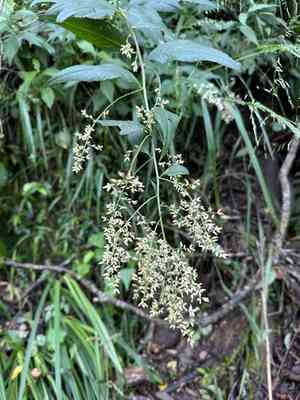
Artemisia anomala, a resilient perennial, prospers when moved during the vibrant period spanning early to mid-spring. This botanical specimen performs optimally in sun-drenched spots featuring soil that drains effectively. Bear in mind that careful manipulation during the re-potting process guarantees a seamless adaptation.
Necessary Preparations Before Relocating Artemisia Anomala?
Optimal Period for Moving Artemisia Anomala?
Artemisia anomala, a perennial, flourishes when moved in early to mid-spring. This timing ensures prime root development before the active growth phase. Relocating artemisia anomala then allows it to benefit from ample moisture and moderate temperatures, promoting robust growth and minimizing transplant stress.
Required Spacing Between Artemisia Anomala Plants?
When relocating artemisia anomala, ensure a separation of 18-24 inches (45-60 cm). This provides ample room for expansion and guarantees proper air circulation, thereby lowering disease risk.
Ideal Soil Mixture for Artemisia Anomala Relocation?
For artemisia anomala, prepare well-draining soil enriched with organic material. Loamy soil is most effective. Incorporate a foundational fertilizer, such as a balanced 10-10-10 (N-P-K) blend, to give the plants a strong start.
Optimal New Location for Your Artemisia Anomala?
Select a site for artemisia anomala that receives full sun to partial shade. Ideally, it should get at least 6 hours of daily sunlight to thrive and maintain its attractive foliage.
Equipment Needed Before Relocating Artemisia Anomala?
Gardening Gloves
To safeguard your hands while handling soil and plants.
Shovel or Spade
For digging around and lifting the plant.
Trowel
Useful for confined areas and excavating planting holes.
Watering Can or Hose
To hydrate the plant before and after its move.
Pruners
For trimming any damaged roots or leaves during the relocation.
Compost or Organic Matter
To enrich the soil at the new site.
How to Extract Artemisia Anomala from its Current Soil?
How to Extract Artemisia Anomala from its Current Soil?
From Ground: First, moisten the soil around the artemisia anomala plant to dampen it and lessen transplant shock. Using a shovel or spade, dig a wide trench around the plant, ensuring the root ball remains intact. Carefully work the shovel beneath the root ball and gently lift the plant from the ground.From Pot: Thoroughly water the artemisia anomala plant to help the soil cohere. Tilt the pot sideways and gently tap its sides to loosen the soil. Support the plant's base as you carefully slide it out, ensuring the root ball stays intact.From Seedling Tray: Lightly water the seedlings to keep the soil moist. Use a trowel or your fingers to gently lift each seedling by its leaves (not the stem), retaining as much soil as possible on the roots.
Step-by-Step Guide for Relocating Artemisia Anomala
Preparation
Ensure the new planting spot is ready. Dig a hole twice the width and the same depth as the root ball of your artemisia anomala plant.
Plant Placement
Position the artemisia anomala plant in the center of the hole, making sure the top of the root ball is level with or slightly above the surrounding soil.
Backfilling
Refill the hole with soil, gently pressing down to remove air pockets. Incorporate compost or organic matter to improve soil quality.
Watering
Thoroughly water the artemisia anomala plant after relocation to settle the soil around the roots and provide initial moisture.
Post-Relocation Care for Artemisia Anomala?
Watering
Maintain consistent soil moisture around the artemisia anomala, avoiding sogginess, for the initial weeks after relocation to encourage strong root development.
Mulching
Apply a layer of mulch around the base of the artemisia anomala to help retain soil moisture and stabilize soil temperature.
Monitoring
Observe the artemisia anomala plant closely for the first few weeks, checking for signs of stress or transplant shock. Adjust watering as needed.
Pruning
If necessary, trim any damaged or dead foliage to help the plant prioritize root establishment in its new location.
Troubleshooting Common Issues with Artemisia Anomala Relocation.
When is the best time to relocate artemisia anomala?
Artemisia anomala should be moved in early to mid-spring for optimal growth and establishment.
How much spacing does artemisia anomala need when relocating?
Ensure to space artemisia anomala 18-24 inches (45-60 cm) apart to allow healthy growth.
What type of soil is best for relocating artemisia anomala?
Artemisia anomala thrives in well-drained, fertile soil with a slightly alkaline to neutral pH.
How deeply should artemisia anomala be planted?
Plant artemisia anomala at the same depth it was growing previously to avoid stress.
How often should I water artemisia anomala after relocating?
Water artemisia anomala immediately after relocating and keep the soil consistently moist but not waterlogged.
Should I fertilize artemisia anomala after relocating?
Apply a balanced fertilizer a few weeks after relocating to support new growth.
Can artemisia anomala tolerate full sunlight?
Artemisia anomala prefers full sun but can tolerate partial shade; ensure it gets at least 6 hours of sunlight.
What should I do if artemisia anomala shows signs of transplant shock?
Reduce watering and provide shade; use a root stimulator to help artemisia anomala recover from transplant shock.
How can I ensure good root establishment for artemisia anomala?
Loosen the soil around the new site; avoid compacting soil over the roots to ensure good establishment.
What temperature should it be when relocating artemisia anomala?
Ideal relocating temperature is between 55-65°F (13-18°C) to avoid stress on artemisia anomala.



