How to Transplant Sweet wormwood?
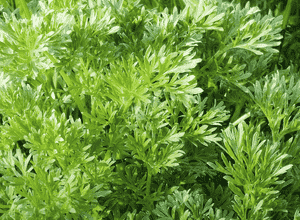
The optimal period for transplanting sweet wormwood is during the developing warmth of late spring through early summer, which guarantees vigorous development. Select a sun-drenched location featuring soil that drains effectively. Should sweet wormwood begin its life indoors, gradually introduce it to outdoor conditions prior to its final placement.
What Preparations are Needed Before Transplanting Sweet Wormwood?
What is the Ideal Time for Transplanting Sweet Wormwood?
The most favorable period for moving sweet wormwood is from late spring to early summer. This timing allows sweet wormwood to establish itself during warmer, stable weather, promoting strong development. Transplanting sweet wormwood within this window takes advantage of longer daylight hours and moderate temperatures, which are vital for sweet wormwood's root establishment and initial growth. Adhering to this timeframe ensures sweet wormwood benefits from the entire upcoming growing season, enhancing its potential to flourish.
How Much Space Should You Leave Between Sweet Wormwood Plants?
Prior to relocating sweet wormwood, carefully measure your planting area and position the seedlings approximately 2-3 feet (60-90 cm) apart. This guarantees each plant has sufficient room to thrive! No need for elaborate tools – a simple ruler and garden marker will suffice.
What is the Best Soil Mix for Sweet Wormwood Transplanting?
For a thriving sweet wormwood, well-draining loamy or sandy soil is perfect. Prepare the ground by mixing in some compost or slow-release granular fertilizer. This enriches the soil and provides the plant with an immediate nutrient boost!
Where Should You Relocate Your Sweet Wormwood?
Sweet wormwood loves sunlight! Select a garden spot that receives at least six hours of direct sun daily. If your garden has partial shade, don't worry – a few hours less sunlight won't harm them. Just monitor their growth and move them if necessary.
What Equipments Should You Prepare Before Transplantation Sweet Wormwood?
Gardening Gloves
To shield your hands from soil and potential scrapes during the relocation process.
Shovel or Spade
Required to excavate a hole for the sweet wormwood plant in your garden.
Garden Trowel
Aids in gently lifting the plant from its previous spot without harming the roots.
Bucket
Perfect for transporting and soaking the sweet wormwood plant before its new placement.
Scissors or Pruners
May be necessary to trim excess or damaged roots before moving the sweet wormwood plant.
Watering Can or Hose
Used to hydrate the plant during and after the relocation procedure.
Mulch
Helps maintain moisture and keep the soil around sweet wormwood cool once it has been replanted.
How Do You Remove Sweet Wormwood from the Soil?
How Do You Remove Sweet Wormwood from the Soil?
From Ground: First, water the sweet wormwood plant to soften the earth. Then, dig a wide circle around the plant with a shovel or spade, being careful not to damage the root ball. Gently slide the spade under the root ball to smoothly lift the plant from its original position.From Pot: Begin by watering the sweet wormwood plant. Tilt the pot sideways, grasp the plant at its base, and carefully pull it out. If it resists, tap the bottom of the pot to loosen the soil and try again.From Seedling Tray: Water the tray first. Push from the bottom of the cell or use a dislodging tool to carefully remove the sweet wormwood seedling. It's vital to avoid pulling the plant by its stem, as this can cause injury.
Step-by-Step Guide for Transplanting Sweet Wormwood
Category Selection
Choose a site for sweet wormwood that provides ample space but avoids conditions of intense heat or extreme cold.
Digging
Excavate a hole with a shovel or spade that is twice the width and equal in depth to the plant's root ball.
Prepare The Plant
If the sweet wormwood plant was previously in a container or the ground, ensure to trim any damaged roots, and immerse the root ball in a bucket of water for a few minutes before transplanting.
Placing the Plant
Position the sweet wormwood plant in the hole, making sure the top of the root ball is level with the soil surface. Backfill the hole with soil without covering the top of the root ball or stem.
Watering
After transplanting, thoroughly water the sweet wormwood plant to settle the soil around its roots.
How Do You Care For Sweet Wormwood After Transplanting?
Monitoring
Regularly inspect the sweet wormwood plant for signs of stress such as wilting or discolored leaves. These symptoms can indicate if the plant is receiving too much or too little water.
Pruning
Remove any dead or dying leaves to help the sweet wormwood plant conserve energy for root and new foliage growth.
Protection
If unseasonably cold weather is forecast, use a fabric cover to shield the recently transplanted sweet wormwood plant. Remove the cover once temperatures rise again.
Weeding
Ensure to remove any weeds around the sweet wormwood plant as they can compete for nutrients and impede its development.
Troubleshooting Common Issues with Sweet Wormwood Transplantation.
When's the best time to transplant sweet wormwood?
The optimal period to move sweet wormwood is during the S3-S4 seasons, typically corresponding to late summer through fall.
What should the spacing be when transplanting sweet wormwood?
To allow for proper development, aim to space each sweet wormwood approximately 2-3 feet (60-90 cm) apart.
How do I prep the soil for transplanting sweet wormwood?
Before relocating sweet wormwood, ensure the soil is well-drained and fertile. If needed, you can add compost or organic matter to enhance soil quality.
How deep should I plant sweet wormwood while transplanting?
Ensure the hole is deep enough to fully accommodate the root ball of sweet wormwood, so that its top is level with the ground.
What should I do if the leaves of my transplanted sweet wormwood start to wilt?
Wilting can be a symptom of transplant shock. Try keeping the soil consistently moist and the plant shaded until new growth appears. Limit fertilizer use until the plant recovers.
How do I water sweet wormwood after transplanting?
After relocating sweet wormwood, it's crucial to water thoroughly and consistently. This aids in soil settling and allows the roots to establish effectively.
Is it okay to transplant sweet wormwood in containers?
Yes, sweet wormwood can be successfully moved into containers. Ensure the container is sufficiently large for root growth and has adequate drainage.
Can I transplant sweet wormwood in intense sun exposure?
While sweet wormwood thrives in sunlight, extreme sun exposure can be detrimental, especially after transplanting. Keep it in partial shade until it acclimates to the new location.
Should I mulch around my newly transplanted sweet wormwood?
Yes, applying a layer of mulch, about 2-3 inches (5-7.6 cm) deep, helps conserve water, suppress weeds, and maintain soil temperature, contributing to a more successful transplant.
What to do if my transplanted sweet wormwood is not showing any growth?
Not all plants exhibit immediate growth after transplanting. Be patient, provide good care, and ensure it has optimal conditions of light, water, and nutrient-rich soil.



