How to Transplant Black chokeberry?
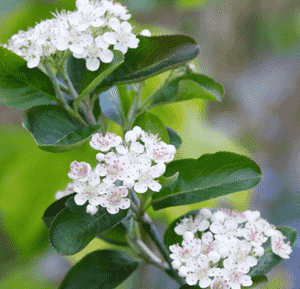
The ideal period for relocating black chokeberry is in early spring, enabling its root system to settle before the summer heat. Choose a location bathed in sunlight with soil that drains effectively. A helpful suggestion: provide sufficient room for black chokeberry's full grown dimensions.
What Preparations are Needed Before Transplanting Black Chokeberry?
What is the Ideal Time for Transplanting Black Chokeberry?
The perfect period for relocating black chokeberry is during the spring awakening. This season allows black chokeberry to establish deep roots before the summer heat. Giving black chokeberry this early start strengthens its resilience, ensuring vigorous growth all year. A friendly reminder: preparing the soil beforehand further smooths the way for black chokeberry's successful transplant journey!
How Much Space Should You Leave Between Black Chokeberry Plants?
When transplanting black chokeberry, provide ample room for development. Ideally, position each plant 4-6 feet (approx. 1.2-1.8 meters) apart. This prevents overcrowding and allows them to thrive completely.
What is the Best Soil Mix for Black Chokeberry Transplanting?
Black chokeberry thrives in well-drained, fertile soil enriched with organic matter. Prepare the ground by incorporating compost or a balanced slow-release fertilizer. This improves soil nutrients and vitality, giving your plants a head start!
Where Should You Relocate Your Black Chokeberry?
Choose a location with full sun to partial shade for black chokeberry. They prefer sunlight but can endure some shade. Ensure the spot receives at least 6 hours of daily sunlight. A sunny beginning for your plant promises a productive future!
What Equipments Should You Prepare Before Transplantation Black Chokeberry?
Small Shovel or Trowel
This tool is crucial for carefully excavating the black chokeberry plant without harming its root system.
Watering Utensil
A gentle flow is best to prevent washing away soil.
Gardening Gloves
To safeguard your hands while handling soil and plant roots.
Wheelbarrow or Large Container
To aid in moving the plant from its original spot to its new location.
Garden Hose or Bucket
To ensure the plant's root ball stays moist throughout the relocation.
How Do You Remove Black Chokeberry from the Soil?
How Do You Remove Black Chokeberry from the Soil?
From Ground: Begin by watering the black chokeberry plant to moisten the soil. This facilitates digging. Next, excavate a wide trench around the plant's base using your small shovel or trowel, making sure to keep as much of the root ball intact as possible. Gently lift the plant from the ground, carefully preserving the root ball's structure.From Pot or Seedling Tray: Water the plant. Incline the pot sideways, then tap the rim on a firm surface. This should loosen the root ball, allowing you to gently slide the plant out. Ensure your hands are supporting the root ball as it emerges.
Step-by-Step Guide for Transplanting Black Chokeberry
Preparation
Clear your chosen transplant site of weeds or debris and dig a hole twice as wide but equally deep as the black chokeberry's root ball.
Water the Plant
Before placing it in the hole, thoroughly water the black chokeberry in its original container to hydrate its roots.
Placing the Plant
Carefully position the black chokeberry in the center of the hole. Ensure it's not planted too deep; the top of the root ball should be level with or slightly above the ground surface.
Backfill
Return the excavated soil into the hole, around the root ball. Gently pat the soil around the plant's base.
Watering-in
Watering-in is vital as it settles the soil around the roots. Gently irrigate the planting area until the soil is completely saturated.
How Do You Care For Black Chokeberry After Transplanting?
Monitoring
Keep a close watch on your newly transplanted black chokeberry plant for indications of stress, such as wilting or yellowing foliage.
Adequate Irrigation
During the initial weeks, it's crucial to maintain consistently moist, but not waterlogged, soil for the black chokeberry to help establish robust roots.
Pruning
If the plant exhibits signs of stress, consider trimming to reduce its need for water and nutrients. Remember, the plant's full recovery may take several weeks to months, so your patience and consistent care are essential.
Troubleshooting Common Issues with Black Chokeberry Transplantation.
What is the best time of the year to transplant black chokeberry?
The optimal transplanting period for black chokeberry spans from early to mid-spring. This provides the plant ample time to focus on root development before the more demanding summer heat arrives.
How far apart should I plant black chokeberry from other plants?
For ideal growth, maintain a distance of approximately 4-6 feet (1.2-1.8 meters) between black chokeberry plants. This spacing ensures they have sufficient room to grow without competing for resources.
Why do my transplanted black chokeberry plants not thrive as expected?
Transplanting stress can result in weak plants. Try to minimize root damage and exposure during the process, and ensure the plants are properly watered and fertilized after transplanting.
How much sunlight does a transplanted black chokeberry require?
Black chokeberry ideally needs full sun for optimal fruit production, though it can tolerate partial shade. Aim for about 6 to 8 hours of sunlight daily.
When transplanting black chokeberry, how deep should I plant them?
Plant black chokeberry so that the top of the root ball is level with or slightly above the ground surface. The hole should be twice the width of the root ball.
Why are the leaves of my transplanted black chokeberry turning yellow?
Yellowing leaves can indicate overwatering or poor drainage. Inspect the soil, ensuring it drains well and your black chokeberry isn't sitting in water, which can lead to root rot.
How much should I water the black chokeberry after transplanting?
Provide black chokeberry with a thorough watering at planting. Afterward, keep the soil uniformly moist, but not excessively wet. Water regularly, especially during dry spells.
Can I transplant black chokeberry that were grown in a container?
Yes, black chokeberry grown in containers can be moved directly into the ground, ensuring you preserve the root ball's shape and disturb the roots as little as possible during the process.
Should I fertilize black chokeberry after transplanting?
A slow-release, balanced fertilizer can aid in establishing black chokeberry post-transplant. However, it's best to wait until new growth appears before applying any fertilizer to prevent root burn.
How can I minimize transplant shock for black chokeberry?
Minimize disturbance to the root ball during transplanting, water sufficiently, and consider using a root-boosting supplement. It might also be beneficial to provide some shade to the transplanted plant for the first few days.



