How to Transplant Woolly dutchman's pipe?
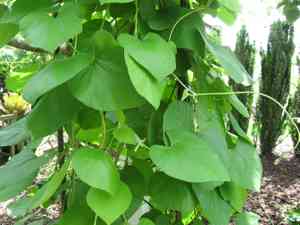
The ideal period for relocating woolly dutchman's pipe is from early spring to late spring, providing a combination of moderate warmth and extended daylight hours perfect for root development. Choose a spot with partial sunlight and fertile, adequately draining earth. Should it be necessary, apply mulch after moving the plant to help retain soil moisture.
What Preparations are Needed Before Transplanting Woolly Dutchman's Pipe?
What is the Ideal Time for Transplanting Woolly Dutchman's Pipe?
The optimal period for relocating woolly dutchman's pipe is from late spring to early summer, when temperatures are mild and moisture is consistent. This timing allows woolly dutchman's pipe to establish roots without the stress of extreme weather. Transplanting during this window provides a full growing season for the perennial to settle, reducing shock and promoting vigorous growth. Additionally, the soil is typically easy to work with, simplifying the transplanting process for both the plant and gardener.
How Much Space Should You Leave Between Woolly Dutchman's Pipe Plants?
When arranging your woolly dutchman's pipe, aim for a separation of approximately 36-48 inches (91-122 cm). This spacing ensures each plant has ample room to develop fully and display its unique charm without competing for essential resources.
What is the Best Soil Mix for Woolly Dutchman's Pipe Transplanting?
For woolly dutchman's pipe, prepare a planting area with soil that drains well and is rich in organic matter. A starter fertilizer high in phosphorus will encourage robust root development. Remember, moderation is key; avoid excessive fertilization.
Where Should You Relocate Your Woolly Dutchman's Pipe?
Select a location for your woolly dutchman's pipe that receives full sun to partial shade. These plants appreciate the sun's warmth but also benefit from some relief during the hottest part of the day, offering an ideal balance.
What Equipments Should You Prepare Before Transplantation Woolly Dutchman's Pipe?
Gardening Gloves
To safeguard your hands while handling soil and plants.
Shovel or Spade
For excavating the plant while preserving the root ball.
Pruning Shears
To trim any damaged roots or stems as needed.
Watering Can or Hose
To hydrate the plant both before and after relocation.
Wheelbarrow
For moving the plant and soil.
Tarp or Burlap
To support the root ball during transport.
Garden Fork
To loosen the soil around the plant's root system before lifting.
Mulch
To safeguard roots after transplant and help maintain soil moisture.
Soil Amendment
To blend with existing soil if necessary for improved root growth.
How Do You Remove Woolly Dutchman's Pipe from the Soil?
How Do You Remove Woolly Dutchman's Pipe from the Soil?
From Ground: First, moisten the soil around the woolly dutchman's pipe plant by watering it. Next, use a shovel or spade to dig a wide trench around the plant, ensuring the root ball remains intact. Carefully work the spade beneath the root ball to lift the plant from its original spot.From Pot: Begin by watering the woolly dutchman's pipe plant to make the soil damp. Turn the pot on its side and gently tap the bottom to loosen the plant. Slowly pull the plant out by its base, taking care not to harm the stem or roots.From Seedling Tray: Gently water the woolly dutchman's pipe seedlings to moisten the soil. Use a spoon or small tool to carefully lift each seedling from the tray. Be cautious not to disturb the root system during removal.
Step-by-Step Guide for Transplanting Woolly Dutchman's Pipe
Digging the New Hole
Carefully excavate a hole in the ground that is twice the width and equal in depth to the root ball of woolly dutchman's pipe. Place the removed soil onto a tarp.
Preparing the Plant
Remove the woolly dutchman's pipe from its current location, ensuring the root ball stays intact and minimizing root disturbance.
Plant Placement
Gently position the woolly dutchman's pipe in the center of the new hole. The top of the root ball should be level with the ground surface.
Backfilling the Hole
Partially refill the hole with soil, firming it around the root ball to eliminate air pockets. Water the soil midway through this process, allow it to settle, then continue filling.
Stabilizing the Plant
After placing woolly dutchman's pipe in its new spot, stake the plant if it is large or in a windy area to provide extra support.
Final Watering
Thoroughly water the woolly dutchman's pipe after planting to settle the soil around the roots and aid in recovery from transplant shock.
Applying Mulch
Apply a layer of mulch around the base of woolly dutchman's pipe to conserve moisture, regulate soil temperature, and reduce weed competition.
How Do You Care For Woolly Dutchman's Pipe After Transplanting?
Watering
Maintain consistent moisture in the soil around woolly dutchman's pipe for the initial weeks after transplant. This helps the plant establish in its new environment without becoming waterlogged.
Staking
Regularly inspect any stakes to ensure they provide support without harming the stem of woolly dutchman's pipe.
Monitoring
Observe woolly dutchman's pipe daily for indications of transplant shock, such as wilting, yellowing, or dropping leaves, and address these issues promptly.
Protection
In the event of unexpected frost or a cold snap, cover woolly dutchman's pipe with frost cloth or an old blanket to shield it from harsh weather.
Pruning
Prune any dead or damaged stems after transplanting to direct woolly dutchman's pipe's energy towards establishing new roots and growth.
Troubleshooting Common Issues with Woolly Dutchman's Pipe Transplantation.
When is the best time to transplant woolly dutchman's pipe?
Relocate woolly dutchman's pipe during the ideal period of late spring to early summer for optimal root establishment.
How far apart should I space woolly dutchman's pipe when transplanting?
Position woolly dutchman's pipe with a generous distance of 36-48 inches (91-122 cm) to allow for growth and proper air circulation.
Why are my woolly dutchman's pipe leaves wilting after transplanting?
Wilting may signal transplant shock. Ensure adequate water, initially avoid full sun, and protect from strong winds while woolly dutchman's pipe acclimates.
What soil conditions suit woolly dutchman's pipe best for transplanting?
Aim for well-drained, humus-rich soil. If drainage is poor, consider elevating the bed or amending the soil with organic matter.
How deep should I plant woolly dutchman's pipe roots when transplanting?
Plant the roots of woolly dutchman's pipe at the same depth they were in their previous location; typically, the top of the root ball should be level with the soil surface.
Can I transplant woolly dutchman's pipe on a hot, sunny day?
For a less stressful move, transplant woolly dutchman's pipe on an overcast day or in the late afternoon to avoid intense sun and heat.
My woolly dutchman's pipe isn't growing after transplanting. What could be wrong?
Patience is crucialâit's normal for woolly dutchman's pipe to experience reduced growth as it establishes roots. Ensure proper care and allow it time.
How much water does woolly dutchman's pipe need after transplanting?
Water woolly dutchman's pipe thoroughly until established, ensuring the soil is moist but not waterlogged. Consistency is vital to prevent stress.
Is mulching beneficial for woolly dutchman's pipe after transplanting?
Absolutely, mulch helps retain moisture and regulate temperature. Apply a 2-3 inch (5-7.6 cm) layer around woolly dutchman's pipe, keeping it away from the stem.
How do I know if woolly dutchman's pipe has transplant shock?
Signs include leaf drop, wilting, or yellowing. Minimize by properly preparing the new site and watering, but avoid overwatering.



