How to Transplant Birthwort?
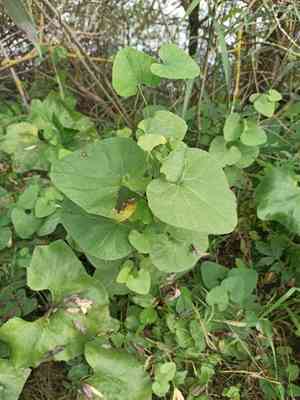
The optimal period for transplanting birthwort is from the mild warmth of late spring through early summer, as the ground heats up. Select a location offering partial shade and good drainage. Gentle handling during the transfer will guarantee a smooth adjustment to its new spot.
What Preparations are Needed Before Transplanting Birthwort?
What is the Ideal Time for Transplanting Birthwort?
The optimal period to relocate your birthwort is during the warming days between late spring and the start of summer. Moving birthwort at this time allows it to develop robust roots in the mild soil, setting the stage for vigorous growth. Selecting this timeframe for transplantation ensures your birthwort benefits fully from the beginning of the growing season, leading to a lush, healthy plant.
How Much Space Should You Leave Between Birthwort Plants?
When getting ready to transplant birthwort, remember that each plant requires its own area to thrive. Aim for a separation of approximately 18-24 inches (45-60 cm) between each one. This will provide your birthworts ample room for root expansion and development.
What is the Best Soil Mix for Birthwort Transplanting?
For your birthwort, you'll want to create a comfortable soil bed. Choose well-draining soil with a generous amount of organic compost. Before planting, mix in a balanced, slow-release fertilizer to give your birthworts a healthy start. Consider it a nutritious first meal for your plants!
Where Should You Relocate Your Birthwort?
Your birthwort enjoys some sun exposure but also appreciates a bit of shade. Select a garden spot that receives partial sunlight, particularly one that gets morning sun and is shaded in the afternoon. This will keep your birthworts content and flourishing.
What Equipments Should You Prepare Before Transplantation Birthwort?
Gardening Gloves
To safeguard your hands while handling soil and plants.
Hand Trowel
For digging and moving the plant or earth.
Spade or Shovel
To excavate birthwort from the ground, ensuring minimal root disturbance.
Watering Can or Hose
For pre-watering birthwort and maintaining soil moisture post-transplantation.
Wheelbarrow or Garden Cart
To effortlessly transport birthwort and soil.
Stakes or Plant Supports
To stabilize birthwort if needed, following transplanting.
Pruning Shears
To trim any damaged roots or stems during the transplanting process.
Mulch
To aid in moisture retention and weed reduction around the new planting area.
How Do You Remove Birthwort from the Soil?
How Do You Remove Birthwort from the Soil?
From Ground: First, hydrate the birthwort plant to moisten the soil. Choose a cool or overcast day to minimize stress. Next, dig a wide trench around birthwort, using a shovel or spade, being careful not to harm the root system. Gently work the spade beneath the root ball to lift birthwort from its original spot.From Pot: Begin by watering birthwort to dampen the soil. Turn the pot sideways and gently tap the sides and bottom to help loosen the soil. Place your hand on the soil surface with birthwort between your fingers. Slowly tip the pot and carefully ease out birthwort, ensuring the root ball remains intact.From Seedling Tray: Moisten the soil around birthwort seedlings before attempting to extract them. Using a hand trowel or a dibber, gently loosen the soil to ease the root ball out of the tray cell. Handle birthwort by its leaves rather than the stem to prevent damage.
Step-by-Step Guide for Transplanting Birthwort
Prepare the New Location
Dig a hole that is twice the width of the root ball and of the same depth. Ensure the hole is large enough to comfortably accommodate the birthwort without crowding its roots.
Plant Removal
Follow the removal procedure as outlined above, taking care to keep the root ball of birthwort as intact as possible.
Prepare the Plant
Examine the root ball and trim away any damaged roots. Also, prune back any excessive growth on birthwort, focusing on damaged or diseased stems.
Planting birthwort
Place birthwort in the center of the prepared hole. Adjust its position so the top of the root ball is level with the surrounding soil surface. Fill in around the root ball with soil, gently tamping down to eliminate air pockets.
Stabilize the Plant
If birthwort is top-heavy or tall, use stakes or plant supports to stabilize it. Carefully tie the plant to the supports without causing damage to the stems.
Water Thoroughly
After planting, water birthwort deeply to settle the soil around the roots and to help reduce transplant shock.
How Do You Care For Birthwort After Transplanting?
Watering
Keep birthwort well-hydrated until it is established, especially during the initial weeks. Water deeply to encourage robust root growth.
Mulching
Apply a layer of mulch around birthwort to help retain soil moisture and regulate soil temperature.
Checking Stakes
Regularly inspect any stakes or supports for tightness, to ensure they are not harming birthwort as it grows.
Observation
Monitor birthwort closely for signs of stress, such as wilting, leaf burn, or discoloration. Address any issues you notice, such as adjusting watering or providing shade if needed.
Troubleshooting Common Issues with Birthwort Transplantation.
When's the best time to transplant birthwort?
Ideally, move birthwort during the growth-friendly window from late spring to early summer for the best success.
How far apart should I space birthwort when transplanting?
Give each birthwort enough room to flourish by spacing them 18-24 inches (45-60 cm) apart.
What's the ideal soil condition for transplanting birthwort?
For happy roots, transplant birthwort into well-draining soil enriched with organic matter.
How deep should the hole be when transplanting birthwort?
Dig a hole spacious enough for birthwort's root ball, generally equal to its size, ensuring a cozy fit.
Can birthwort handle full sun when transplanted?
Birthwort's leaves love dappled sunlight. Place them where they get partial shade, especially in hotter climates.
How often should I water birthwort after transplanting?
Water birthwort generously right after transplanting, then keep soil consistently moist for the first few weeks.
What should I do if birthwort's leaves wilt after transplanting?
Don't worry, some drooping is normal. Ensure the soil is moist and wait for birthwort to perk up.
How can I tell if I've overwatered birthwort post-transplant?
Soggy soil and yellowing leaves might mean you're overdoing it. Let the soil dry a bit between waterings.
Is it okay to fertilize birthwort right after transplanting?
Hold off fertilizing immediately. Let birthwort settle for a few weeks, then use a balanced fertilizer.
My birthwort looks stressed after transplanting, what should I do?
Keep the soil moist and protect birthwort from harsh sun. It usually bounces back with a little TLC!



