How to Transplant Guinea-fowl aloe?
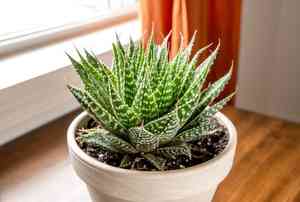
The ideal period for relocating guinea-fowl aloe is from mid-spring through late spring, allowing the specimen to become rooted before the warmer season. Select a site with good drainage and exposure to partial or full sunlight for best results. Adhere to appropriate transplanting guidelines to ensure a smooth shift.
What Preparations are Needed Before Transplanting Guinea-fowl Aloe?
What is the Ideal Time for Transplanting Guinea-fowl Aloe?
Mid to late spring, the peak period for growth and flowering, is the optimal time to transplant guinea-fowl aloe. This season provides ample warmth and moisture, crucial for root development. Additionally, springtime relocation minimizes transplant shock, giving guinea-fowl aloe a strong start for the growing season. Essentially, no other season is better for establishing guinea-fowl aloe's prime health and development.
How Much Space Should You Leave Between Guinea-fowl Aloe Plants?
When transplanting your guinea-fowl aloe, it's advisable to maintain a distance of approximately 18-24 inches (45-60 cm) between each plant. This spacing allows them ample room to develop and flourish.
What is the Best Soil Mix for Guinea-fowl Aloe Transplanting?
Your guinea-fowl aloe will thrive in a soil mixture that drains well, preferably sandy or gritty. Be sure to incorporate a slow-release fertilizer at the base to supply essential nutrients for robust growth.
Where Should You Relocate Your Guinea-fowl Aloe?
Select a bright location for your guinea-fowl aloe as they prefer abundant, indirect sunlight. Ideally, aim for a spot that receives at least 6 hours of sun daily.
What Equipments Should You Prepare Before Transplantation Guinea-fowl Aloe?
Gardening Gloves
To safeguard your hands while handling the soil and guinea-fowl aloe.
Garden Spade or Shovel
Utilized for excavating the guinea-fowl aloe from its original spot and preparing the new site.
Wheelbarrow
For moving the guinea-fowl aloe and soil if the new location is distant from the initial one.
Bucket
To hold water for irrigating the guinea-fowl aloe during and after its relocation.
Garden Knife
For carefully trimming any damaged roots during the transplanting process.
Garden Fork
To gently loosen the soil surrounding the plant before lifting it.
How Do You Remove Guinea-fowl Aloe from the Soil?
How Do You Remove Guinea-fowl Aloe from the Soil?
From Ground: First, ensure the soil around the guinea-fowl aloe plant is damp but not waterlogged; this facilitates easier removal as roots are more flexible. Dig a wide trench around the plant with a spade, ensuring the root ball remains intact. Then, carefully slide the spade beneath the root ball to lift the plant from its original position. Exercise extreme caution to avoid root damage.From Pot: First, water the guinea-fowl aloe plant to make the soil and roots cohesive. Turn the pot on its side, holding the guinea-fowl aloe plant gently at its base. Apply pressure or tap the bottom and sides of the pot to loosen it, then carefully slide the plant and its root ball out. Do not pull the plant forcefully, as this may harm the roots.From Seedling Tray: Water the seedlings in their tray, then carefully separate the guinea-fowl aloe seedlings using a fork or your fingers, minimizing root damage. Gently lift each one from the tray.
Step-by-Step Guide for Transplanting Guinea-fowl Aloe
Preparation
Prepare the new location by loosening the soil with a fork to approximately twice the size of the root ball. This aids in easier root penetration into the fresh soil.
Planting
Position the guinea-fowl aloe in the prepared hole, ensuring the top of the root ball is flush with or slightly below the ground level. This helps the plant establish quickly in its new environment.
Backfilling
Gently refill the hole with the soil you previously removed, firming it around the base to secure the guinea-fowl aloe. Be careful not to harm the plant while compacting the soil.
Watering
Thoroughly water the guinea-fowl aloe after transplanting to settle the soil around its roots and assist the plant in recovering from potential transplant shock.
How Do You Care For Guinea-fowl Aloe After Transplanting?
Watering
Consistent watering is crucial for the first few weeks post-transplant to help the guinea-fowl aloe establish. Ensure the soil remains uniformly moist but prevent waterlogging the area.
Monitoring
Keep a close watch on the guinea-fowl aloe and regularly observe its progress. If leaves start to wilt or yellow, it could signal distress, requiring adjustments to its care.
Protection
If you reside in an area with wildlife that might consume or harm plants, consider erecting a protective barrier around the guinea-fowl aloe. A simple chicken wire enclosure can deter most animals.
Troubleshooting Common Issues with Guinea-fowl Aloe Transplantation.
When is the best time to transplant guinea-fowl aloe?
The optimal period to relocate guinea-fowl aloe is from mid to late spring.
What is the best-spacing practice for guinea-fowl aloe when transplanting?
The ideal spacing for guinea-fowl aloe is between 18-24 inches (45-60 cm) to ensure healthy development.
What should I do if guinea-fowl aloe looks unhealthy after transplanting?
Examine guinea-fowl aloe's soil and watering routine. It requires well-draining soil and water only when the soil is dry to prevent root rot.
Why are the leaves of my guinea-fowl aloe turning brown post-transplant?
Brown leaves may indicate sunburn or excessive watering. Gradually acclimate guinea-fowl aloe to its new sun exposure and ensure the soil drains properly.
How to handle root rot in guinea-fowl aloe after transplanting?
Remove guinea-fowl aloe from the soil, trim away decayed roots, and replant in a fresh, well-draining medium. Avoid overwatering in the future.
What if the guinea-fowl aloe doesnât seem to be growing after transplantation?
Patience is essential. Provide adequate water, light, and nutrients, but remember that growth typically slows following the transplant process.
Why is the guinea-fowl aloe wilting right after the transplantation?
This is transplant shock - a common occurrence. Place guinea-fowl aloe in a location with indirect sunlight and maintain a consistent watering schedule.
Does guinea-fowl aloe require any special soil for transplantation?
Guinea-fowl aloe prefers a well-draining, sandy or gravelly soil. Excessive moisture can lead to root rot, so good drainage is vital.
Why does my guinea-fowl aloe have yellow leaves after it was transplanted?
Yellow leaves can indicate overwatering. Ensure guinea-fowl aloe is in well-draining soil, and water it only when the soil is dry.
How to avoid transplanting shock in guinea-fowl aloe?
To prevent transplant shock, avoid disturbing guinea-fowl aloe's roots, provide well-draining soil, and water sufficiently but not excessively.



