How to Transplant Green dragon?
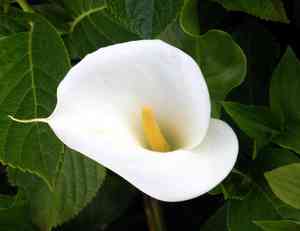
Relocate green dragon during the early days of spring, as new life emerges—this period fosters vigorous development. Opt for dim areas featuring fertile, damp earth. When moving, ensure minimal disruption to the root system for a smooth adjustment.
Essential Preparations Before Relocating Green Dragon
Optimal Timing for Green Dragon Relocation
For green dragon, early to mid-spring marks the perfect period for relocation. This timing allows green dragon a full growing season to establish its root system prior to winter. Moving green dragon as the ground thaws and new growth emerges aligns with its natural cycle, encouraging robust development. Selecting this window ensures green dragon benefits from rising temperatures and moisture, crucial for root establishment and initial growth, setting the stage for a successful transition.
Recommended Spacing Between Green Dragon Plants
When relocating green dragon, proper spacing between individual plants is crucial. Aim for approximately 1-2 feet (30-60 cm) of separation. This provides each plant ample room to grow and thrive without competing for essential resources with nearby specimens.
Ideal Soil Blend for Green Dragon Relocation
The chosen soil for green dragon should be well-draining and rich in organic matter. You can amend your garden bed by incorporating compost or a balanced fertilizer to give green dragon the best start. A slow-release granular fertilizer is a good foundational choice, especially for novices.
Selecting a New Location for Your Green Dragon
Like many perennial plants, green dragon thrives with a balance of sun and shade. Choose a site where your green dragon will receive ample morning light, but protection from the intense afternoon sun. Avoid overly shaded areas as this can impede its growth.
Tools Required Before Relocating Green Dragon
Gardening Gloves
To safeguard your hands from dirt or minor scrapes while handling the green dragon.
Shovel or Garden Spade
Essential for excavating the plant from its original spot and preparing a new hole in the chosen relocation area.
Wheelbarrow or Garden Trug
For transporting the green dragon from its initial location to the final planting site without creating a mess.
Organic Compost or Mulch
Helps create a nutrient-rich environment around the relocated green dragon, fostering healthier development.
Garden Hose or Watering Can
For hydrating the plant both before and after the relocation process.
Method for Extracting Green Dragon from the Soil
Method for Extracting Green Dragon from the Soil
From Ground: First, lightly water the green dragon to moisten the soil, facilitating easier digging. Next, using a shovel or spade, create a substantial trench around the plant, ensuring the root ball remains intact. Carefully work the shovel beneath the root ball to effectively and safely lift the plant.From Pot: If the plant is already in a pot, begin by turning the pot sideways and gently tapping it to loosen the soil and roots. You can then carefully slide the green dragon out, minimizing disturbance to its root system.From Seedling Tray: For green dragon in a seedling tray, gently squeeze the bottom of the cells to loosen the soil and roots. Exercise care when lifting the green dragon out, holding it by the leaves rather than the stem to prevent damage.
Step-by-Step Guide for Relocating Green Dragon
Preparation
Prepare the new planting site by digging a hole that is twice as wide and as deep as the green dragon's root ball.
Placement
Position the green dragon in the prepared hole. Ensure the plant is set at the same depth as it was in its previous location. The uppermost roots should be slightly below ground level.
Backfilling
Refill the excavated hole with the original soil mixed with some organic compost or mulch. Gently pat down the soil to eliminate any air pockets.
Watering
Thoroughly water the plant after relocation. Aim to water at the base rather than on the leaves to prevent potential foliar diseases.
Post-Relocation Care for Green Dragon
Watering
Ensure the soil around the green dragon remains adequately moist after relocation. Regularly check moisture levels, as both overwatering and underwatering can stress the newly moved green dragon.
Pruning
If the plant exhibits signs of stress, such as yellowing leaves or stunted growth, consider pruning to encourage healthier development. Pruning involves removing any dead or dying foliage and branches.
Monitoring
Keep a close watch on the green dragon. Look for pests and diseases and take necessary action if observed. Confirm the plant is adapting well to its new surroundings.
Addressing Common Issues During Green Dragon Relocation.
What is the optimal period to relocate green dragon?
The ideal time to relocate green dragon is during S1-S2, which typically offers more stable weather conditions.
What distance should I maintain between each green dragon during relocation?
You should allow approximately 1-2 feet (30-60 cm) of space between each green dragon. This provides room for the plant to achieve healthy growth without competition.
Is it necessary to water green dragon after relocation?
Absolutely! Watering green dragon immediately after relocation is vital. It helps the plant settle into its new environment and promotes root development.
What type of soil does green dragon prefer for relocation?
Green dragon thrives in well-drained soil. Avoid overly dense or waterlogged soils, as these can lead to root rot and other ailments.
Should I apply fertilizers during the relocation of green dragon?
Yes, incorporating a slow-release fertilizer can supply green dragon with essential nutrients, especially right after relocation. However, remember not to over-fertilize.
Is it important to prune green dragon before relocation?
Yes, pruning old or damaged foliage before relocation can help green dragon direct more energy towards establishing roots in its new location.
How deep should I plant green dragon during relocation?
You should dig a hole that is twice as wide and as deep as the green dragon's root ball. This encourages root expansion.
Should I relocate green dragon in full sun or partial shade?
Green dragon prefers a location with partial shade. However, it can tolerate full sun, provided it receives sufficient moisture, particularly during hot summer days.
What is the primary indicator that green dragon is ready for relocation?
When green dragon appears to be outgrowing its current spot, it's a clear sign that it could benefit from relocation to a larger area.
How can I prevent transplant shock in green dragon?
To avoid transplant shock, maintain consistent watering, shield from intense sunlight for a few days post-relocation, and apply a root stimulator to encourage new root growth.



