How to Transplant Areca palm?
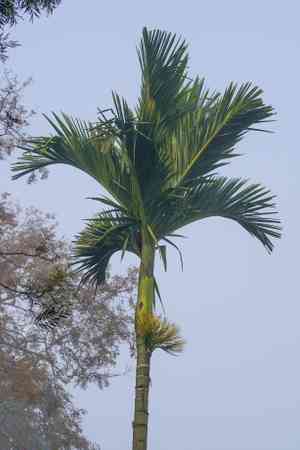
The arrival of warmer weather in early to mid-spring, when areca palm can commence a new period of development, is ideal for relocation. Providing a location with ample, diffused illumination and safeguarding areca palm from severe conditions will encourage vigorous expansion. If necessary, enhance the procedure with careful handling and attention to the root structure.
Essential Preparations Before Relocating Areca Palm
Optimal Timing for Areca Palm Relocation?
The perfect time to move your areca palm is at the start of spring. This period allows the areca palm to settle in mild temperatures, which is crucial for its strong development. By transplanting in this gentle season, you're setting up your areca palm for success, fully utilizing the upcoming months of growth. This strategic timing ensures that the roots of areca palm have ample opportunity to establish themselves in their new environment, benefiting from the moisture and warmth that spring offers.
Required Spacing Between Areca Palm Plants?
For areca palm, providing ample room is vital. Position each plant approximately 6-10 feet (1.8-3 meters) apart. This provides sufficient space for growth without overcrowding. Proceed slowly and give each plant its designated area. Do not rush this process!
Best Soil Mixture for Areca Palm Transplanting?
Let's prepare the ideal bed for areca palm! Select loamy, well-draining soil. Enhance its happiness with a foundational fertilizer rich in phosphorus and potassium. Simply sprinkle it on before introducing the plant. It's like making a bed extra comfortable before sleep!
Optimal Location for Your Areca Palm?
For a bright beginning, place areca palm in a spot that offers plenty of sunlight but also provides some afternoon shade. It's like lounging under the summer sun with a refreshing drink nearby. Invigorating, isn't it?
Equipment Needed Before Transplanting Areca Palm
Gardening Gloves
To safeguard your hands when handling soil and areca palm.
Shovel or Trowel
For excavating the plant and preparing the new planting site.
Gardening Shears or Pruners
To cleanly sever any damaged roots.
A Wheelbarrow or Large Bucket
To move the areca palm from its original spot to the new planting location.
Mulch
To assist the soil around areca palm in retaining moisture after transplant.
Watering Can or Garden Hose
For thoroughly hydrating areca palm after transplant.
How to Extract Areca Palm from the Soil?
How to Extract Areca Palm from the Soil?
From Ground: First, moisten the soil surrounding the areca palm to facilitate digging. Use a shovel or trowel to dig a circle around the plant, going about 10-12 inches deep to keep the root ball intact. Carefully work the tool beneath the root ball and lift the plant from the hole.From Pot: Water the areca palm to dampen the soil. Turn the pot on its side, hold the plant gently by its base, then tap the pot's rim against a firm surface to loosen it. If this doesn't work, you may need to cut the pot away.From Seedling Tray: Moisten the soil, then use a gardening trowel to separate the seedlings. Hold each areca palm by its leaves (not the stem) to prevent harm, then gently remove it from its cell, keeping as much soil around the roots as possible.
Step-by-Step Guide for Transplanting Areca Palm
Preparation
Thoroughly water areca palm several hours prior to transplant. This ensures the roots are well-hydrated, and the plant is easier to remove.
Location Preparation
Dig a hole that is 2-3 times wider than the root ball and as deep as the roots are long. Loosen the soil at the bottom of the hole to help areca palm's roots penetrate more easily.
Transplanting
Place areca palm into the hole, ensuring itâs not too deep or too shallow. The stem's base, where it transitions to root, should be at the soil surface. Backfill the hole with soil, gently firming it around the plant's base.
Watering
Once transplanted, water areca palm thoroughly to settle the soil and eliminate any air pockets.
Mulching
Apply 2-3 inches of mulch around the plant (but not touching the stem) to help the soil retain moisture and deter weeds.
Post-Transplant Care for Areca Palm
Watering
Keep the soil consistently moist but avoid overwatering as areca palm dislikes sitting in water. Water deeply when the top inch or two of soil feels dry.
Pruning
Remove any yellow or brown leaves to help areca palm conserve its energy for new growth.
Monitoring
Observe areca palm closely for the first few weeks after transplanting to detect any signs of transplant shock early. Common indicators can include wilting, yellowing, and leaf drop.
Addressing Common Issues with Areca Palm Transplantation.
What's the ideal season to transplant areca palm?
The optimal transplanting period for areca palm falls in the seasons S1-S2. It's the time when areca palm adapts better and develops more robustly.
How much space should I leave between areca palm plants when transplanting?
A good guideline is to leave about 6-10 feet (1.8-3 meters) between each areca palm to allow for adequate growth and prevent overcrowding.
What type of soil does areca palm require when transplanting?
Areca palm prefers well-draining soil rich in organic matter. Soil pH should ideally be in the range of 6.1 to 6.5 (slightly acidic).
How much water should I provide areca palm after transplanting?
Water areca palm thoroughly immediately after transplanting. Afterwards, keep the soil consistently moist, but not waterlogged. Refrain from overwatering to prevent root rot.
Should I prune areca palm before transplanting?
Yes, it's a good practice to trim off yellow or brown fronds before transplanting. This helps direct areca palm's energy towards developing new roots and leaves.
How deep should I plant areca palm when transplanting?
The planting hole should be just deep enough to cover the root ball. Place areca palm so the top of the root ball is level with or slightly above the ground.
Can I transplant areca palm in a pot?
Yes, areca palm adapts well to container life. Choose a pot with adequate drain holes and ensure it's big enough to accommodate the root ball with room to grow.
What's the ideal temperature for areca palm after transplanting?
Areca palm thrives at temperatures between 65-75°F (18-24°C). Avoid places where temperature drops below 50°F (10°C) as it can harm the plant.
How much sunlight does areca palm require after transplanting?
Areca palm likes bright, indirect light. Avoid direct sunlight as it can scorch the leaves. A North or East facing room would be ideal.
What's the best fertilizer for areca palm after transplanting?
Use a balanced (like 20-20-20) water-soluble fertilizer. Apply during the growing season (S1-S2). Follow the instructions on the package for proper dosage and application.



