How to Transplant Christmas berry?
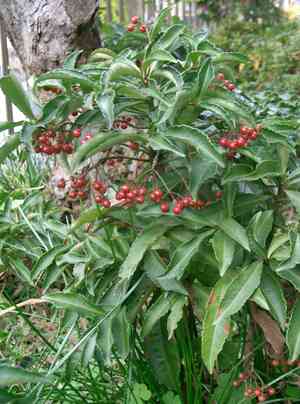
The ideal period for relocating christmas berry occurs from early to mid-spring or late autumn through late winter. These intervals enable the plant to develop robust root systems. Select a site featuring soil that drains effectively and offers partial to complete shade. If necessary, offer extra reinforcement during the relocation process to ensure vigorous development.
Preparations Required Before Relocating Christmas Berry
Optimal Period for Transplanting Christmas Berry
The ideal period to move your christmas berry is during early to mid-spring, or from late autumn to late winter. These conditions prepare your christmas berry for the upcoming growth cycle and aid in more effective root establishment. Therefore, meticulously plan your transplanting to provide your christmas berry with everything necessary for robust, healthy growth! It's a straightforward approach, and you'll appreciate the outcome in your thriving, healthy christmas berry.
Recommended Spacing Between Christmas Berry Plants
For christmas berry, begin by digging holes spaced 12 inches (30 cm) apart. This provides ample room for development while keeping the plants close enough to form an attractive, dense display.
Best Soil Mixture for Christmas Berry Transplantation
Prepare the soil by incorporating organic matter such as compost or well-rotted manure. The perfect soil type for christmas berry is well-draining and slightly acidic, with a pH ranging from 5.5 to 6.5. Utilize a balanced, slow-release fertilizer as a foundation to support vigorous growth.
Optimal Location for Relocating Your Christmas Berry
Select a spot with partial shade, as christmas berry do not thrive in full sun or deep shade. Morning sun with afternoon shade, or filtered sunlight throughout the day, will greatly benefit your christmas berry!
Equipment to Prepare Before Transplanting Christmas Berry
Shovel or Spade
For excavating the hole for the christmas berry plant and extracting it from its current position.
Gardening Gloves
To safeguard your hands while handling soil and the plant.
Wheelbarrow or Tarp
Useful for transporting the christmas berry plant to its new site without harming the root ball.
Watering Can or Hose
To hydrate the christmas berry plant before and after relocation to minimize transplant shock.
Mulch
To retain soil moisture and suppress weeds post-transplanting.
Graduated Trowel
To accurately measure the planting depth of the hole.
Method for Removing Christmas Berry from the Soil
Method for Removing Christmas Berry from the Soil
From Ground: First, water the christmas berry plant to moisten the soil. Next, excavate a wide trench around the plant using a shovel or spade, ensuring the plant's root ball remains intact. Carefully work the spade beneath the root ball to lift the plant from its original spot. Use a wheelbarrow or tarp to support the root ball while moving the plant to its new location.From Pot: For a potted christmas berry plant, watering it initially will facilitate removal. Turn the pot on its side and gently extract the plant while supporting the root ball. Avoid forceful pulling, as this may damage the roots.From Seedling Tray: When the christmas berry seedling is ready for transplanting, handle it with care to prevent damage to the delicate roots. Gently squeeze the base of the cell or use a slender tool like a popsicle stick to lift the seedling out. Always hold it by the leaves, not the stem or roots.
Step-by-Step Guide for Transplanting Christmas Berry
Digging the Hole
Excavate a hole approximately twice the width and equal to the depth of the christmas berry plant's root ball. This provides ample space for the roots to spread and establish. Ensure the hole's sides are sloped, not vertical.
Positioning the Plant
Place the christmas berry plant into the hole. It should be at the same depth as it was in its previous location. Avoid planting it too deeply or too shallowly. The top of the root ball should be level with or slightly above the surrounding soil.
Backfilling
Refill the hole with the original soil. Gently press the soil around the base of the christmas berry plant. Water thoroughly to settle the soil around the roots.
Mulching
Apply a layer of mulch around the christmas berry, leaving a small gap around the stem. This helps conserve moisture and keep the root zone cool.
Post-Transplanting Care for Christmas Berry
Watering
During the initial weeks after transplantation, maintain consistently moist soil. Excessive water can drown the plant, while insufficient water can cause stress. Gradually reduce watering as the christmas berry plant becomes established.
Pruning
Trimming the christmas berry by 1/3 after transplanting can help alleviate stress and reduce water loss from its foliage. Always make clean, precise cuts to prevent disease.
Monitoring
Regularly observe the christmas berry plant for indications of distress, such as wilting or discoloration. If such signs are noted, consider adjusting care strategies or consulting a horticultural expert.
Protection
Shield the newly transplanted christmas berry from harsh weather conditions, like strong winds or direct, intense sunlight, for the first few days.
Resolving Common Issues with Christmas Berry Transplantation.
What is the optimal time of year to transplant christmas berry?
Transplanting christmas berry is best performed from early to mid-spring, or from late autumn through the end of winter.
What spacing should be maintained when planting christmas berry?
Maintain a distance of approximately 12 inches (about 30.5 cm) between each christmas berry during planting for optimal growth.
How do I prepare the soil for transplanting christmas berry?
First, dig a hole twice as wide and as deep as the root ball. Mix compost into the excavated soil to enhance nutrients and drainage. Return some of this mixture to the hole.
What actions should I take after the christmas berry has been transplanted?
Water thoroughly after transplanting the christmas berry, and apply a top-dressing of compost or slow-release fertilizer to nourish and stimulate its initial growth.
Why are the leaves of my newly transplanted christmas berry turning yellow?
This could be due to water stress or shock from the transplantation. Ensure the plant receives adequate water and allow it time to adapt to its new environment.
How can I mitigate transplant shock in christmas berry?
Attempt to disturb the roots as little as possible during transplanting. Also, water sufficiently and consistently, providing partial shade for the initial few days if feasible.
What does it signify if the leaves of my transplanted christmas berry are wilting?
Generally, wilting in christmas berry may indicate distress, likely from insufficient water, temperature shock, or excessive sun exposure. Adjust conditions as needed and remove wilted parts.
How to ensure proper root development after transplanting christmas berry?
Water regularly but avoid overwatering. To encourage root growth, apply a root-stimulating fertilizer according to the product's instructions.
What if my christmas berry isn't growing despite proper care post-transplant?
Sometimes, plants require time to adjust after transplanting. However, if the christmas berry shows no signs of growth for several weeks, consider checking for pests, diseases, or inadequate soil conditions.
Why do the leaves of my transplanted christmas berry have brown tips?
Brown tips could indicate insufficient humidity or a sensitivity to chemicals in tap water. Try misting christmas berry for increased humidity or using filtered or rainwater.



