How to Transplant Lesser burdock?
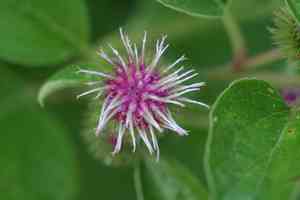
Relocating lesser burdock is most successful when performed between the pleasant months of mid-spring and early summer. Guarantee optimal growth by selecting a location that receives full sun to partial shade and features damp, adequately draining earth.
What Preparations are Needed Before Transplanting Lesser Burdock?
What is the Ideal Time for Transplanting Lesser Burdock?
The optimal period to relocate lesser burdock is from mid-spring to early summer, ensuring ample warmth and sunlight for robust development. Moving it during this time promotes root establishment and strengthens overall plant vigor.
How Much Space Should You Leave Between Lesser Burdock Plants?
For lesser burdock, an optimal spacing during relocation is 2-3 feet (60-90 cm) apart. This provides each plant sufficient room to grow and flourish, simplifying its care and upkeep.
What is the Best Soil Mix for Lesser Burdock Transplanting?
Lesser burdock thrives in well-drained, rich soil with a pH between 6.0-7.0. Prior to transplanting, incorporate a foundational fertilizer like aged compost or well-rotted manure to boost soil nutrients and structure.
Where Should You Relocate Your Lesser Burdock?
Select a location for your lesser burdock that receives full sun to partial shade. This plant is adaptable, but it performs best with at least 4-6 hours of daily sunlight. Monitor your plants to ensure they receive adequate light.
What Equipments Should You Prepare Before Transplantation Lesser Burdock?
Gardening Gloves
To safeguard your hands while handling soil and plants.
Trowel
For excavating small holes for relocation.
Shovel or Spade
For digging larger holes and extracting plants from the ground.
Watering Can or Hose
For hydrating plants before and after relocation.
Pruning Shears
To trim roots or branches if required.
Garden Fork
To loosen the soil around the plant's original spot, if applicable.
Stakes and Ties
To offer additional support for taller, mature lesser burdock plants.
How Do You Remove Lesser Burdock from the Soil?
How Do You Remove Lesser Burdock from the Soil?
- From Ground:First, moisten the lesser burdock plant's soil. Then, excavate a wide trench around the plant using a shovel or spade, ensuring the root ball remains intact. Carefully work the spade beneath the root ball to lift the plant from its initial position. Trim any damaged or excessively long roots.- From Pot:Begin by watering the lesser burdock plant to moisten the soil, which will help keep the root ball intact during relocation. Gently invert the pot and tap the bottom to release the plant. Avoid pulling the plant by its stem, as this may cause harm.- From Seedling Tray:Water the lesser burdock seedlings to help maintain the root ball's integrity during relocation. Gently use a spoon or small trowel to extract each seedling from the tray, keeping as much soil around the roots as possible.
Step-by-Step Guide for Transplanting Lesser Burdock
Dig the Hole
Based on the size of the lesser burdock plant you are relocating, dig a hole in the ground twice as wide and just as deep as the root ball.
Prepare the Hole
Form a small soil mound at the bottom of the hole to support the root ball. Ensure the mound allows the top of the root ball to be level with the surrounding soil.
Insert the Plant
Place the lesser burdock plant in the hole, positioning it so the root ball rests on the mound and its top is level with the surrounding soil. It's crucial to ensure the plant stands upright.
Fill the Hole
Backfill the hole with soil, ensuring the soil around the root ball is firm but not overly compacted.
Water
Thoroughly water the lesser burdock plant immediately after relocation, allowing the water to penetrate deep into the root area.
Add Stakes and Ties (if necessary)
If your lesser burdock plant is tall and needs extra support, insert stakes around the plant and gently tie them to the main stem. Be careful not to harm the stem in the process.
How Do You Care For Lesser Burdock After Transplanting?
Watering
Keep the soil around the lesser burdock consistently damp, but not waterlogged, for the initial weeks post-transplant to aid in strong root establishment.
Mulching
Apply a layer of organic mulch, such as straw or shredded bark, around the base of the lesser burdock plant to help retain moisture and deter weeds.
Monitoring
Observe the lesser burdock plant for any indications of stress, such as drooping leaves or discoloration. Address any issues promptly, adjusting your watering or care routine as needed.
Fertilizing
Wait 4-6 weeks after relocating the lesser burdock plant before applying a balanced fertilizer, allowing the plant time to establish its roots.
Troubleshooting Common Issues with Lesser Burdock Transplantation.
When is the best time to transplant lesser burdock?
Relocate lesser burdock in mid-spring to early summer for optimal outcomes.
What distance should be maintained between lesser burdock plants?
Maintain a spacing of approximately 2-3 feet (60-90 cm) between each lesser burdock plant for ideal growth.
How deep should I plant the lesser burdock seedlings?
Plant the lesser burdock seedlings at the same depth as their original container to prevent stress.
How should I prepare the soil before transplanting lesser burdock?
Ensure the soil is well-draining, fertile, and slightly alkaline. Incorporate compost or other organic matter.
What kind of sunlight does lesser burdock need after transplanting?
Lesser burdock prefers full sun to light shade. Ensure it receives at least 4-6 hours of daily sunlight.
How often should I water lesser burdock after transplanting?
Water lesser burdock consistently to keep the soil moist but not saturated. Avoid allowing the soil to dry out.
Should I fertilize lesser burdock after transplanting?
Apply a balanced, slow-release fertilizer during relocation, then reapply according to the specific fertilizer's instructions.
How do I acclimate lesser burdock seedlings before transplanting?
Harden off lesser burdock seedlings by gradually exposing them to sunlight and outdoor conditions for 7-10 days.
When should I prune or cut back lesser burdock after transplanting?
Prune lesser burdock as necessary to maintain its shape, cutting back dead or damaged branches to encourage new growth.
What if my transplanted lesser burdock wilts or looks stressed?
Ensure it's adequately watered and shielded from intense sunlight or strong winds. Consider using a shade cloth for protection.



