How to Transplant King palm?
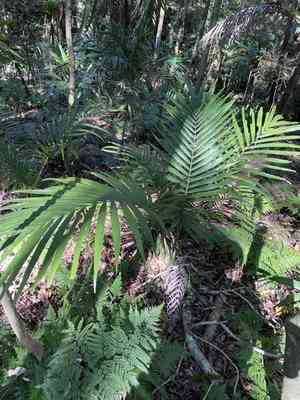
The ideal period for relocating king palm is amidst the vigor of mid to late spring, facilitating superior adaptation. Select a sun-drenched location with good drainage to foster robust development, and if necessary, amend the earth to offer a supportive new environment.
What Preparations are Needed Before Transplanting King Palm?
What is the Ideal Time for Transplanting King Palm?
The optimal period for relocating king palm is mid-spring, offering perfect temperatures and allowing root establishment prior to the summer heat. Moving king palm during this time utilizes the mild weather to lessen transplant shock, ensuring a strong base for summer development. Adhering to this transplant window promotes a smooth transition, promising improved adaptation and a flourishing existence for king palm.
How Much Space Should You Leave Between King Palm Plants?
When relocating king palm, ensure ample distance between each palm. Ideally, you should aim for approximately 20-25 feet (6-7.6 meters) of clearance. This will provide your palmtree sufficient room to develop and spread out comfortably.
What is the Best Soil Mix for King Palm Transplanting?
For king palm, select a well-draining soil rich in organic matter. It would also be beneficial to prepare the base with a slow-release fertilizer to provide your palm with the necessary nutrients for vigorous growth.
Where Should You Relocate Your King Palm?
Selecting a site with full to partial sunlight is vital for king palm's growth and development. An area receiving around 6 hours of daily sunlight is perfect.
What Equipments Should You Prepare Before Transplantation King Palm?
Gardening Gloves
To safeguard your hands while handling soil and king palm.
Shovel or Spade
To excavate around the plant and to move loose soil into the new planting hole.
Pruning Shears
To trim any damaged or diseased roots during extraction from the original spot.
Watering Can or Hose
For thoroughly hydrating the plant before and after its relocation.
Wheelbarrow or Tarp
To safely transport the plant from its initial position to the new planting area without harm.
How Do You Remove King Palm from the Soil?
How Do You Remove King Palm from the Soil?
From Ground: Hydrate the king palm plant the day before its planned relocation. This moisturizes the plant and prepares it for the significant event. A well-watered plant possesses stronger roots and foliage, enabling it to better withstand the stress of moving. Using a shovel, begin digging a wide trench around the plant. Aim to preserve as much of the root system as possible. Next, carefully slide your spade beneath the root ball and gently lift the plant to minimize root damage.From Pot: Water your plant thoroughly a few hours prior to transplanting it. Turn the pot on its side, tap the rim of the pot against a firm surface or lightly press on the sides to loosen the soil and root ball, and gently slide the king palm plant out. Be cautious not to harm the plant during removal.From Seedling Tray: Water the king palm seedlings before commencing the transplant process, then gently hold the base of the stem between your fingers. Use a spoon or a small trowel to loosen the soil around a seedling, ensuring the roots remain intact, and carefully lift it out.
Step-by-Step Guide for Transplanting King Palm
Plan
Relocate the king palm outdoors in late spring to early summer, once all danger of frost has passed.
Prepare the Plant
Water generously, then proceed to carefully extract the king palm from its current location using the method described above based on the scenario.
Dig a Hole
Excavate a hole twice as wide and equally deep as the root ball of the king palm plant. This provides the roots ample room to spread and grow.
Place the Plant
Gently lower the plant into the center of the hole. The top of the root ball should be level with or just slightly below the ground surface. Backfill the hole with soil, firming it around the plant.
Water
After planting, water thoroughly to settle the soil and eliminate any air pockets near the root ball.
Mulch
Apply a layer of mulch around the plant to help retain moisture and suppress weed growth.
How Do You Care For King Palm After Transplanting?
Hydration
Following transplantation, water the king palm thoroughly and maintain consistent moisture, especially during the initial weeks. Significant shifts in water availability can stress the plant and hinder its recovery.
Maintenance
Regularly inspect for any indications of pests or diseases. Early detection and treatment can prevent minor issues from escalating.
Pruning
If your king palm appears wilted after transplant, consider trimming a small portion of the canopy to reduce its water and nutrient demands, aiding recovery.
Patience
Do not be concerned if growth seems slow immediately after transplanting; the king palm is directing its energy towards establishing new roots. You should observe new growth within a few weeks.
Troubleshooting Common Issues with King Palm Transplantation.
When is the best time to transplant king palm?
The optimal period to reposition king palm is from late spring to early summer (S2-S3), when its growth becomes more active.
What is the ideal spacing to be maintained while transplanting king palm?
King palm requires ample room to develop. Space each one approximately 20-25 feet (6-7.5 m) apart.
Can I transplant king palm in the fall or winter?
No, relocating king palm in the fall or winter is not advisable due to the plant's slow growth and potential cold damage.
What kind of soil does king palm need while transplanting?
King palm prefers well-draining, nutrient-rich soil. Amend poor soil with organic matter to improve its moisture retention and nutrient content.
How to correctly dig up king palm for transplanting?
Carefully excavate around the root ball using a sharp spade, keeping as many roots intact as possible. Then, gently lift the plant.
How much watering does king palm need post-transplant?
Water king palm deeply immediately after transplanting. Subsequently, maintain consistent moisture, ensuring the soil neither completely dries out nor becomes waterlogged.
How deeply should I plant the king palm when transplanting?
The transplant hole's depth should match king palm's original growing depth. The plant should never be positioned deeper than its initial growth level.
Should I add fertilizer immediately after transplanting king palm?
Avoid fertilizing right after relocating king palm, as this could stress the plant. Wait until new growth is visible, then fertilize sparingly.
How can I reduce transplant shock in king palm?
Minimizing root disturbance, providing adequate water, and temporarily reducing full sun exposure can all help alleviate transplant shock in king palm.
Is it ideal to trim king palm while transplanting?
It's generally best to avoid severe pruning when relocating king palm. However, removing any damaged or excessively large fronds can prevent unnecessary strain.



