How to Transplant Alexandra Palm?
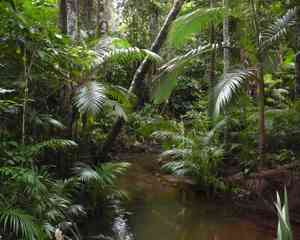
For Alexandra Palm, the ideal period for relocation is as warmer weather signals the conclusion of spring and the commencement of summer. Choose a location offering filtered light and effective water runoff. Should you be moving a more substantial plant, provide delicate support with a stake to ensure its steadiness.
What Preparations are Needed Before Transplanting Alexandra Palm?
What is the Ideal Time for Transplanting Alexandra Palm?
Move alexandra Palm in mid to late spring or early summer, when its growth is robust. This timing allows alexandra Palm to establish roots before winter, encouraging vigorous development. Ensuring it's settled during the warm seasons leads to a strong, flourishing alexandra Palm.
How Much Space Should You Leave Between Alexandra Palm Plants?
When preparing to relocate your alexandra Palm, remember to consider spacing. Maintain a distance of approximately 8-10 feet (2.4-3 meters) between plants to ensure they grow and thrive with adequate air circulation and related advantages.
What is the Best Soil Mix for Alexandra Palm Transplanting?
Your alexandra Palm prefers rich, well-draining soil. A soil foundation abundant in organic matter would be excellent. Before planting the alexandra Palm, it's beneficial to enrich the soil with a balanced slow-release fertilizer. This gives your alexandra Palm the best possible start.
Where Should You Relocate Your Alexandra Palm?
For optimal growth, place your alexandra Palm in an area where it will receive full sun exposure. This means a spot that gets sunlight for at least 6 hours daily. However, the alexandra Palm can also endure shaded locations, provided they receive partial sunlight throughout the day.
What Equipments Should You Prepare Before Transplantation Alexandra Palm?
Gardening Gloves
These are useful for protecting your hands while handling soil and plants.
Spade or Shovel
You will need a spade or a shovel to dig the soil when removing the alexandra Palm from its original spot and moving it to the new location.
Gardening Fork
A gardening fork is helpful for carefully extracting the plant from its container or loosening the ground soil.
Rootball Cloth or Bag
This will assist you in wrapping the plant's roots during the relocation process to prevent them from drying out.
Bucket or Wheelbarrow
To transport the plant from its old position to the new one.
Watering Can
To hydrate the plant after it has been transplanted.
How Do You Remove Alexandra Palm from the Soil?
How Do You Remove Alexandra Palm from the Soil?
From Ground: Begin by watering the alexandra Palm plant to saturate the surrounding soil. This can facilitate the removal process. Use a spade or shovel to dig a wide circle around the plant, ensuring the plant's root ball remains intact. Gently work the spade beneath the root ball to carefully lift the plant from its original spot.From Pot: Water the alexandra Palm plant before removal. After watering, gently tip the pot sideways while holding the base of the plant. If the plant doesn't come out, you might need to lightly tap the pot to loosen the soil and roots.From Seedling Tray: Lightly water the seedlings. Carefully hold the alexandra Palm plant by its stem, near the compost. Gently lift while supporting the root ball with a spoon or a dull knife, ensuring all roots are free from the tray section before removal.
Step-by-Step Guide for Transplanting Alexandra Palm
Preparation
Before starting the transplanting process, adequately water the alexandra Palm plant. This can help the plant better cope with the shock of relocation.
Prepare the planting hole
Dig a hole in the new spot. The hole should be twice the size of the root ball.
Transplant
Place the alexandra Palm into the hole, making sure it is planted at the same depth as it was in its previous location.
Settling In
Fill around the root ball with soil, gently firming as you go to eliminate any air pockets.
Watering
Once the plant has been positioned, thoroughly saturate the planting area with a watering can.
How Do You Care For Alexandra Palm After Transplanting?
Watering
Keep the soil around the alexandra Palm consistently moist for the initial weeks following transplanting. This aids in establishing strong roots.
Growth Monitoring
Closely observe your alexandra Palm plant after transplanting. Watch for any indications of transplant shock such as wilting, yellowing, and leaf drop.
Protection
Shield your newly transplanted alexandra Palm from direct sun, strong winds, or harsh weather for a few days after transplanting until it is well established.
Troubleshooting Common Issues with Alexandra Palm Transplantation.
When's the best time to transplant alexandra Palm?
The optimal period to transplant alexandra Palm is during the second to fourth seasons of growth, often referred to as late spring to early autumn.
What is the best distance apart to dedicate for each alexandra Palm I transplant?
To provide sufficient growing space for each alexandra Palm, ensure they are spaced approximately 8-10 feet (2.4-3 meters) apart. This will prevent overcrowding and enhance growth.
What type of soil works best for alexandra Palm transplantation?
Alexandra Palm thrives in sandy, well-draining soil. It prefers slightly acidic to neutral pH levels, offering the best conditions for healthy root development.
How deep should I plant the alexandra Palm during transplantation?
Plant alexandra Palm at the same depth it was previously growing. This depth typically ranges from 12 to 18 inches (30.4 to 45.7 cm), promoting optimal growth.
What's the best way to prepare the root ball for alexandra Palm transplantation?
Before transplanting, gently loosen the roots by slightly disturbing the root ball. Be careful not to damage them, thus encouraging better establishment in the new location.
Do I need to water alexandra Palm immediately after transplanting?
Absolutely, give alexandra Palm a thorough watering right after transplanting. This helps settle the soil around the root ball and secures the plant in its new environment.
In case of wilting after transplanting alexandra Palm, what should I do?
Wilting might indicate water stress. Ensure the soil drains well and water the alexandra Palm thoroughly. If wilting continues, consider temporarily shading the plant.
Do I need to stake alexandra Palm after transplanting?
Staking is crucial for taller specimens of alexandra Palm after transplanting. Stakes help provide stability while the roots anchor themselves into the new soil.
Can I fertilize alexandra Palm immediately after transplanting?
No, wait for 4-6 weeks after transplanting alexandra Palm before applying any fertilizer. Giving the plant ample time to settle helps prevent root burn from fertilizers.
What should I do if the transplanted alexandra Palm shows yellowing leaves?
Yellowing in alexandra Palm may suggest a nutrient deficiency, often iron. Apply a balanced slow-release fertilizer with trace elements, and ensure the soil pH is within an acceptable range.



