How to Transplant Pacific madrone?
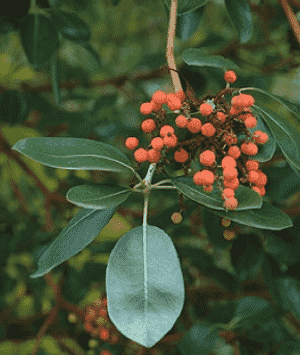
The most suitable period for relocating pacific madrone aligns with the gentle warmth of late spring extending into early summer, facilitating root development prior to the onset of cold weather. Confirm that pacific madrone are situated in adequately draining earth, exposed to full or partial sunlight. Perseverance is crucial – pacific madrone can be particular during transplantation.
What Preparations are Needed Before Transplanting Pacific Madrone?
What is the Ideal Time for Transplanting Pacific Madrone?
The prime period for relocating pacific madrone is during the pleasant days of late spring to early summer, ensuring a smooth transition to new surroundings. This timeframe offers pacific madrone optimal conditions for root development before the peak of summer heat; the mild weather supports successful acclimation, thereby improving survival and growth prospects. Utilize this transplanting window to give pacific madrone a strong start for thriving in its new home, aided by the season's balanced warmth and moisture.
How Much Space Should You Leave Between Pacific Madrone Plants?
When moving pacific madrone, ensure adequate spacing between each specimen. Ideally, allow approximately 15-25 feet (4.5-7.6 meters) of room. This enables root expansion and encourages healthier development.
What is the Best Soil Mix for Pacific Madrone Transplanting?
Your pacific madrone would thrive in rich, well-draining soil, preferably loam or sandy loam. It would be advantageous to enrich the soil with organic matter. A slow-release, granular, all-purpose fertilizer applied at planting will provide your plant with a robust beginning.
Where Should You Relocate Your Pacific Madrone?
Select a site for pacific madrone that receives full sun or partial shade. The plant enjoys sunlight but also benefits from some protection from intense afternoon rays. A spot that gets morning sun would be perfect!
What Equipments Should You Prepare Before Transplantation Pacific Madrone?
Gardening Gloves
To protect your hands while handling soil and plants.
Spade or Shovel
Required for digging holes and extracting the plant from its original spot.
Weeding Tool
Useful for removing roots or unwanted plants near the original location.
Watering Can or Hose
For hydrating the soil before and after moving the plant.
Wheelbarrow
To move the pacific madrone plant if it's large or heavy.
How Do You Remove Pacific Madrone from the Soil?
How Do You Remove Pacific Madrone from the Soil?
From Ground: Begin by watering the pacific madrone plant to dampen the soil. Next, dig a wide trench around the plant using a spade or shovel, making sure the root ball remains intact. Gradually work the spade beneath the root ball to gently detach the plant from its initial position.From Pot: Water the plant to moisten the root ball. Turn the pot on its side, hold the plant gently by its base, and attempt to slide it out. If it doesn't easily release, lightly tap the sides and bottom to loosen the soil and roots.From Seedling Tray: Water the seedling tray's soil and use a spoon or small implement to carefully lift the pacific madrone seedling out, ensuring the roots are not damaged.
Step-by-Step Guide for Transplanting Pacific Madrone
Prep the New Site
Start by thoroughly watering the area where the pacific madrone will be moved to ensure easy digging and help the plant settle into its new location. Then dig a hole twice as wide and as deep as the plant's root ball.
Plant Placement
Position the pacific madrone plant into the hole, making sure the top of the root ball is level with the surrounding soil. Avoid burying it too deeply as this can lead to stem rot.
Backfilling
Carefully refill the hole, gently firming the soil around the roots. Do not compact the soil too tightly to allow for proper air and water circulation.
Watering
After transplanting, water the pacific madrone plant thoroughly. Water slowly to ensure deep saturation.
How Do You Care For Pacific Madrone After Transplanting?
Regular Watering
Keep the soil around the pacific madrone consistently moist but not waterlogged for the initial two weeks post-transplant to aid in strong root establishment.
Monitoring
Periodically check for any indications of stress such as wilting, yellowing, or leaf drop. If observed, promptly address with appropriate care measures.
Mulching
To keep the root zone cool and moist, apply a layer of organic mulch around the pacific madrone, but keep it away from the stem to prevent rot.
Troubleshooting Common Issues with Pacific Madrone Transplantation.
What's the ideal time of year to transplant pacific madrone?
The optimal period for transplanting pacific madrone is from late summer to early fall (season 3-4). This allows the plant ample time to establish roots before spring growth.
What's the best soil type for transplanting pacific madrone?
Pacific madrone thrives in well-draining soil. They prefer soil rich in organic matter and with a slightly acidic pH. Always ensure the transplant site possesses these soil characteristics.
How to properly space pacific madrone during transplantation?
Provide a generous area around each pacific madrone, typically ranging from 15 to 25 feet (4.5-7.6 meters) apart. This supports their growth by reducing competition for nutrients and light.
What is the watering routine for pacific madrone post-transplant?
Following transplantation, pacific madrone requires consistent watering until roots are established. After establishment, they are drought-tolerant. Moderation is crucial to prevent overwatering and root rot.
What are the first signs if pacific madrone didn't take to the transplant well?
Indicators of transplant shock in pacific madrone include wilting, yellowing, or scorched leaves. Overwatering can lead to root rot. If noticed, adjust your care routine accordingly.
How deep should I dig the hole for transplantation of pacific madrone?
The hole should be twice as wide as the root ball of your pacific madrone and of equal depth. This ensures the roots have sufficient space to spread and grow.
What's the right method to handle roots while transplanting pacific madrone?
Handle roots of pacific madrone gently. Spread them out in the hole before covering them. Prune any damaged or crossing roots prior to transplantation to encourage healthy growth.
How important is sunlight for a recently transplanted pacific madrone?
Pacific madrone enjoys full sunlight to partial shade. Newly transplanted plants should be shielded from harsh midday sun to prevent scorching. Gradual exposure to sun is beneficial.
Should I fertilize pacific madrone after transplantation?
While not immediately necessary post-transplant, pacific madrone benefits from a balanced, slow-release fertilizer in the subsequent growing season. Excessive fertilizer can harm your plant, so moderation is essential.
Could pests be a problem after transplanting pacific madrone?
Pacific madrone is generally resistant to pests. However, stress from transplantation can make them vulnerable. If pests are observed, utilize environmentally friendly pest control options.



