How to Transplant Wild sarsaparilla?
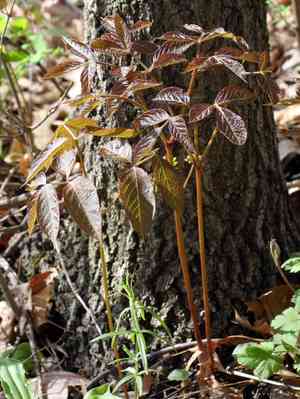
For wild sarsaparilla, the ideal time for relocation is from late spring to early summer's warmth, since roots develop most effectively in mild conditions. Select a location with partial shade, well-aerated soil, and rich organic material to foster robust development.
What Preparations are Needed Before Transplanting Wild Sarsaparilla?
What is the Ideal Time for Transplanting Wild Sarsaparilla?
The best time to move wild sarsaparilla is from late spring to early summer. This period offers mild temperatures and plenty of rain, which helps roots grow strong. Transplanting wild sarsaparilla then ensures it has a good growing season ahead, with long, sunny days for photosynthesis and enough time to get used to its new home before winter. A friendly reminder: successful transplantation during this active growth phase can lead to healthier plants and better resistance to pests and diseases. Proper timing helps wild sarsaparilla thrive in its new spot!
How Much Space Should You Leave Between Wild Sarsaparilla Plants?
For wild sarsaparilla, pay close attention to spacing! A distance of 2-3 feet (60-90 cm) between each plant is ideal. This spacing encourages healthy development and allows them room to spread.
What is the Best Soil Mix for Wild Sarsaparilla Transplanting?
Wild sarsaparilla prefers loamy and well-drained soil. A good way to prepare the soil is to mix in a base fertilizer to enrich it. This will provide all the nutrients wild sarsaparilla needs to flourish!
Where Should You Relocate Your Wild Sarsaparilla?
Choosing the perfect spot for wild sarsaparilla is essential! It prefers a location with partial sunlight. So, find a place with a mix of sun and shade, and wild sarsaparilla will be quite content!
What Equipments Should You Prepare Before Transplantation Wild Sarsaparilla?
Gardening Gloves
To shield your hands from harm while working with the soil and wild sarsaparilla plant.
Trowel
To excavate the plant from its original site without harming the roots.
Spade
To dig the hole in the new location where the wild sarsaparilla will be replanted.
Gardening Fork
To properly loosen the soil in the new spot before moving the plant.
Watering Can/Hose
To hydrate the wild sarsaparilla before and after moving it to lessen transplant shock.
Mulch
To cover the ground after transplanting; this helps maintain soil moisture.
Pruning Shears
To trim off any damaged or diseased parts of the plant during the transplanting process.
How Do You Remove Wild Sarsaparilla from the Soil?
How Do You Remove Wild Sarsaparilla from the Soil?
From Ground: Begin by watering the wild sarsaparilla until the soil is damp but not waterlogged. Choose a cool, cloudy day to help minimize stress on the plant. Use a trowel to loosen the soil around the plant, then carefully dig a circle around the wild sarsaparilla's roots. Gently lift the wild sarsaparilla, ensuring not to damage the root system.From Pot: Water the plant thoroughly and allow it to drain. Now, carefully tilt the pot sideways and ease out the wild sarsaparilla using your hands, supporting the plant and its root system. If it's stuck, tap the bottom or sides of the pot to loosen it.From A Seedling Tray: Take a small tool, such as a spoon or a fork, and push it underneath the soil and seedling. Carefully lift it, trying to scoop up as much of the roots and surrounding soil as possible without breaking any roots.
Step-by-Step Guide for Transplanting Wild Sarsaparilla
Preparation
Ideally, choose a cool, cloudy day for transplanting. If not, early morning or late afternoon is also suitable to reduce the plant's sun exposure immediately after moving.
Site Preparation
Have the hole for the wild sarsaparilla already dug before starting the transplant. It should be 2-3 times as wide and the same depth as the root ball. Fill the base with a layer of composted organic matter.
Transplanting
Place the wild sarsaparilla in the hole. The top of the root ball should be level with the soil surface. Backfill with the original soil and gently firm it around the base of the plant.
Watering
After transplanting, water the wild sarsaparilla thoroughly.
Mulching
Finish by applying a layer of mulch around the plant, but ensure it doesn't touch the stem.
How Do You Care For Wild Sarsaparilla After Transplanting?
Watering
Water the wild sarsaparilla sufficiently but avoid overwatering. The soil should remain moist, not saturated, as it adapts to its new environment.
Pruning
Regularly prune off any damaged or diseased leaves or branches. This helps the wild sarsaparilla focus its energy on establishing itself in the new location.
Rechecking
Continuously check the wild sarsaparilla for signs of transplant stress like wilting, yellowing, or leaf drop. If you observe these signs, it might require more water, less sunlight, or protection from winds.
Pest Control
Monitor for pests and treat as necessary. Transplants may be more susceptible to pest issues initially.
Troubleshooting Common Issues with Wild Sarsaparilla Transplantation.
What is the best time of the year to transplant wild sarsaparilla?
The optimal time to transplant wild sarsaparilla is during the late summer to early autumn period (S3-S4).
What's the ideal spacing when planting wild sarsaparilla in a garden?
When transplanting wild sarsaparilla, maintain a distance of approximately 2-3 feet (0.6-0.9 meters) between each plant for optimal growth.
How do I prepare the soil for wild sarsaparilla transplantation?
Before transplanting wild sarsaparilla, enrich the soil with organic matter. Ensure the soil is loose and well-drained to promote root growth.
How deep should I plant wild sarsaparilla in the ground?
The holes for wild sarsaparilla should be as deep as their root ball plus a quarter. This provides room for the roots to expand.
What if the leaves of wild sarsaparilla start to wilt after transplantation?
Wilting indicates stress, often caused by insufficient watering. Provide consistent water until the wild sarsaparilla establishes itself in the new location.
How to water wild sarsaparilla after transplantation?
Be generous in watering wild sarsaparilla after transplanting and continue to provide regular watering until they start new growth.
Why is my transplanted wild sarsaparilla showing yellow leaves?
Yellow leaves could indicate a nutrient deficiency. Apply a balanced liquid fertilizer, making sure to follow the application instructions.
Should I prune wild sarsaparilla before transplantation?
Wild sarsaparilla does not require pruning before transplantation. However, if there are any unhealthy or damaged parts, remove them.
What kind of sunlight conditions does wild sarsaparilla require after transplantation?
Wild sarsaparilla thrives in a partially shaded area. Too much sunlight can dry out the transplanted wild sarsaparilla and impede its growth.
How to transplant wild sarsaparilla if it's growing in a pot?
Gently remove wild sarsaparilla from the pot, keeping the root ball intact. Dig a hole in the new location and place wild sarsaparilla inside, covering it with soil.



