How to Transplant Spikenard?
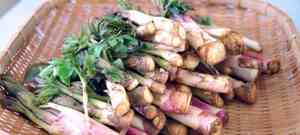
For spikenard, the optimal period for relocating is between mid-spring and late spring, or in early summer, which offers perfect conditions for development. Choose a location with ample shade and soil abundant in organic material. Careful manipulation ensures the roots remain undamaged.
Essential Preparations Before Relocating Spikenard?
Optimal Period for Spikenard Relocation?
The best time to move spikenard is from mid-spring to early summer. This period offers mild weather, aiding strong root development before intense heat. Transplanting then aligns with its natural growth cycle, avoiding peak summer stress. A successful move during this temperate season sets the stage for vigorous growth.
Required Spacing Between Spikenard Plants?
When moving spikenard, ensure ample room for growth. A general guideline is to maintain 1-2 feet (30.5-61 cm) between each plant. This provides sufficient space for spikenard to thrive without competing for nutrients and water.
Ideal Soil Blend for Spikenard Transplanting?
Spikenard prefers well-drained soil rich in organic material. Before transplanting, enrich the soil with a foundational fertilizer, ideally compost or aged manure. This promotes robust root growth and healthier plants.
Recommended Location for Your Spikenard?
Spikenard thrives in partial to full sun. Select a garden spot that receives ample sunlight but also offers some daytime shade. This prevents scorching from the midday sun while ensuring it gets necessary light for growth.
Equipment Needed Before Spikenard Transplantation?
Gardening Gloves
These not only keep hands clean but also shield them from minor cuts or injuries when handling plant roots and tools.
Shovel or Trowel
You'll need this to excavate the original plant and its root ball, and to prepare the new planting site.
Garden Fork
This implement assists in breaking up compacted soil.
Wheelbarrow or Bucket
Useful for transporting the plant from its initial spot to the new one.
Watering Can
This will be used for watering before and after the spikenard is transplanted.
Pruning Shears
You might need to trim any dead or damaged roots prior to transplanting.
How to Extract Spikenard from the Soil?
How to Extract Spikenard from the Soil?
From Ground: Start by lightly watering the spikenard to moisten the surrounding soil, making it easier to work with. Using a shovel or trowel, dig a wide, deep circular trench around the plant's root ball. Be careful not to damage the roots. Gently lift the plant by its base, aiming to keep the root ball as intact as possible.From Pot: Water the soil to facilitate root release. Invert the pot, support the spikenard at its base, and gently tap the pot's rim to loosen the plant. Avoid pulling the plant, as this can harm the roots. If it remains stuck, slide a knife between the pot and the root ball to free it.From Seedling Tray: Water the seedlings and use a fork or spoon to carefully lift each seedling by its root ball, ensuring no damage to the stem or leaves.
Step-by-Step Guide for Transplanting Spikenard
Transplant Preparation
Ensure your new site is ready and the soil is loosened before removing the spikenard from its original spot. Prepare a hole as deep and twice as wide as the plantâs root ball.
Plant Removal
Refer to the 'removal process' for instructions on how to extract spikenard from its original location, depending on whether it's from the ground, a pot, or a seedling tray.
Planting the Plant
Place the spikenard into the planting hole. Ensure the root ball is level with or slightly below the soil surface. Backfill the soil around the plant, gently tamping to remove air pockets.
Watering
After planting, water the spikenard generously immediately. This helps the roots settle into their new environment.
Post-Transplant Care for Spikenard?
Watering
Maintain consistent soil moisture, especially in the initial weeks after transplanting. However, avoid overwatering as spikenard does not prefer waterlogged soil.
Pruning
Remove any yellow or dried leaves that may appear post-transplant, as they can divert resources from root recovery. Light pruning can also encourage new growth.
Pest and Disease Inspection
Monitor for any indications of pests or diseases. Early detection can prevent more significant problems later on.
Patience
Do not anticipate immediate growth after transplanting. Spikenard might exhibit signs of transplant stress like wilting or leaf drop. Allow it time to acclimate to its new location.
Troubleshooting Common Spikenard Transplantation Issues.
When is the best time of year to transplant spikenard?
The optimal period for transplanting spikenard is typically between late spring and early autumn (S2 - S4).
What spacing is recommended for spikenard during transplanting?
For best growth, spikenard should be spaced approximately 1-2 feet (30-60 cm) apart when transplanted.
Should spikenard be trimmed before transplanting?
Yes, it's beneficial to cut spikenard back to about half its height before transplanting to minimize transplant shock.
What soil type is needed for spikenard when transplanting?
Spikenard thrives in well-draining soil rich in organic matter. Consider a blend of garden soil, compost, and peat moss.
How deep should I dig when transplanting spikenard?
Dig a hole roughly twice the size of spikenard's root ball, approximately 8-10 inches (20-25 cm) deep for proper placement.
Can spikenard be successfully transplanted in full sun?
Spikenard prefers partial shade but can tolerate full sun with adequate watering. Ensure it is well-hydrated after transplant.
What's the correct watering method for spikenard after transplanting?
Water spikenard thoroughly immediately after transplanting and keep the soil moist but not saturated for the first few weeks.
Is fertilization necessary after transplanting spikenard?
It's not immediately required. However, to encourage growth, consider a mild organic fertilizer about 4 weeks after transplanting.
How often should I water spikenard after transplanting?
In the initial weeks following spikenard transplantation, water it daily or every other day as the plant establishes.
How long does spikenard take to establish after transplanting?
Spikenard typically requires about 2-3 weeks to establish after transplanting. Be patient and provide consistent care!



