How to Transplant Manchurian spikenard?
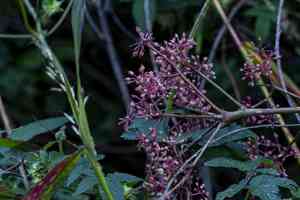
Manchurian spikenard is best relocated from the beginning to the end of spring, as the ground warms, to encourage root development. Select a site with good drainage and partial sun exposure. Maintain consistent soil dampness to aid successful acclimation.
What Preparations are Needed Before Transplanting Manchurian Spikenard?
What is the Ideal Time for Transplanting Manchurian Spikenard?
Manchurian spikenard, a perennial, is best moved from early to late spring. During this prime period, the plant benefits from milder temperatures and increased humidity, which aid root establishment. This timing ensures strong growth and improves overall plant health, minimizing transplant shock and encouraging vigorous development.
How Much Space Should You Leave Between Manchurian Spikenard Plants?
When relocating manchurian spikenard, ensure each plant is spaced 36-48 inches (90-120 cm) apart. This provides ample room for them to grow and flourish without becoming overcrowded.
What is the Best Soil Mix for Manchurian Spikenard Transplanting?
For manchurian spikenard, prepare the ground by selecting a well-draining loamy soil. Incorporate some compost or a balanced base fertilizer to enrich the soil and supply nutrients for robust growth.
Where Should You Relocate Your Manchurian Spikenard?
Choose a site that receives full sun to partial shade for your manchurian spikenard. They thrive best with 4-6 hours of sunlight daily, ensuring healthy development and vibrant growth.
What Equipments Should You Prepare Before Transplantation Manchurian Spikenard?
Gardening Gloves
To safeguard your hands while handling soil and plants.
Shovel or Spade
For excavating the plant from its original spot and creating a new hole.
Trowel
For more precise digging and moving soil around delicate root systems.
Watering Can or Hose
For thoroughly hydrating the plant before and after relocation.
Mulch
To help maintain moisture and shield the plant's roots after transplanting.
How Do You Remove Manchurian Spikenard from the Soil?
How Do You Remove Manchurian Spikenard from the Soil?
From Ground: First, hydrate the manchurian spikenard plant to moisten the soil. Next, dig a wide trench around the plant using a shovel or spade, ensuring the plant's root ball stays intact. Carefully work the spade beneath the root ball to lift the plant from its initial location.From Pot: Water the manchurian spikenard plant thoroughly beforehand. Gently tilt the container and tap around the edges to loosen the plant. Carefully slide it out, supporting the root ball with one hand.From Seedling Tray: Water the seedlings and gently use a trowel or your hands to lift each seedling, taking care to keep the roots and attached soil ball undisturbed.
Step-by-Step Guide for Transplanting Manchurian Spikenard
Prepare the New Site
Dig a hole twice as wide and equally deep as the root ball of your manchurian spikenard.
Amend the Soil
Mix some compost or organic matter into the excavated soil to boost nutrients and improve drainage.
Place the Plant
Carefully position the manchurian spikenard plant into the hole, ensuring it sits at the same depth it was growing previously.
Backfill the Hole
Fill the hole with the amended soil, gently pressing the soil down around the plant's base to eliminate air pockets.
Water Thoroughly
Water the manchurian spikenard plant generously to help settle the soil around the roots.
How Do You Care For Manchurian Spikenard After Transplanting?
Watering
Keep the soil around the manchurian spikenard consistently moist, but not waterlogged, for the initial weeks after transplanting to aid in strong root establishment.
Mulching
Apply a layer of mulch around the plant's base to retain moisture and regulate soil temperature.
Monitoring
Regularly check the plant for signs of stress, such as wilting or yellowing leaves, and water as needed.
Staking
If the manchurian spikenard plant appears top-heavy or unstable, consider using stakes to support it until it can stand independently.
Troubleshooting Common Issues with Manchurian Spikenard Transplantation.
When is the best time to transplant manchurian spikenard?
Early spring to late spring is the ideal period to relocate manchurian spikenard for optimal development.
How much space should be between each manchurian spikenard?
Ensure a distance of 36-48 inches (91-122 cm) between each manchurian spikenard to allow for proper growth.
How do I prepare the soil for manchurian spikenard?
Loosen the soil to a depth of 12-15 inches (30-38 cm) and incorporate organic compost.
What should I do if my manchurian spikenard looks wilted after transplanting?
Maintain consistent moisture and avoid waterlogged soil to help wilting manchurian spikenard recover post-transplant.
How deep should I plant the manchurian spikenard root ball?
Plant the root ball of manchurian spikenard at the same depth it was growing previously to prevent stress.
Why are my manchurian spikenard leaves turning yellow?
Yellow leaves on manchurian spikenard may indicate over-watering or nutrient deficiency; adjust care accordingly.
How do I prevent transplant shock in manchurian spikenard?
Water thoroughly and keep soil consistently moist to reduce transplant shock in manchurian spikenard.
Can I transplant manchurian spikenard if it's flowering?
It's best to avoid relocating manchurian spikenard during flowering to reduce stress and ensure better adaptation.
What type of mulch is best for manchurian spikenard post-transplant?
Apply organic mulch like straw or wood chips around manchurian spikenard to retain moisture and suppress weeds.
How often should I water manchurian spikenard after transplanting?
Water manchurian spikenard deeply once a week, adjusting frequency based on weather and soil conditions.



