How to Transplant Peanut?
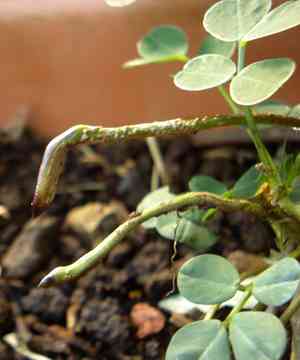
The optimal period for relocating peanut is throughout the pleasantly warm months of late spring and late summer, as it flourishes in these conditions. For peak development, select a bright spot with soil that drains effectively. Ensure you carefully untangle the roots during the transplanting process for the best outcome. Enjoy your gardening!
What Preparations are Needed Before Transplanting Peanut?
What is the Ideal Time for Transplanting Peanut?
Moving peanut from late spring to the close of summer is ideal, as this period offers prime growing conditions. This timing allows peanut to benefit from the warm temperatures and extended daylight hours necessary for robust development. Planting then helps ensure successful transplantation, boosts germination, and results in a flourishing peanut.
How Much Space Should You Leave Between Peanut Plants?
For peanut, aim for a transplant spacing of 8-12 inches (20-30 cm) apart to give these plants ample room to grow and thrive in your garden.
What is the Best Soil Mix for Peanut Transplanting?
Prepare your soil for peanut by using a well-draining, loamy soil enriched with aged manure or compost as your base. Adding a slow-release fertilizer provides essential nutrients.
Where Should You Relocate Your Peanut?
Select a transplanting location for peanut that receives at least 6 hours of direct sunlight daily. Full sun exposure will help these plants flourish and produce abundant pods.
What Equipments Should You Prepare Before Transplantation Peanut?
Gardening Gloves
To protect your hands when handling soil and the peanut plant.
Shovel
To excavate a hole in the ground where you will relocate the peanut plant.
Watering Can
For hydrating the peanut plant in its original spot and after relocation.
Buckets or Pots
To temporarily hold the peanut seedlings when transferring them from their initial location.
How Do You Remove Peanut from the Soil?
How Do You Remove Peanut from the Soil?
From Ground: Begin by watering the peanut plant to soften the soil, making it easier to work with. Next, use your shovel to dig around the plant, ensuring to account for the estimated root system size to keep it intact. Carefully lift the plant from the excavated hole.From Pot: Similarly, water the peanut plant in its pot, then gently turn the pot sideways and with a slight tap, the plant should slide out with the soil and roots undisturbed. Be cautious with the root ball.From Seedling Tray: Fill the tray with water and let it soak briefly. Subsequently, invert the tray and gently pat the bottom; this should dislodge the peanut seedlings, taking care not to harm the young plants.
Step-by-Step Guide for Transplanting Peanut
Preparation
Prepare the chosen site in your garden by using a shovel to dig a hole twice as wide and the same depth as the root ball of your peanut plant.
Placement
Place the peanut plant into the hole, ensuring that the root ball is level with the ground surface. Backfill the hole with soil, firming it carefully around the plant.
Watering
Water the area thoroughly straight away. This will help settle the soil around the plant's roots and create a good initial growing environment.
Mulching
Protect your peanut plant by laying a 2-3 inch layer of mulch around the base. This helps to preserve soil moisture and suppress weed growth.
How Do You Care For Peanut After Transplanting?
Watering
Regularly checking the soil's moisture level, especially during the first two weeks, is crucial. Although the peanut plant prefers drier soil, ensure it doesn't completely dry out.
Weed Control
Periodically inspect for and remove any weeds around the peanut, as they can hinder nutrient absorption.
Protection from Pests and Diseases
Monitor your peanut plant for any signs of pests or disease. You might need to apply a pesticide or organic pest control if infestations occur.
Pruning
While peanut is generally low-maintenance, occasional pruning helps maintain its shape and control its size.
Troubleshooting Common Issues with Peanut Transplantation.
When's the perfect time of the year to transplant peanut?
Relocate peanut from the end of spring until the close of summer for optimal growth conditions.
How much distance should I keep between peanut plants when I transplant them?
Ensure each peanut has ample space to spread by positioning them approximately 8-12 inches (20-30 cm) apart.
Why does my peanut have yellow leaves after transplanting?
Yellow leaves on peanut post-transplant can indicate a nitrogen deficiency. Consider applying a balanced fertilizer to aid its recovery.
Can I transplant peanut indoors then move outdoors?
Yes, ensure peanut has gradually acclimated before moving outdoors to prevent shock. Slowly expose it to outdoor conditions over a week.
How much should I water peanut after transplanting?
Thorough watering at planting time is often sufficient, as {N} has good drought tolerance. Only water if the soil becomes excessively dry.
Is it necessary to prune peanut after transplanting?
No, you should not prune peanut post-transplant. This can stress the plant. Only remove any dead or yellowing leaves.
Can I transplant peanut in containers?
Yes, peanut can be transplanted into containers. Just ensure the container is deep enough for the plant's root system and has drainage holes.
Why is my newly transplanted peanut wilting?
Wilting can be a symptom of transplant shock. Keep the soil moist but not waterlogged, provide some shade, and avoid fertilizers until recovery.
Why does my transplanted peanut have slow growth?
Slow growth after transplanting could be due to shock or poor soil conditions. Amend the soil with organic matter to enhance its nutrient availability.
How to treat peanut with brown spots after transplanting?
Brown spots may signal a disease or pest infestation. Implement appropriate control measures, such as pruning affected parts and applying organic or chemical fungicides if needed.



