How to Transplant Red columbine?
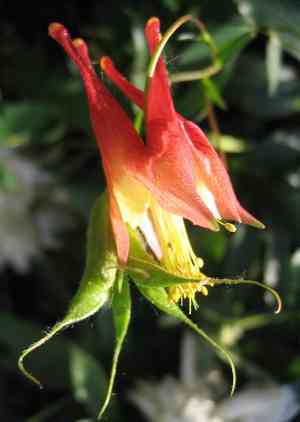
The ideal period for relocating red columbine is in early spring or from mid-autumn to late autumn, when the plant's development is comparatively reduced. Select a site offering partial shade and soil that drains effectively. Carefully loosen the root mass during transplantation to foster robust growth.
What Preparations are Needed Before Transplanting Red Columbine?
What is the Ideal Time for Transplanting Red Columbine?
The optimal period for relocating red columbine is early spring or from mid-autumn until winter's onset. These times offer suitable conditions for red columbine's root development. By moving them during these windows, you can ensure red columbine establishes well and grows robustly. Remember to proceed with care and precision!
How Much Space Should You Leave Between Red Columbine Plants?
For red columbine, providing adequate room for growth is crucial. A general guideline is to transplant them approximately 12-18 inches (30-46 cm) apart. This spacing allows them ample area to expand and thrive.
What is the Best Soil Mix for Red Columbine Transplanting?
To guarantee healthy growth for red columbine, prepare the soil with a well-draining mixture and enrich it with a substantial amount of organic compost or aged manure. This supplies the necessary nutrients within an appropriate soil environment.
Where Should You Relocate Your Red Columbine?
When choosing a new spot for red columbine, select an area that receives full sun to partial shade. This ensures they get sufficient sunlight while also being shielded from intense, direct sun during the warmest part of the day.
What Equipments Should You Prepare Before Transplantation Red Columbine?
Gardening Gloves
To safeguard your hands while handling soil and red columbine.
Shovel or Spade
For excavating and removing earth around the plant, ensuring the root ball remains intact.
Garden Trowel
For digging smaller holes, such as those required for pot or seedling tray transfers.
Garden Hose or Watering Can
To hydrate the red columbine before and after its relocation.
Wheelbarrow or Container
To move the red columbine and its accompanying soil.
Garden Fork
To gently loosen the soil surrounding the plant, especially if moving from the ground.
How Do You Remove Red Columbine from the Soil?
How Do You Remove Red Columbine from the Soil?
From Ground: First, moisten the soil around the red columbine. Then, use a shovel or garden fork to dig a wide trench around the plant, taking care to disturb the root ball as little as possible. Carefully work the spade beneath the root ball to lift the plant from its original spot.From Pot: Begin by watering the plant. Next, turn the pot on its side and gently extract the red columbine by holding the base of its stem. Avoid pulling from the top of the plant to prevent damage.From Seedling Tray: Water the seedlings in the tray and use a garden trowel to carefully lift each seedling from its compartment, ensuring the root structure is well preserved.
Step-by-Step Guide for Transplanting Red Columbine
Preparation
Prepare the new location by digging a hole that is twice the width and the same depth as red columbine's root ball. Form a soil mound in the center of the hole for the root ball to rest upon.
Placement
Position the red columbine in the middle of the hole, making sure the top of the root ball is level with the ground surface. Then, carefully spread the roots over the soil mound.
Filling
Gently backfill the hole with the excavated soil, ensuring the plant stands upright.
Watering
Water the red columbine generously after planting to settle the soil around its roots.
How Do You Care For Red Columbine After Transplanting?
Temperature
Red columbine should ideally be moved during cooler weather to minimize transplant shock.
Watering
After transplanting, irrigate the red columbine at least once weekly for the initial season. Always adjust based on weather conditions.
Mulching
Apply a layer of mulch around the red columbine to help retain soil moisture and stabilize soil temperatures.
Pruning
Remove any dead or dying foliage after transplanting to help the red columbine direct its energy towards new growth.
Monitoring
Keep a close watch for pests, diseases, or any indications of stress such as wilting or discoloration.
Troubleshooting Common Issues with Red Columbine Transplantation.
When's the best time to transplant red columbine?
The ideal period to move red columbine is at the onset of spring or from mid-fall to late fall. These times provide the most favorable growing conditions for the plant.
What's the suggested space between red columbine during transplantation?
When relocating red columbine, aim for a separation of approximately 12-18 inches (30-45 cm). This spacing encourages better growth and reduces competition for resources.
What precautions should I take while handling red columbine roots during transplantation?
Handle red columbine roots with care. Ensure they do not dry out during the transplant process and try to preserve as much of the root ball as possible for optimal recovery.
What kind of soil should I use to transplant red columbine?
Red columbine thrives in well-draining, fertile soil. Amend your soil with organic matter to enhance its fertility and drainage properties, supporting your plant's health.
What should I do if red columbine wilts after transplanting?
Do not be alarmed if red columbine shows some wilting post-transplant; it's likely due to relocation stress. Consistent watering and shade can aid its swift recovery.
How deep should I dig the hole for transplanting red columbine?
The hole should be sufficiently deep and wide to accommodate the entire root system of red columbine, typically about the same depth as the roots' length.
What should I do after transplanting red columbine?
After moving red columbine, water it thoroughly to settle the soil around its roots. Also, consider adding a layer of mulch to conserve moisture.
Should I prune red columbine before transplanting?
Pruning before transplanting is not essential for red columbine. However, if the plant is large, reducing its size can lessen transplant shock.
What should I do if red columbine doesn't flower after transplantation?
Patience is key. Red columbine may require time to recover and adapt after transplanting. Regular care and optimal conditions will encourage blooming in due course.
Do red columbine require any specific feeding after transplantation?
A balanced slow-release fertilizer can be beneficial post-transplant. However, red columbine is largely self-sufficient, and excessive feeding might cause more harm than good.



