How to Transplant Spreading dogbane?
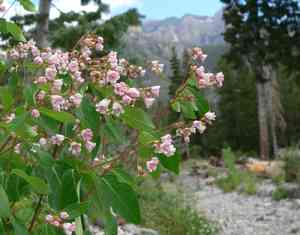
The most favorable period for relocating spreading dogbane is mid-spring, capitalizing on vigorous growth phases. Choose locations that receive full sun to partial shade and possess good drainage to foster health. A helpful tipâcareful manipulation of the root system aids in successful re-establishment.
Essential Preparations Before Relocating Spreading Dogbane?
Optimal Timing for Spreading Dogbane Relocation?
The best period for moving spreading dogbane is from mid to late spring. During this time, mild temperatures and ample moisture provide ideal conditions for roots to take hold. Transplanting spreading dogbane then minimizes shock and promotes better growth. This timeframe offers the best chance for your spreading dogbane to thrive in its new spot!
Recommended Spacing Between Spreading Dogbane Plants?
When relocating spreading dogbane, ensure each plant is spaced 2-3 feet (60-90 cm) apart. This provides sufficient room for development, promoting optimal health and growth for your plants.
Ideal Soil Blend for Spreading Dogbane Transplanting?
For spreading dogbane, well-draining soil is crucial. Incorporate organic matter, such as compost, into garden soil or potting mix to enrich it. A balanced 10-10-10 fertilizer supplies essential nutrients to jumpstart the plant's growth.
Choosing a New Location for Your Spreading Dogbane?
Sunlight is vital for spreading dogbane. Select a sunny to partly-shady spot where your plant will receive 3-6 hours of daily sunlight. More light generally leads to better growth. Happy planting!
Equipment Needed Before Transplanting Spreading Dogbane?
Gardening Gloves
To protect your hands from any potential thorns or splinters that could cause injury during the transplanting process.
Shovel
A tool necessary for excavating the hole in the ground, to properly accommodate the plant and its root system.
Gardening Spoon or Trowel
Useful for handling smaller plants, or for clearing any debris around the root area.
Pruning Shears
To trim any damaged or excess roots of spreading dogbane in preparation for its relocation.
Watering Can or Hose
To hydrate the soil before and after moving spreading dogbane, ensuring the plant is adequately moisturized.
Wheelbarrow or Pot
A device that will enable you to transport the plant from its original spot to the new transplant site without harm.
Garden Fork
Helpful for loosening and aerating the soil at the new planting location.
How to Extract Spreading Dogbane from the Soil?
How to Extract Spreading Dogbane from the Soil?
From Ground: First, water the spreading dogbane plant at its current location to moisten the soil, making excavation easier. Next, use a shovel to dig a trench around the plant, being careful not to harm its root system. Dig as deep and wide as the plant's root mass, minimizing disturbance to the root ball. Gently work your shovel or spade beneath the root ball. Once the root system is free from the ground, you can carefully lift spreading dogbane by its base.From Pot: If removing spreading dogbane from a pot, begin by watering the plant. This will lubricate the soil and simplify the removal process. Gently tilt the pot sideways, supporting the topsoil with your other hand to keep it with the plant. In most cases, the plant should slide out with its soil and roots intact. If not, you may need to tap the pot to loosen it.From Seedling Tray: For a seedling tray, water the seedlings before transplanting. This will help the soil cling to the seedling. Gently pull up the seedling by pinching the stem between your thumb and forefinger. Be extremely cautious not to damage the delicate roots. Use a gardening spoon if extra care is needed.
Detailed Guide for Transplanting Spreading Dogbane
Preparation
Start by preparing the new location for spreading dogbane. Dig a hole deep enough for the root ball and roughly twice its width. Loose soil at the bottom of the hole will allow the plant's roots to spread easily.
Placing the Plant
Next, position your spreading dogbane in the hole. The top of its root ball should be level with the soil surface. Ensure spreading dogbane is upright in the hole.
Soil Back-filling
Refill the hole with the excavated soil around the plant, gently pressing it down around the base of spreading dogbane to eliminate air pockets, but avoid compacting it too tightly.
Watering
Water the plant generously immediately after transplanting. This will help the soil settle around the plant's roots and reduce transplant shock.
Post-Transplant Care for Spreading Dogbane
Watering
After relocating spreading dogbane, water it consistently to help it establish in its new spot. However, be careful not to overwater to prevent waterlogging, which can lead to root rot.
Pruning
Trim the leaves of spreading dogbane to minimize water loss. It's common for some leaves to wilt or yellow after transplanting; just monitor the plant's overall health.
Monitor
Closely observe the plant for several weeks post-transplant. Look for any signs of stress, such as wilting, yellowing, or dropping leaves. If you notice these symptoms, try adjusting the watering schedule or seek expert advice.
Addressing Common Issues with Spreading Dogbane Transplantation.
When is the best time to transplant spreading dogbane?
The ideal period to transplant spreading dogbane is during the 'S2-S3' season, also known as late spring to early summer, after the plant has finished its dormant phase.
What is the primary consideration when choosing a new location for spreading dogbane?
Select a site that receives ample sunlight and has well-draining soil. Also, consider areas where the plant can spread out, as it tends to grow horizontally.
What is the appropriate distance to maintain between two spreading dogbane plants during transplanting?
A safe distance to keep between two spreading dogbane plants when transplanting is approximately 2-3 feet (60-90 cm). This provides adequate room for healthy growth.
How deep should the hole be when planting spreading dogbane?
The hole should be twice as wide and as deep as the root ball of the spreading dogbane. This creates an optimal environment for root establishment.
What type of soil does spreading dogbane require?
Spreading dogbane is not particular about soil types, but it does need well-draining soil. Amend the planting site with compost to enhance soil fertility for better transplanting outcomes.
Do I need to water spreading dogbane immediately after transplanting?
Yes, immediate watering is crucial after transplanting spreading dogbane to moisten the roots and keep the plant hydrated. However, avoid overwatering to prevent root rot.
Should I trim spreading dogbane during the transplantation process?
It's beneficial to trim back the foliage of spreading dogbane to reduce stress. This will redirect the plant's energy towards root development instead of supporting a full canopy of leaves.
Do I have to stake spreading dogbane during the initial stages after transplanting?
Staking is not necessary for spreading dogbane. It is a robust plant that spreads horizontally rather than vertically. However, for aesthetic reasons, you might want to control its growth.
Should I add fertilizer when transplanting spreading dogbane?
Instead of synthetic fertilizers, enrich the transplant hole with organic compost to stimulate growth. Remember, spreading dogbane is not a heavy feeder, so excessive fertilization is unnecessary.
How can I help spreading dogbane recover from transplant shock?
To aid spreading dogbane in recovering from transplant shock, water it thoroughly, initially place it in a shaded area, and avoid immediate feeding to prevent complicating its adjustment.



