How to Transplant Wild celery?
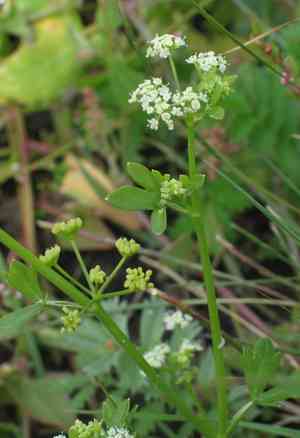
For optimal outcomes with wild celery, relocate it during the ideal period of early to mid-spring. This timeframe guarantees peak development, given that the plant flourishes in cooler environments. Select a site featuring fertile, well-draining earth, and provide consistent watering. Enjoy your transplanting!
What Preparations are Needed Before Transplanting Wild Celery?
What is the Ideal Time for Transplanting Wild Celery?
The optimal period to move wild celery spans from early to mid-spring. This timeframe provides an ideal setting for its development. Relocating wild celery during this prime window offers benefits such as renewed growth and enhanced resistance to pests and diseases. The advantage of this timing cannot be overstated; the plant gains a head start for growth and ample opportunity to establish itself before summer. A helpful tip, friends, select this season to give your wild celery the best possible beginning.
How Much Space Should You Leave Between Wild Celery Plants?
When relocating wild celery, ensure plants are spaced approximately 8-12 inches (20-30 cm) apart. This spacing allows ample room for growth and guarantees proper air circulation.
What is the Best Soil Mix for Wild Celery Transplanting?
For wild celery, select well-draining soil with a loamy consistency, and incorporate a balanced, slow-release fertilizer to give the plants a robust start. This creates the perfect environment for their development.
Where Should You Relocate Your Wild Celery?
Choose a location for wild celery that offers full sun to partial shade. They will thrive in a spot receiving at least 6 hours of daily sunlight to promote healthy and strong growth.
What Equipments Should You Prepare Before Transplantation Wild Celery?
Garden Trowel
A trowel is a crucial tool for digging holes and moving soil. You'll use it to both extract wild celery from its original spot and create space for it in the new location.
Gardening Gloves
These will keep your hands clean and protected from any potential irritants present in the soil.
Watering Can
Immediately after transplanting, you'll need to water wild celery to help it settle into its new location and minimize transplant shock.
Mulch
Applying mulch around the plant's base will help retain moisture and deter weed growth.
How Do You Remove Wild Celery from the Soil?
How Do You Remove Wild Celery from the Soil?
From Ground: The best time to extract wild celery from the ground is in the early morning or late afternoon, when temperatures are lower and less stressful for the plant. First, water it to ensure the soil is damp. This helps the roots stay together during the move. Then, use a trowel to carefully dig around the outer edge of the main leaf cluster, making sure you're far enough out to avoid damaging the roots. Once the earth around it is loosened, gently lift the plant and its root ball from the soil.From Pot: Water wild celery and allow the water to drain completely. Then, tilt the pot sideways and carefully pull out the plant while supporting its base. If the plant is severely root-bound, you might need to cut the pot.From Seedling Tray: Water the tray and use a small utensil, such as a spoon, to gently ease each wild celery seedling out of its cell, taking care not to harm the roots or leaves.
Step-by-Step Guide for Transplanting Wild Celery
Preparing the Ground
Carefully remove any weeds or unwanted debris from the transplanting area. Then, using your trowel, dig a hole that is roughly twice the width of wild celery's root ball and of equal depth.
Settling in wild celery
Gently place wild celery into the hole, ensuring that the top of the rootball is level with the ground surface.
Filling the Hole
Fill the hole with the soil you removed, gently pressing it around the root ball to secure wild celery in place.
Watering
Thoroughly water wild celery after the transplant process to settle the soil and reduce transplant shock.
Adding Mulch
Finally, apply a thin layer of mulch around the plant to help the soil retain moisture and prevent weed growth.
How Do You Care For Wild Celery After Transplanting?
Watering
The soil surrounding wild celery should be kept consistently moist but not waterlogged. For the initial few weeks after transplanting, water it regularly, then gradually decrease the frequency as the plant establishes itself. Care is needed to ensure the plant doesn't dry out but isn't overwatered to prevent rot.
Monitoring
Keep a close watch on wild celery for signs of transplant shock, such as wilting or yellowing leaves. If these appear, the plant may require more frequent watering or protection from intense midday sun.
Pruning
To encourage more vigorous growth, you could prune wild celery approximately one month after transplanting – but only if the plant has fully recovered from any potential transplant shock and is growing well.
Troubleshooting Common Issues with Wild Celery Transplantation.
When is the best time to transplant wild celery?
The ideal period to relocate wild celery is from the beginning of spring to mid-spring.
What is the recommended spacing for wild celery after transplantation?
Wild celery needs ample room to grow. Ensure you provide about 8-12 inches (20-30 cm) of space between each plant.
How should I prepare the soil for wild celery's transplantation?
Prepare a suitable potting mix that is fertile, rich in organic matter, and drains effectively. Ensure the soil pH is between 6.0 and 7.0 for optimal growth.
What should I consider about the plant's roots while transplanting wild celery?
Prevent root damage by avoiding unnecessary handling. Make sure the root-ball is moist and intact before transplantation.
Why are my transplanted wild celery wilting?
Wild celery may wilt after transplantation due to stress. Consistent watering and shading from strong sunlight can aid its recovery.
How frequently should I water wild celery after transplanting?
Water wild celery daily during the first week following transplantation. Afterward, you can reduce watering to when the topsoil feels dry.
Does wild celery require pruning after transplanting?
Pruning is not typically necessary after transplanting wild celery. Focus on providing sufficient water and nutrients to support their growth.
Why does wild celery have yellow leaves after transplanting?
Yellow leaves might indicate overwatering or a lack of nutrients. Double-check your watering schedule and consider adding a balanced fertilizer.
Can I transplant wild celery which is already flowering?
It's preferable if wild celery is not flowering at the time of transplantation. However, if it is, careful handling and minimal root disturbance can help it survive.
Do I need to add a support structure while transplanting wild celery?
Wild celery typically does not require support as it grows. However, if it begins to lean or shows signs of instability, consider using a small stake for support.



