How to Transplant Garden snapdragon?
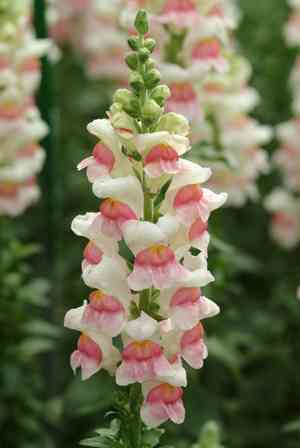
The optimal period for relocating Antirrhinum majus is during the initial to middle stages of spring, as the ground begins to warm. Select a bright spot for your Antirrhinum majus and confirm the soil drains effectively. Exercise caution during the transfer process to prevent harm to the fragile root system. Enjoy your gardening!
What Preparations are Needed Before Transplanting Garden Snapdragon?
What is the Ideal Time for Transplanting Garden Snapdragon?
The optimal period to move garden snapdragon is from early to mid-spring, providing an excellent start. During this time, the ground is adequately thawed and moist, creating an ideal environment for garden snapdragon's roots to establish comfortably. Transplanting garden snapdragon then not only promotes stronger development but also encourages abundant blooms for the upcoming warm season. This advice aims to ensure garden snapdragon flourishes and thrives!
How Much Space Should You Leave Between Garden Snapdragon Plants?
When transplanting garden snapdragon, maintain a spacing of approximately 12 inches (30 cm) between each plant, allowing ample room for their growth and prosperity.
What is the Best Soil Mix for Garden Snapdragon Transplanting?
Prepare the soil with a well-draining mixture, such as a combination of loam and compost. Incorporate a slow-release, balanced fertilizer (e.g., 10-10-10) to supply essential nutrients for garden snapdragon.
Where Should You Relocate Your Garden Snapdragon?
Select a site that receives full sunlight (at least 6 hours daily) or partial shade for garden snapdragon. This will aid in their robust, healthy growth and the production of beautiful flowers.
What Equipments Should You Prepare Before Transplantation Garden Snapdragon?
Gardening Gloves
To safeguard your hands while handling soil and garden snapdragon.
Shovel or Garden Trowel
For digging and moving earth; a smaller trowel might be better for extracting garden snapdragon from a pot or seedling tray.
A Watering Can or Hose
This will be used to moisten the soil, facilitating plant removal and for post-transplant watering.
Wheelbarrow or Plant Pot
To transport the garden snapdragon from its original spot to the new planting area.
Garden Knife
Useful for separating roots if garden snapdragon is container-grown or root-bound.
Plant Marker (optional)
Convenient for labeling garden snapdragon, especially if you have various plants in your garden.
How Do You Remove Garden Snapdragon from the Soil?
How Do You Remove Garden Snapdragon from the Soil?
From Ground: First, water the garden snapdragon plant to moisten the soil, making it easier to extract. Then, using a shovel or garden trowel, carefully dig around the garden snapdragon, ensuring the plant's root ball remains intact.From Pot: For potted garden snapdragon, begin by watering the plant thoroughly. Invert the pot while supporting the garden snapdragon at its base. Gently tap the pot's bottom until the plant slides out, taking care to protect its root system.From Seedling Tray: Water the seedling tray, then use a garden knife or similar tool to carefully loosen the soil around the garden snapdragon. Hold the plant's base, applying an upward pull to lift it from the tray.Remember to handle the plant delicately during removal to prevent damage to its roots or stem.
Step-by-Step Guide for Transplanting Garden Snapdragon
Preparation
Prepare the new planting site by clearing any weeds and debris. Dig a hole that is at least twice the width of the garden snapdragon's root ball but no deeper than its original planting depth.
Placement
Gently position the garden snapdragon in the hole. The top of the root ball should be level with or slightly below the surrounding soil surface.
Backfill
Fill in around the plant with the original soil, gently firming it around the base of the garden snapdragon.
Watering
Water the plant thoroughly after transplanting to help it settle and reduce transplant shock.
Labeling (optional)
Use a plant marker to identify your garden snapdragon if you are planting multiple types of plants in your garden.
How Do You Care For Garden Snapdragon After Transplanting?
Regular check
Monitor your garden snapdragon for several weeks post-transplant to ensure it is adapting well to its new environment. Watch for any signs of stress, such as wilting or yellowing leaves.
Adequate water
While the garden snapdragon is establishing, it will require more water than usual. However, be cautious not to over-water, as this can be equally detrimental.
Mulching
Apply a layer of mulch around the plant's base, keeping it away from the stem, to help retain moisture and suppress weed growth.
Pruning
If your garden snapdragon appears leggy or sparse after transplanting, careful pruning can encourage bushier development.
Weather Protection
Garden snapdragon can be somewhat delicate, so ensure it is shielded from cold winds and frost until it is fully established.
Troubleshooting Common Issues with Garden Snapdragon Transplantation.
When is the ideal time to transplant garden snapdragon?
The best period for relocating garden snapdragon is early to mid-spring. The cool and moist conditions of this season provide a strong start for the plants.
How much space should be between each garden snapdragon when transplanting?
To ensure each garden snapdragon thrives, maintain a distance of about 12 inches (approximately 30 cm) between plants. Ample space promotes healthy growth.
What should I do if the transplanted garden snapdragon wilts?
Wilting in garden snapdragon after transplanting is often due to shock. Water regularly and provide shade during the initial days to minimize stress.
Why are the leaves of my transplanted garden snapdragon yellowing?
Yellowing leaves can indicate overwatering. Adjust your watering schedule and ensure proper soil drainage to prevent waterlogging.
How deep should I place the garden snapdragon during transplantation?
When transplanting garden snapdragon, position them at the same depth as they were in their previous container to prevent stem rot or exposure damage.
What is the best soil type to use when transplanting garden snapdragon?
Garden snapdragon prefers well-drained soil with a slightly acidic to neutral pH. It can grow in loamy, sandy, or clay soils.
How should I prepare the garden snapdragon for transplantation?
Before transplanting, water the garden snapdragon thoroughly. This facilitates removal and reduces the risk of root damage during the process.
Why isn't my transplanted garden snapdragon flowering?
Garden snapdragon needs full sun to partial shade to flower well. If it's not blooming, it might require more sun exposure or nutrients.
Can I transplant garden snapdragon during a hot day?
Transplanting garden snapdragon on a hot day can cause plant stress. It's best to transplant in cooler conditions or in the evening to prevent shock.
Do I need to prune garden snapdragon after transplanting?
You do not need to prune garden snapdragon immediately after transplanting. However, light pruning can encourage branching and fuller growth as the plant establishes.



