How to Transplant Pigtail anthurium?
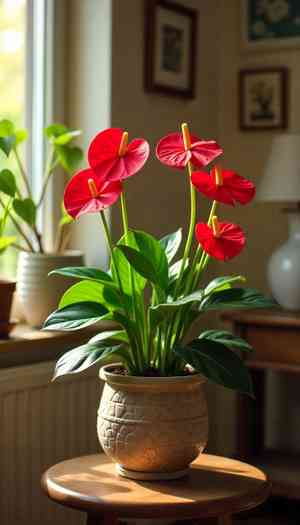
Transplanting pigtail anthurium is most effective in the balmy period from late spring through early summer. Select a location offering luminous, filtered illumination and sufficient moisture in the air. Carefully place pigtail anthurium in its new environment, ensuring steady attention for a smooth adjustment.
Essential Preparations Before Relocating Pigtail Anthurium
Optimal Period for Pigtail Anthurium Relocation?
The best time to move pigtail anthurium is during the transition from late spring to early summer. This period offers balanced weather, promoting root establishment and reducing stress. This timing provides pigtail anthurium with an ideal environment for vigorous growth. Transplanting now allows pigtail anthurium to settle before summer's heat, fostering a robust and thriving plant.
Recommended Spacing Between Pigtail Anthurium Plants?
When planting your pigtail anthurium, ensure adequate spacing. Ideally, position them approximately 1-2 feet (30-60cm) apart. This generous distance supports strong development and prevents overcrowding.
Best Soil Mixture for Pigtail Anthurium Transplanting?
Prior to planting your pigtail anthurium, prepare the soil with a light, nutrient-rich, and well-draining blend, incorporating compost or peat moss. You might also consider using a slow-release fertilizer as a base to provide your plant with an initial nutrient boost.
Where to Position Your Pigtail Anthurium After Relocation?
Your pigtail anthurium thrives in bright, indirect sunlight. Place it where it will avoid intense midday sun, which can burn its leaves. A location near a north or east-facing window would be perfect!
Equipment Needed Before Transplanting Pigtail Anthurium
Gardening Gloves
For protection and cleanliness.
Shovel or Trowel
These tools assist in digging and carefully extracting the pigtail anthurium plant.
Pruning Shear
Useful for removing dead or unhealthy foliage before the transplant.
Watering can
For hydration tasks before and after the transplanting process.
Organic Compost
To enrich the soil at your new planting site / pot.
Mulch
Used to maintain soil moisture and inhibit weed growth.
Garden Cart or Wheelbarrow
For moving soil or the plant, if necessary.
Method for Extracting Pigtail Anthurium from Soil
Method for Extracting Pigtail Anthurium from Soil?
From Ground: First, moisten the soil around the pigtail anthurium plant by watering it. This facilitates easier digging. Use a shovel or trowel to gently excavate a wide circle around the plant, taking care not to damage the root ball. Once loosened, lift the plant out.From Pot: Begin by watering your potted pigtail anthurium plant. Afterward, turn the pot sideways, place your hand over the soil surface with fingers spread around the plant stem(s), and tap the bottom and sides of the pot to loosen. Carefully slide the plant out with the root ball intact. If the plant is stuck, press on the pot's sides to free it.From Seedling Tray: Water the seedlings in the tray, then gently loosen the soil around a seedling with a small tool or your fingers. Hold the seedling by its leaves, not the stem or roots, and carefully remove it from the tray, ensuring as many roots as possible remain.
Detailed Steps for Transplanting Pigtail Anthurium
Prepare New Location
Begin by preparing the new spot for your pigtail anthurium. Dig a hole sufficiently wide and deep to comfortably accommodate the pigtail anthurium's root ball. Incorporate compost into the hole for added nutrients.
Prepare the Plant
Once the new site is ready, prepare your pigtail anthurium for relocation. If it's from a pot or seedling tray, ensure its root ball is removed intact. If any leaves or stems appear diseased or withered, trim them with pruning shears. The aim is to have a healthy plant ready for transplant.
Planting
Position your pigtail anthurium into the prepared hole or pot. The base of the plant's stem, or crown, should be level with the ground, not buried or elevated. Carefully backfill the hole or pot with soil, ensuring no air pockets remain around the roots.
Water
Water your newly transplanted pigtail anthurium with care. Avoid excessive watering; instead, aim for a thorough moistening of the soil surrounding the plant.
Mulch
After watering, apply a thin layer of mulch around the plant's base. This will help retain moisture and deter weed growth.
Post-Transplant Care for Pigtail Anthurium
Watering
Water your pigtail anthurium every 2-3 days for the initial few weeks. This aids in the plant's establishment and the development of strong roots. Once the plant appears settled, revert to its regular watering schedule.
Trimming
Monitor your pigtail anthurium's appearance. If you observe any diseased or wilting leaves and stems, promptly prune them. This helps the plant direct its energy towards new and healthy growth.
Monitoring
Observe the plant's overall health and development. If you notice any signs of transplant shock, such as wilting, yellowed leaves, or leaf loss, maintain a stable environment and consistent watering. However, avoid overwatering, as this can lead to other problems.
Resolving Common Issues During Pigtail Anthurium Transplantation.
When is the optimal time to transplant pigtail anthurium?
The best period for transplanting pigtail anthurium is from late summer to early autumn (S3-S4). This allows the plant sufficient time to establish before winter.
What is the ideal spacing for pigtail anthurium during transplanting?
Maintain a distance of approximately 1-2 feet (30-60 cm) between each pigtail anthurium. This spacing encourages healthy growth and prevents root congestion.
How deep should pigtail anthurium be planted during transplantation?
Pigtail anthurium should be planted deep enough to cover the root ball. As a general guide, aim for about 2-3 inches (5-7.6 cm) into the soil.
What type of soil is appropriate for pigtail anthurium transplantation?
Pigtail anthurium thrives in well-draining soil with a slightly acidic to neutral pH. A mixture of peat moss, perlite, and a small amount of organic compost works well.
What should I do if my transplanted pigtail anthurium wilts?
Wilting after transplanting is normal. Maintain consistent watering, but do not overwater. If wilting persists, consulting a plant expert is advisable.
How frequently should I water a transplanted pigtail anthurium?
Until pigtail anthurium establishes itself, regular watering is necessary. However, allow the top inch (2.5 cm) of soil to dry out before rewatering.
Is pruning necessary for pigtail anthurium during transplantation?
Pruning is not mandatory during transplantation. However, removing any dead or decaying leaves can prevent disease spread and enhance overall health.
What light exposure does a transplanted pigtail anthurium require?
Pigtail anthurium prefers indirect, bright light. However, ensure the plant is not exposed to harsh, direct sunlight, as it can cause leaf burn.
What pot size is suitable for transplanting pigtail anthurium?
The pot size largely depends on the size of pigtail anthurium. Always choose a pot that is slightly larger than the root ball, with good drainage.
How should I fertilize my transplanted pigtail anthurium?
Once pigtail anthurium has settled, you can begin feeding it with a balanced plant fertilizer. During the growing season, apply it monthly for healthy development.



