How to Transplant Flamingo flower?
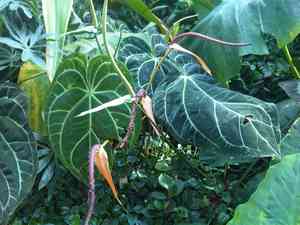
The optimal period for relocating flamingo flower is from mid-summer through late summer, which supports vigorous development. Provide a cozy, moist spot with ample, diffused illumination. Should the root system become congested, carefully transfer flamingo flower to a more spacious container, promoting its health and beauty.
Essential Preparations Before Relocating Flamingo Flower?
Optimal Period for Relocating Flamingo Flower?
Relocating flamingo flower during the middle to late summer is perfect, as this timeframe offers the ideal balance of warmth and moderate sunlight necessary for root establishment. Transplanting at this time ensures flamingo flower has ample opportunity to adapt to its new surroundings before the colder autumn temperatures. It's an excellent window for the plant to flourish when the soil is warm, which encourages root development, and the risk of transplant shock is minimized. A friendly reminder: this is the best moment to provide your flamingo flower with a lovely new home so it can thrive!
Required Spacing Between Flamingo Flower Plants?
When relocating flamingo flower, consider the spacing. Ideally, maintain a distance of 1-2 feet (30.5 - 61 cm) between each plant. Providing this space allows sufficient room for the plants to breathe, reducing competition for nutrients and water. It also helps prevent the spread of diseases.
Best Soil Mixture for Flamingo Flower Relocation?
Prepare a rich, well-draining soil for flamingo flower. As a first step, incorporate a base fertilizer abundant in organic matter. The pH level should be acidic, ranging between 5.5 and 6.5. This optimizes nutrient availability for your plant and ensures a successful relocation.
Where to Position Your Flamingo Flower?
Select a spot for relocating flamingo flower that will receive bright, yet indirect sunlight. Excessive direct sunlight can scorch its leaves, so avoid placing it where it will be exposed to intense afternoon sun. Remember, flamingo flower enjoys warmth and humidity but not scorching rays!
Necessary Equipment for Flamingo Flower Transplantation?
Gardening Gloves
To safeguard your hands while handling soil and the plant.
A suitable hoe or spade
To carefully excavate around and beneath the plant's roots, minimizing damage as much as possible.
High-quality garden soil
To add as needed, ensuring it is compatible with flamingo flower.
Watering Can
To hydrate the plant's soil both before and after the relocation process.
Garden Trowel
To dig the new hole where you will position flamingo flower.
Pruning Shears
To trim away any excess or dead foliage and help flamingo flower direct its energy towards root growth after transplant.
How to Extract Flamingo Flower from the Soil?
How to Extract Flamingo Flower from the Soil?
From Ground: For flamingo flower, the initial step involves hydrating the plant and surrounding soil to facilitate easier removal. Use your spade or hoe to dig a wide circumference around the plant, ensuring no roots are harmed during the process. Gradually dig deeper and beneath the root ball, making sure it remains intact.From Pot: If flamingo flower is in a pot, gently tip it to the side and apply soft but firm pressure to the base. The plant should slide out, root ball and all. Watering beforehand will help everything stay together.From Seedling Tray: If flamingo flower is in a seedling tray and ready for relocation, moisten the soil to help it retain the seedling and its roots. Carefully push from the bottom to ease out the seedling.
Step-by-Step Guide for Relocating Flamingo Flower
Preparation
Once you've selected your spot, use the garden trowel to dig a hole that is approximately twice as wide and twice as deep as the root ball of flamingo flower. This provides the roots ample space to spread.
Placement
Position flamingo flower in the center of the hole, ensuring the top of the root ball is level with the ground surface.
Soil Addition
Fill the hole with garden soil, gently patting it down to eliminate any air pockets. Be careful not to bury the plant deeper than it was in its original location.
Watering
Immediately after relocating, provide a generous amount of water for flamingo flower.
Post-Transplantation Care for Flamingo Flower?
Initial Care
Initially, keep flamingo flower away from direct sunlight to prevent shock and regularly check the soil to ensure it remains moist. Limit exposure to harsh weather conditions to allow it time to settle.
Pruning
During the first few weeks, gently trim any dead or dying leaves to direct flamingo flower's energy towards root development.
Monitoring
Regularly inspect flamingo flower for any indications of diseases or pest infestations. At the first sign of an issue, take appropriate measures.
Adaptation
Remember, flamingo flower will require some time to adjust to its new environment, so be patient and attentive.
Resolving Common Issues with Flamingo Flower Transplantation.
What is the optimal time of year to relocate flamingo flower?
The best season for transplanting flamingo flower falls in S5-S6. This is a period when plants establish roots more quickly due to favorable weather conditions.
How much distance should I maintain between each flamingo flower during relocation?
An ideal spacing for flamingo flower is within the range of 1-2 feet or approximately 30 - 60 centimeters. This distance allows for adequate growth and prevents overcrowding.
Is it necessary to water flamingo flower immediately after relocating it?
Yes, watering is essential right after transplanting. It helps the plant settle and reduces shock, promoting a quick recovery for flamingo flower.
What kind of potting soil mix is best when relocating flamingo flower?
Loose, well-draining soil is crucial for flamingo flower. Choose a soil mix that is rich in organic matter and ensure it is well-aerated to encourage healthy root growth.
How deep should the new planting hole be for flamingo flower?
The new planting hole should be just deep enough to accommodate the root ball of flamingo flower. A shallow hole might expose the roots, while a deep one could lead to rotting.
Should I prune flamingo flower before relocating it?
Yes, you should prune any dead or damaged leaves before transplanting flamingo flower. This stimulates new growth and lessens stress on the plant during the relocation process.
How to ensure flamingo flower is not suffering from transplant shock?
Observe flamingo flower for wilting or yellowing leaves. Consistent watering and shade can help alleviate transplant shock. However, avoid overwatering as it could cause root rot.
Should I fertilize flamingo flower after relocating it?
It's advisable to wait a while before fertilizing newly transplanted flamingo flower. Begin with a gentle, slow-release fertilizer after a few weeks to prevent root burn.
What should I consider when selecting a new pot for flamingo flower?
Choose a pot slightly larger than the previous one, ensuring it has good drainage. A non-porous pot is typically a suitable choice for flamingo flower.
Can I relocate flamingo flower outdoors?
Flamingo flower thrives indoors, but can be moved outdoors in regions with warm, humid climates. However, ensure it is protected from harsh sunlight and freezing conditions.



