How to Transplant Tall Thimbleweed?
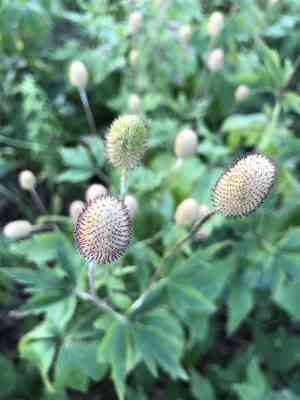
The most favorable period for relocating tall Thimbleweed is amidst the temperate, growth-inducing conditions of mid to late spring or the beginning of summer. To ensure a successful transfer, select locations that offer dappled sunlight and soil with good drainage. A helpful suggestion: carefully managing the root system encourages improved establishment.
What Preparations are Necessary Before Relocating Tall Thimbleweed?
When is the Best Time to Move Tall Thimbleweed?
Relocate tall Thimbleweed in mid-to-late spring or early summer to align with optimal soil warmth and moisture, promoting robust root development and adaptation. Shifting tall Thimbleweed during these mild periods supports crucial growth, as nature encourages new beginnings. A timely relocation ensures a thriving season ahead, helping tall Thimbleweed establish with minimal stress and excellent growth prospects.
How Much Space Should Be Allotted Between Tall Thimbleweed Plants?
For tall Thimbleweed, aim for an optimal spacing of 1-2 feet (30-60 cm) during relocation. This helps ensure they have adequate room for healthy development. Remember, a bit of growing space is always beneficial!
What is the Ideal Soil Mixture for Tall Thimbleweed Relocation?
For the healthiest tall Thimbleweed, prepare a soil blend of loamy or sandy soil. Supplement it with a foundational fertilizer to give your plants an excellent start. Refer to the label for the correct quantity.
Where Should You Replant Your Tall Thimbleweed?
Replant your tall Thimbleweed where it will receive full to partial sunlight. A sunny location is ideal, but some afternoon shade is also acceptable. Remember, all plants appreciate sunlight to some degree, and tall Thimbleweed is no exception!
What Equipment Should You Prepare Before Relocating Tall Thimbleweed?
Gardening gloves
Shield your hands when working with soil and the plant.
Shovel or Spade
For excavating holes and lifting the plant.
Pruning shears
To trim any unhealthy-looking roots or foliage.
Watering can
To hydrate the plant after relocation.
Garden hose
To moisten the soil prior to extraction.
Wheelbarrow or plant dolly
To transport larger N plants without causing damage.
Trowel
For filling in the cavity around the plant's base.
How Do You Extract Tall Thimbleweed from the Soil?
How Do You Extract Tall Thimbleweed from the Soil?
From Ground: First, dampen the soil around the tall Thimbleweed plant using a garden hose. This will facilitate easier digging. With a shovel, dig a wide circle around the plant, ensuring the root ball remains intact. Carefully maneuver the shovel beneath the root ball to lift the entire plant from its spot.From Pot: If your tall Thimbleweed plant is in a container, water it lightly beforehand and wait a few minutes for the soil to absorb the moisture. Turn the pot sideways and gently pull out the plant while holding its base. If it resists, tap the pot's sides to loosen the soil.From Seedling Tray: Simply press the bottom of each cell to release the tall Thimbleweed seedlings. Be sure to hold them by the leaves to avoid damaging the delicate roots.
Step-by-Step Guide for Relocating Tall Thimbleweed
Digging
Using your shovel, excavate a hole that is twice as wide and equally deep as the tall Thimbleweed plant's root ball in your chosen relocation site.
Preparation
Trim any damaged or decaying roots with your pruning shears. Perform this carefully to avoid over-stressing the plant.
Placing
Gently position the tall Thimbleweed plant into the hole. The top of its root ball should be level with or slightly above the ground surface.
Backfilling
Begin refilling the hole with the excavated soil, gently firming it with your hands as you proceed.
Watering
Water the tall Thimbleweed plant generously immediately after relocation to settle the soil around the roots. Use a watering can to regulate water flow and prevent splashing or erosion.
How Do You Care For Tall Thimbleweed After Relocation?
Watering
Tall Thimbleweed requires consistent watering in the weeks following relocation. Keep the soil moist but not saturated.
Checking for disease
Monitor the tall Thimbleweed plant for any indications of disease or stress, such as wilting or discoloration. If these signs appear, you may need to re-evaluate your plant's conditions.
Mulching
Apply a layer of organic mulch around the base of the tall Thimbleweed to help retain soil moisture and maintain stable soil temperatures.
Pruning
Trim any leaves or stems that begin to appear unhealthy to encourage new, vigorous growth.
Troubleshooting Common Issues with Tall Thimbleweed Relocation.
What's the optimal time of year to relocate tall Thimbleweed?
Late spring to mid-summer (S2-S4) is an ideal period to relocate tall Thimbleweed because the plant can establish itself before the onset of fall and winter weather.
How much space should I allow between relocated tall Thimbleweed?
Maintain a distance of 1-2 feet (30-60 cm) between each tall Thimbleweed plant. This ensures sufficient space for each plant to grow and spread without competing for resources.
What steps should I follow to relocate tall Thimbleweed?
First, prepare the new site, leaving a space of 1-2 feet (30-60 cm). Next, carefully dig up tall Thimbleweed, preserving the root ball. Finally, plant it in the new location and water thoroughly.
Do tall Thimbleweed prefer sun or shade?
Tall Thimbleweed prefer full sun to partial shade. When relocating, select a spot that provides the plant with this light requirement for optimal growth.
What type of soil does tall Thimbleweed prefer?
Tall Thimbleweed thrive in well-drained soil rich in organic matter. When relocating, ensure the new site has similar soil characteristics for the best outcomes.
Why is tall Thimbleweed wilting after relocation?
Wilting could indicate transplant shock. Keep the soil moist but avoid over-saturating it. Also, ensure tall Thimbleweed isn't exposed to excessive sunlight until it's better established.
How often should I water relocated tall Thimbleweed?
Water the relocated tall Thimbleweed thoroughly immediately after planting. Afterward, keep the soil moist, especially during dry spells. However, avoid waterlogging as it can harm the plant.
Why are the leaves of my relocated tall Thimbleweed turning yellow?
Yellowing leaves might signify that your tall Thimbleweed is receiving too much or too little water. Ensure the soil is well-drained and maintain a consistent watering schedule.
Why is my relocated tall Thimbleweed not blooming?
Tall Thimbleweed might not bloom if they're not getting enough sunlight, or if they are too crowded. Ensure your plant has ample exposure to sunlight and sufficient space for growth.
How do I safeguard my relocated tall Thimbleweed from pests?
Regular observation can protect tall Thimbleweed from pests. Remove pests manually or use organic pesticides if necessary. Maintaining a healthy plant through proper watering and fertilizing can also deter pests.



