How to Transplant Splitbeard Bluestem?
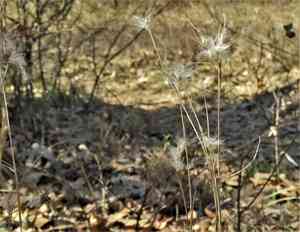
Relocate splitbeard Bluestem when the mildness of late spring transitions into the peak of early to mid-summer, allowing for robust root development prior to colder temperatures. Select sun-exposed areas featuring permeable soil for peak development. Careful handling during relocation guarantees splitbeard Bluestem flourishes in its new environment.
What Preparations are Needed Before Transplanting Splitbeard Bluestem?
What is the Ideal Time for Transplanting Splitbeard Bluestem?
The optimal period for relocating splitbeard Bluestem is during the mild conditions of late spring to mid-summer. This timeframe allows for strong root establishment, giving splitbeard Bluestem the best start in its new spot. Choosing this window promotes robust root development before winter, ensuring vigorous regrowth in spring.
How Much Space Should You Leave Between Splitbeard Bluestem Plants?
When moving your splitbeard Bluestem, ensure adequate room for growth. Position each plant 1-2 feet (30-60cm) apart. This personal space benefits the plant by encouraging better development and reducing the spread of disease.
What is the Best Soil Mix for Splitbeard Bluestem Transplanting?
For splitbeard Bluestem, well-draining, sandy or rocky soil types are perfect. Before planting, enrich your soil with a balanced base fertilizer. This will supply the plant with necessary nutrients to establish and flourish in its new environment.
Where Should You Relocate Your Splitbeard Bluestem?
Sunlight is crucial for splitbeard Bluestem. Select a location where the plant will receive full sun, meaning at least 6 hours of direct sunlight daily. This ample light will help your plant develop strong and healthy.
What Equipments Should You Prepare Before Transplantation Splitbeard Bluestem?
Gardening Gloves
To protect your hands from thorns and dirt.
Shovel
A tool needed to excavate the plant from its original spot or to prepare a hole at the new site.
Pruning Shears
To remove any damaged or diseased parts of splitbeard Bluestem prior to relocation.
Gardening Fork
It assists in aerating the soil before planting.
Watering Can
Required to hydrate splitbeard Bluestem after its transfer.
Wheelbarrow
To move splitbeard Bluestem from its current position to the new one.
Organic Compost
It's necessary to provide a nutrient-rich environment for splitbeard Bluestem.
Mulch
Helps maintain soil moisture after the transplant.
Stakes
To offer support to splitbeard Bluestem after transplantation if required.
How Do You Remove Splitbeard Bluestem from the Soil?
How Do You Remove Splitbeard Bluestem from the Soil?
From Ground: Begin by moistening the soil around splitbeard Bluestem. This makes the soil more workable. Use a shovel to dig around the plant, aiming to keep the root ball as intact as possible. Once the shovel is beneath the plant, carefully lift it from the ground with the root ball undisturbed.From Pot: Water splitbeard Bluestem a few hours before taking it out of its pot. Turn the pot on its side, hold the plant steady by its stems, and gently slide it out. Be careful not to harm the root ball during this process.From Seedling Tray: Dampen the soil in the tray, then carefully lift splitbeard Bluestem from it. Handle it by its leaves rather than the stem to prevent damage. The goal is to keep the root ball intact during removal.
Step-by-Step Guide for Transplanting Splitbeard Bluestem
Preparation
Fill a wheelbarrow with water, and immerse splitbeard Bluestem's root ball in it while preparing the new hole. This keeps the roots hydrated and protected.
Digging
Using a shovel, dig a hole twice the width and the same depth as the root ball of splitbeard Bluestem.
Placement
Position the plant in the hole, ensuring the top of the root ball is level with the surrounding soil. Backfill around splitbeard Bluestem with garden soil, gently firming it as you go.
Adding Compost
Once splitbeard Bluestem is in place, add compost around the root area to provide a nutrient-rich environment.
Watering
After transplanting, thoroughly water the plant using a watering can.
Mulching
Spread a layer of mulch around the base of splitbeard Bluestem. This helps to retain moisture in the soil.
Staking
If splitbeard Bluestem is tall or appears unstable, stake it to provide support.
How Do You Care For Splitbeard Bluestem After Transplanting?
Watering
Consistent watering is crucial for splitbeard Bluestem until it's well-established. However, avoid excessive watering to prevent waterlogging, which can lead to root rot.
Pruning
Remove any dead or dying parts of splitbeard Bluestem after transplanting. This promotes healthy new growth.
Protection
Monitor for pests or diseases that might harm splitbeard Bluestem. Address any issues promptly.
Pampering
Transplanting can be stressful for plants. Give splitbeard Bluestem a bit more attention than usual during its initial days after transplant through regular observation and care.
Troubleshooting Common Issues with Splitbeard Bluestem Transplantation.
When is the best time to transplant splitbeard Bluestem?
Optimal transplant times for splitbeard Bluestem are typically during late summer to early fall; essentially, from season 3 to season 5.
What's the ideal spacing while transplanting splitbeard Bluestem?
You should space splitbeard Bluestem about 1-2 feet (30-60 cm) apart. This distance assures the plants have enough place to grow and develop.
What kind of soil does splitbeard Bluestem prefer when transplanting?
Splitbeard Bluestem generally prefers well-drained soil, having preferable pH levels ranging from neutral to slightly acidic.
How deep should I bury the roots of splitbeard Bluestem during the transplantation?
The roots of splitbeard Bluestem should be planted just beneath the soil surface. Avoid planting the roots too deep.
How much should I water splitbeard Bluestem after it has been transplanted?
Water splitbeard Bluestem generously right after transplanting. Then, maintain regular watering to keep the soil moist, but not soaked.
Do I need to add any fertilizer while transplanting splitbeard Bluestem?
Splitbeard Bluestem typically doesn't demand lots of fertilizer. However, compost or well-rotted manure can help splitbeard Bluestem establish firmly.
Why are my transplanted splitbeard Bluestem plants drooping?
Transplants often suffer from transplant shock causing drooping. Ensure proper planting depth and enough water. It should recover within a few days.
How can I control the growth of splitbeard Bluestem after transplantation?
Pruning splitbeard Bluestem in early spring, you can control its growth. But be wary not to cut back too much as it could lead to inadequate growth.
What if the splitbeard Bluestem doesn't show any growth after transplantation?
Be patient, splitbeard Bluestem may take time to establish. If your plant doesn't show any signs of growth after a few weeks, it may be worth seeking advice.
How can I prevent diseases after transplantation of splitbeard Bluestem?
To prevent diseases, ensure proper spacing between splitbeard Bluestem. Avoid overwatering and promote good airflow. Consider use of a fungicide if necessary.



