How to Transplant Pineapple?
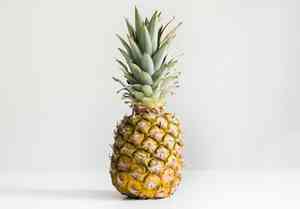
The ideal period for relocating pineapple plants is in the warmth of mid-summer, facilitating peak development. Select a bright spot with soil that drains effectively for a flourishing transplant. Periodically provide advice on transplanting to guarantee favorable outcomes. Experience the satisfaction of cultivating pineapple in your garden!
What Preparations are Needed Before Transplanting Pineapple?
What is the Ideal Time for Transplanting Pineapple?
The optimal period for relocating pineapple is during peak summer. This timeframe offers abundant sunlight and warmth, fostering vigorous development. Moving pineapple at this point significantly boosts potential fruit yield, enhancing the plant's worth. Remember, thorough preparation before transplanting ensures a flourishing future for your pineapple.
How Much Space Should You Leave Between Pineapple Plants?
For pineapple, it's best to space them 1-2 feet (30-60 cm) apart. This will allow them to grow without competing for resources, ensuring you a healthy, happy plant.
What is the Best Soil Mix for Pineapple Transplanting?
Prepare well-draining soil for pineapple, ideally a mixture of sandy loam and compost. Apply a balanced, slow-release fertilizer to give those roots a nutritious foundation.
Where Should You Relocate Your Pineapple?
Find a nice sunny spot to transplant your pineapple. Aim for a location that receives full sun, at least 6-8 hours each day, to make sure it thrives.
What Equipments Should You Prepare Before Transplantation Pineapple?
Gardening Gloves
To protect your hands from sharp edges and to prevent dirt from getting into your nails.
Shovel
To dig up the pineapple plant carefully with its root ball intact.
Trowel
To excavate a hole in the selected area where your pineapple plant will be transplanted.
Watering Can
To moisten the soil before and after transplanting.
Mulch
To protect the root zone, retain moisture and nurture the soil around the pineapple.
Organic Compost
To provide necessary nutrients for the pineapple to flourish post-transplanting.
How Do You Remove Pineapple from the Soil?
How Do You Remove Pineapple from the Soil?
From Ground: Start by loosening the soil around your pineapple using your shovel, while being careful to stay clear of the root ball. Try to get as much of the root ball as you can. Once loosened, carefully lift the plant from its original location.From Pot: Begin by watering the pineapple well to reduce transplant shock. Tip the pot upside down while holding your hand over the soil surface, with the pineapple stem between your fingers. Gently pull the pot off, keeping the root ball undisturbed.From Seedling Tray: Water the pineapple seedlings in the tray, then carefully tease out the individual seedlings without damaging the roots. Handle the individual pineapple seedlings by the leaves rather than the delicate stem.
Step-by-Step Guide for Transplanting Pineapple
Digging
Dig a hole in your prepared garden space with the trowel. The hole should be twice the width and a bit deeper than the pineapple's root ball.
Setting in
Position your pineapple into the hole. The top of the root ball should be level with the soil surface. Once positioned, carefully backfill the hole, firming soil gently around the plant.
Watering
Water your newly transplanted pineapple deeply using the watering can. Saturate the whole area so that water sinks into the root zone.
Mulching
Apply a layer of mulch around the pineapple, leaving a clearance around the stem to avoid rot. This will help protect the roots and retain moisture.
Feeding
Use an organic compost to provide necessary nutrients post-transplanting.
How Do You Care For Pineapple After Transplanting?
Water
The transplanted pineapple should be watered regularly, ensuring the soil is consistently moist but not waterlogged. Your pineapple will need extra care during the first several weeks post-transplant to enable strong root establishment.
Protect
Use netting or surround the plant with a protective barrier if you notice animals in your garden. This will prevent them from nibbling on the young pineapple.
Monitor
Keep an eye on the health of your pineapple. Pay attention to its growth, the colour of the leaves and any signs of disease. Remember, the key to a healthy plant lies in quick detection and swift action.
Troubleshooting Common Issues with Pineapple Transplantation.
When's the best time to transplant my pineapple?
Transplant pineapple when the temperatures rise, ideally in mid-summer. This offers the plant better growth conditions.
What is the ideal space between pineapple when transplanting?
Ensure you provide a gap of about 1-2 feet (30-60 cm) between your pineapple plants. This gives them room to expand and groove perfectly.
Could transplanting pineapple too close impact their growth?
Yes certainly, overcrowding pineapple can limit their growth due to competition for resources and could even lead to the spread of diseases.
Why are my transplanted pineapple not growing?
There could be a few reasons - overwatering, underwatering, inadequate sunlight, or incorrect soil type. Double-check all these conditions for optimum growth.
Should I add fertilizer while transplanting pineapple?
Yes, adding a slow-release fertilizer during transplantation can help pineapple establish faster and grow stronger. Just ensure it's specifically designed for pineapple.
What amount of sunlight does my transplanted pineapple need?
Pineapple loves sunshine. Make sure to place them where they can get at least 6 hours of sunlight each day, for healthy and strong growth.
How often should I water a just transplanted pineapple?
Water the pineapple as soon as you transplant it but afterwards, limit the watering to once a week. However, this could vary based on weather conditions.
What is the optimum soil type for transplanting pineapple?
Pineapple prefers well-drained soil, ideally sandy loam. The soil should be slightly acidic too. Poor-draining soil can cause root rot and other diseases.
Can I transplant pineapple without root?
No, without a root system, pineapple won't be able to absorb essential nutrients and water from the soil which would lead to its decline.
Should I trim the pineapple before transplanting?
Not necessarily. However, trimming dying or sick leaves can help the plant focus its energy on new growth once itâs transplanted.



