How to Transplant Threadleaf bluestar?
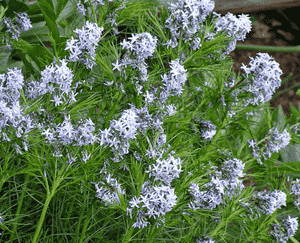
Relocate Amsonia hubrichtii during the warmer periods, preferably between late spring and mid-summer. Select a spot that receives ample sunlight or partial shade, featuring soil that drains effectively. Carefully disentangle the root mass prior to placement, and ensure the ground remains damp for successful integration.
Necessary Preparations Before Moving Threadleaf Bluestar?
Optimal Period for Relocating Threadleaf Bluestar?
The most favorable time to move our lovely threadleaf bluestar is during the pleasant phase of late spring to early summer. In this period, conditions are quite stable and promote development. Relocating threadleaf bluestar within this prime transplant window significantly enhances their growth and lifespan, making your garden incredibly appealing. Just envision a thriving display of threadleaf bluestar gracing your garden - it's truly a spectacle!
Recommended Spacing Between Threadleaf Bluestar Plants?
For threadleaf bluestar, it's best to provide ample room for development. Position the plants approximately 18-24 inches (45-60 cm) apart. This ensures they have sufficient space to flourish and create a beautiful, full appearance in your garden.
Ideal Soil Blend for Threadleaf Bluestar Transplanting?
For threadleaf bluestar, select well-draining soil and incorporate a slow-release fertilizer base for additional nutrients. A balanced mix of potting soil and compost or humus will offer the essential structure and nourishment for threadleaf bluestar to thrive.
Where to Replant Your Threadleaf Bluestar?
When selecting a new spot for threadleaf bluestar, ensure it receives full sun or partial shade. Aim for at least 6-8 hours of daily sunlight. This will help threadleaf bluestar develop robust, vibrant, and healthy throughout the growing season.
Equipment to Prepare Before Transplanting Threadleaf Bluestar?
Gardening Gloves
To safeguard your hands while handling soil and plants.
Shovel or Spade
To assist in digging and lifting the plant from its original spot, and for excavating a new hole.
Trowel
For precise tasks and adjusting the hole's dimensions.
Gardening Fork
To loosen and aerate the soil at both the initial and new planting locations.
Watering Can
To hydrate the plant both prior to and following the transplanting process.
Pruning Shears
To trim any damaged or dead foliage and stems during relocation.
Compost or Organic Matter
To enrich the new soil surrounding the plant, if necessary.
How to Extract Threadleaf Bluestar from the Soil?
How to Extract Threadleaf Bluestar from the Soil?
From Ground: First, moisten the threadleaf bluestar plant to dampen the soil. Then, excavate a wide trench around the plant using a shovel or spade, ensuring the plant's root ball remains intact. Carefully work the spade beneath the root ball to lift the plant from its initial position.From Pot: Thoroughly water the threadleaf bluestar plant in its container. Gently compress or tap the pot's sides to help dislodge the plant. Carefully remove the plant by inverting the pot, supporting the plant's base with one hand and the pot with the other.From Seedling Tray: Allow the threadleaf bluestar seedlings to develop in the tray until they possess at least two sets of true leaves and are robust enough to handle. Fill a small basin with water and gently lift each seedling by its true leaves, dipping the roots in the water to aid in removing excess soil. Carefully untangle the roots if they are interwoven with other seedlings.
Step-by-Step Guide for Relocating Threadleaf Bluestar
Location Selection
Choose a new site with appropriate sunlight and space for your threadleaf bluestar plant to reach its mature size.
Soil Preparation
Using a garden fork, loosen and aerate the soil in the new planting area. If needed, incorporate some compost or organic matter to enhance soil quality.
Digging the Hole
Excavate a hole at the new location that is twice the width and the same depth as the threadleaf bluestar's root ball.
Placing the Plant
Gently position the threadleaf bluestar plant in the hole, ensuring it is at the same depth as it was in its original spot. Spread out the roots if they are compressed or tightly coiled.
Filling the Hole
Backfill the hole with soil, firming it around the plant as you proceed to eliminate air pockets. Be careful not to bury the threadleaf bluestar's crown or compact the soil too much.
Watering
Thoroughly water the threadleaf bluestar plant to settle the soil around the roots. Allow the water to soak in before adding more, if necessary.
Post-Transplant Care for Threadleaf Bluestar
Watering
Maintain consistent moisture for the threadleaf bluestar during the initial weeks after transplanting to help establish strong roots, but avoid overwatering to prevent soggy soil.
Pruning
Regularly inspect the plant and use pruning shears to remove any damaged or dead leaves and stems, encouraging new growth and good air circulation.
Mulching
Applying a layer of organic mulch around the base of the threadleaf bluestar can help retain moisture, regulate soil temperature, and suppress weeds.
Monitoring
Keep a close watch on the threadleaf bluestar for any indications of transplant shock, such as yellowing or wilting leaves, and adjust your care routine as needed to aid the plant's recovery.
Resolving Common Issues with Threadleaf Bluestar Transplantation.
When is the best time to transplant threadleaf bluestar?
The ideal period falls between mid-spring and summer, when threadleaf bluestar experiences robust growth.
How much space should I allow when transplanting threadleaf bluestar?
Provide approximately 18-24 inches (45-60 cm) of space for each plant. This permits ample growth and prevents overcrowding.
What are typical problems when transplanting threadleaf bluestar?
Common issues include root shock, insufficient hydration, inadequate spacing, incorrect planting depth, and unfavorable weather conditions.
How can I prevent root shock when transplanting threadleaf bluestar?
Gently separate the roots before planting, ensure immediate watering, and transplant during the cooler part of the day to minimize root shock.
What should I do if threadleaf bluestar wilts after transplanting?
Wilting often stems from water stress. Ensure consistent moisture but avoid excessive watering to prevent root rot.
How deep should I plant threadleaf bluestar?
Plant threadleaf bluestar at the same depth as it was in its original pot. Too shallow or deep might impede its growth.
What should I do if the leaves of threadleaf bluestar begin to yellow?
Yellowing leaves could be due to overwatering or nutrient deficiency. Adjust watering habits and consider a slow-release fertilizer.
Should I prune threadleaf bluestar after transplanting?
Pruning is not necessary immediately after transplant. Just remove damaged leaves and allow threadleaf bluestar to acclimate to its new location first.
How should I prepare the soil before transplanting threadleaf bluestar?
Nutrient-rich soil is optimal, so consider adding compost before planting. Your threadleaf bluestar will appreciate the extra boost!
What if my threadleaf bluestar isn't showing new growth after transplanting?
Allow it time. Threadleaf bluestar may take a few weeks to exhibit new growth as it adjusts to its new environment.



