How to Transplant Tavoy cardamom?
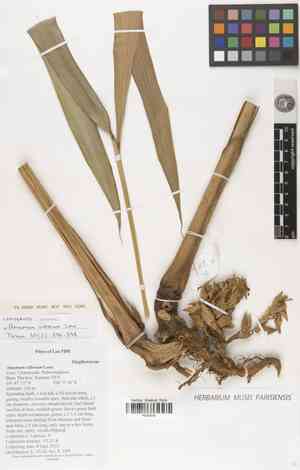
To ensure vigorous development, relocate tavoy cardamom during the middle to latter part of spring, as this timeframe provides ideal circumstances. Select a location that is shaded and moist, and if required, subtly amend the earth to facilitate its move and foster strong growth.
Essential Preparations Before Relocating Tavoy Cardamom?
Optimal Period for Relocating Tavoy Cardamom?
The best period to move tavoy cardamom is during its vigorous growth phase, from mid to late spring. This timeframe ensures the ground is warm and receptive, promoting strong root development. Placing tavoy cardamom in the garden at this point allows it to benefit from longer daylight hours and moderate temperatures. This strategic timing aligns with natural cycles, ensuring tavoy cardamom thrives from the start and enters summer with strength and vitality.
Required Spacing Between Tavoy Cardamom Plants?
When getting ready to move your tavoy cardamom, make sure to space the plants approximately 24-36 inches (60-90 cm) apart. This provides ample room for growth and proper air circulation, setting them up for success!
Ideal Soil Mixture for Tavoy Cardamom Relocation?
For your tavoy cardamom, a fertile, well-draining soil will be crucial! Before planting, incorporate plenty of organic material and a slow-release fertilizer to supply tavoy cardamom with the necessary nutrients. A pH level of about 6.0 to 6.5 should be perfect.
Where to Replant Your Tavoy Cardamom?
Select a location for your tavoy cardamom where it will receive partial shade to mimic its natural habitat. They appreciate sunlight, but excessive exposure can be detrimental, so aim for a spot that gets filtered light throughout the day.
Equipment Needed Before Relocating Tavoy Cardamom?
Gardening Gloves
To safeguard your hands while handling soil and plants.
Shovel or Spade
For excavating the plant from its original spot and digging a new hole.
Garden Fork
To loosen the soil and assist in removing the root ball with minimal harm.
Watering Can or Hose
To hydrate the plant before and after its relocation.
Wheelbarrow
To move the plant and soil if necessary.
Pruning Shears
To trim any damaged roots or foliage.
Mulch
To help maintain soil moisture and temperature around the plant after relocation.
How to Extract Tavoy Cardamom from the Ground?
How to Extract Tavoy Cardamom from the Ground?
From Ground: Prior to attempting to remove tavoy cardamom from the ground, thoroughly water the plant to facilitate the extraction of the root ball. Use a shovel or spade to dig a wide circle around the plant, being careful not to harm the roots. Once sufficient space is created, slide the tool beneath the root ball to gently lift it out.From Pot: Water tavoy cardamom to ensure the roots are moist, making it easier to remove from its container. Hold the plant at its base and tilt the pot sideways, gently tapping or squeezing the pot if needed to loosen the root ball. Carefully slide the plant out while supporting the root ball.From Seedling Tray: Water the seedlings moderately in preparation for transplanting. Using a tool such as a dibber or a small trowel, gently ease the individual tavoy cardamom seedlings from their compartments, ensuring to keep as much of the root structure and surrounding soil intact as possible.
Step-by-Step Guide for Relocating Tavoy Cardamom
Preparation
Examine the root system of your tavoy cardamom to confirm it is healthy and disease-free. Trim any damaged roots with pruning shears to encourage new growth after relocation. Always sanitize your tools before use to prevent disease spread. Prepare the new planting hole before removing tavoy cardamom from its initial spot to minimize root exposure to air. Make the hole twice as wide as the root ball and equally deep to allow for expansion without burying the plant too deeply. Handle the root ball with care to reduce plant stress during the transition. Position tavoy cardamom in the center of the new hole and adjust its depth so it sits at the same level as it was originally growing before backfilling with soil, pressing gently but firmly to secure the plant without over-compacting the ground. Water immediately after planting to settle the soil and eliminate air pockets. Apply a layer of mulch around tavoy cardamom, but not touching the base, to conserve moisture and suppress weeds. Stake if necessary to provide support, especially in windy areas. Keep the area free of weeds and maintain consistent moisture according to established watering guidelines for optimal results.Examine the root system of your tavoy cardamom to confirm it is healthy and disease-free. Trim any damaged roots with pruning shears to encourage new growth after relocation. Always sanitize your tools before use to prevent disease spread.
Digging Hole
Prepare the receiving hole before removing tavoy cardamom from its original location to minimize root exposure to air. Make the hole twice as wide as the root ball and equally deep to allow space for expansion without burying the plant too deep.Prepare the receiving hole before removing tavoy cardamom from its original location to minimize root exposure to air. Make the hole twice as wide as the root ball and equally deep to allow space for expansion without burying the plant too deep.
Placement
Handle the root ball with care to minimize stress on the plant during the transition phase. Place tavoy cardamom in the center of the new hole and adjust the depth so that the plant sits at the same depth as it was originally growing before backfilling with soil, pressing gently but firmly to secure the plant without compacting the ground excessively.Handle the root ball with care to minimize stress on the plant during the transition phase. Place tavoy cardamom in the center of the new hole and adjust the depth so that the plant sits at the same depth as it was originally growing before backfilling with soil, pressing gently but firmly to secure the plant without compacting the ground excessively.
Watering
Water immediately after planting to settle the soil and remove air pockets.Water immediately after planting to settle the soil and remove air pockets.
Mulching
Add a layer of mulch around tavoy cardamom but not touching the base, to conserve moisture and suppress weeds.Add a layer of mulch around tavoy cardamom but not touching the base, to conserve moisture and suppress weeds.
Staking
Stake if necessary to provide support, especially in windy locations.Stake if necessary to provide support, especially in windy locations.
Care
Keep the area weeded and maintain consistent moisture according to the previously established watering guidelines for the best outcomes.Keep the area weeded and maintain consistent moisture according to the previously established watering guidelines for the best outcomes.
Post-Relocation Care for Tavoy Cardamom?
Monitoring
Regularly inspect your tavoy cardamom for indications of stress such as wilting, yellowing, or leaf drop. These symptoms might suggest the plant is not adapting well to its new environment and may require more focused attention to its care.
Adjustments
Be ready to make modifications like increasing shade, altering watering frequency, or providing additional staking or support during the acclimatization period following relocation.
Fertilization
Avoid fertilizing immediately after relocation to prevent root burn. Wait several weeks to allow tavoy cardamom to establish itself before introducing a mild fertilizer if needed.
Protection
Safeguard against pests and diseases by regularly examining the plant and addressing any issues promptly with suitable organic or chemical treatments based on the problem.
Resolving Common Issues with Tavoy Cardamom Relocation.
When is the best time to relocate tavoy cardamom?
Relocate tavoy cardamom when the weather becomes mild, typically in mid to late spring.
What spacing should I use for tavoy cardamom during relocation?
Maintain a distance of 24-36 inches (61-91 cm) between each plant for optimal growth.
Why are my tavoy cardamom plants wilting after relocation?
Wilting can result from root disturbance. Ensure gentle handling and sufficient water post-relocation.
How much should I water tavoy cardamom after relocation?
Water tavoy cardamom generously right after relocating, then maintain consistent moisture without overwatering.
What type of soil is suitable for tavoy cardamom relocation?
Utilize well-draining soil, rich in organic matter, for successful tavoy cardamom relocation.
Can tavoy cardamom be relocated on a cloudy day?
Yes, overcast conditions help minimize transplant shock by reducing moisture loss.
Should I prune tavoy cardamom before relocating?
Prune only dead or damaged parts to help tavoy cardamom focus energy on root establishment.
How deep should the hole be for relocating tavoy cardamom?
Dig a hole twice the root ball's width and equal in depth to support the roots.
What if tavoy cardamom leaves turn yellow after relocating?
Yellowing can indicate shock or watering issues. Adjust care and monitor soil moisture.
Can I fertilize tavoy cardamom immediately after relocating?
Wait 4-6 weeks before fertilizing to allow tavoy cardamom to acclimate to its new location.



