How to Transplant Large bullwort?
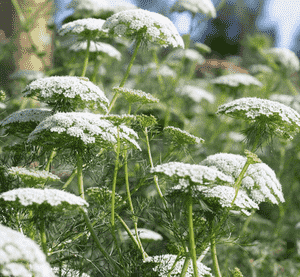
The optimal period for relocating substantial bullwort spans from the beginning to the end of summer, capitalizing on the warm, bright weather. Select a site with excellent drainage and ample sunlight for superior outcomes. Regarding transplanting advice, exercise caution with fragile root systems and provide sufficient hydration to ensure the plant's successful establishment.
What Preparations are Needed Before Transplanting Large Bullwort?
What is the Ideal Time for Transplanting Large Bullwort?
Moving our large bullwort from early to mid-summer is quite optimal. This period allows it to flourish in its new environment. Transplanting large bullwort then guarantees abundant growth and continuous summer blooms. This simple preparation truly sets large bullwort up for a fantastic season ahead! Remember, proper timing for transplanting can significantly benefit large bullwort.
How Much Space Should You Leave Between Large Bullwort Plants?
To provide large bullwort ample room to develop, position them approximately 9-12 inches (23-30 cm) apart. This spacing will ensure they have sufficient area to spread and thrive.
What is the Best Soil Mix for Large Bullwort Transplanting?
Prior to transplanting large bullwort, prepare well-draining soil enriched with organic material or compost. A slow-release, balanced fertilizer will aid in supporting healthy development (follow product instructions for correct application).
Where Should You Relocate Your Large Bullwort?
Select a spot with full sun to partial shade, as large bullwort happily grows in both. Keep in mind that full sun is best for optimal growth and more vibrant flowers.
What Equipments Should You Prepare Before Transplantation Large Bullwort?
Trowel
Useful tool for excavating small holes during the transplanting process.
Gardening Gloves
To safeguard your hands while handling soil and large bullwort.
Watering Can
To keep the plant hydrated before and after relocation.
Garden Fork
Helpful for gently lifting the plant from its container or the ground without causing significant root disturbance.
How Do You Remove Large Bullwort from the Soil?
How Do You Remove Large Bullwort from the Soil?
From Ground: First, moisten the large bullwort plant to soften the soil for easier digging. Using a garden fork, carefully loosen the soil around the plant until you can comfortably grasp its root ball. Once loosened, gently lift the plant from the ground, keeping as much of the root ball intact as possible.From Pot: If removing the large bullwort plant from a pot, ensure it's watered first to help it slide out more easily. Tilt the pot sideways, then gently pull the plant from its base, allowing it to exit. If it's stuck, tap the pot's sides to loosen the soil. If the plant doesn't come out easily, it's likely root-bound. In this situation, you might need to break the pot to free the plant, being careful not to damage the plant or its roots.From Seedling Tray: Carefully water the seedling tray and gently push the large bullwort seedling out from its base, ensuring not to pull the stem. If the seedling doesn't easily come out of the soil block, use a pencil or similar slender object to push it up from the bottom.
Step-by-Step Guide for Transplanting Large Bullwort
Plant Removal
Using the methods described above, carefully extract the plant from its original spot.
Hole Preparation
Excavate a hole twice the width of the root ball and approximately the same depth as the root ball using your trowel.
Placement
Position the large bullwort plant in the hole, keeping it upright. The top of the root ball should be level with the surrounding soil.
Backfill
Refill the remaining hole with soil, gently patting it down around the plant.
Watering
Immediately after planting, thoroughly water the large bullwort.
Space Inspection
Examine the area around the plant, ensuring nothing impedes its growth.
Monitoring
Closely observe the large bullwort during its initial weeks.
How Do You Care For Large Bullwort After Transplanting?
Watering
Regularly water the large bullwort, but be cautious not to overwater. After the initial watering upon planting, maintain consistently moist but not waterlogged soil.
Weeding
Ensure to routinely remove any weeds from around the base of the large bullwort, as they can compete with the plant for resources.
Mulching
Apply a layer of organic mulch around the base of the large bullwort, but not touching the stem, which can help retain soil moisture and reduce weed growth.
Pruning
To encourage denser growth, you can pinch the tip of the large bullwort once it is mature.
Monitoring
Keep an eye out for any indications of pests or disease, and address them promptly if they appear.
Troubleshooting Common Issues with Large Bullwort Transplantation.
When is the best time to transplant large bullwort?
For optimal results, transplant large bullwort from early to late summer. This period is ideal as large bullwort adapts most favorably to new environments during these months.
How far apart should I plant each large bullwort?
Spacing is crucial when transplanting large bullwort. Ensure a gap of approximately 9-12 inches (22-30 cm) between each plant to foster healthy growth.
Why is my transplanted large bullwort drooping?
Large bullwort might droop due to transplant shock. This can be alleviated by watering it more frequently for a few days post-transplant and ensuring adequate drainage.
Why are the leaves of my large bullwort turning yellow?
If the leaves of your large bullwort are yellowing, it may be due to excessive watering or poor drainage. Adjust your watering schedule and check your soil for proper drainage.
Why isn't my transplanted large bullwort growing?
Slow growth could stem from insufficient sunlight or a lack of nutrients in the soil. Ensure your large bullwort receives enough sun and consider incorporating more compost into the soil.
Can I transplant large bullwort in a pot or container?
Absolutely! Large bullwort thrives in a pot or container, but ensure the container is deep enough to accommodate the plant's root system and provides good drainage.
Do I need to water large bullwort immediately after transplanting?
Yes, watering right after transplanting helps large bullwort settle into its new location and reduces the risk of transplant shock. However, avoid overwatering as it can lead to root rot.
What soil condition is best for transplanting large bullwort?
Large bullwort prefers well-drained soil with a neutral to slightly acidic pH. Enrich the soil with organic matter before transplanting to provide a nutrient boost to your plant.
How should I prepare the transplant site for large bullwort?
Prepare the transplant site by loosening the soil to about 10 inches (25cm) deep and adding compost. Ensure the location has full sun exposure and good drainage.
Why are there brown spots on the leaves of my transplanted large bullwort?
Brown spots could indicate a fungal infection. Isolate the affected plant, ensure proper ventilation, and consider using a suitable fungicide to prevent the disease from spreading.



