How to Transplant Low serviceberry?
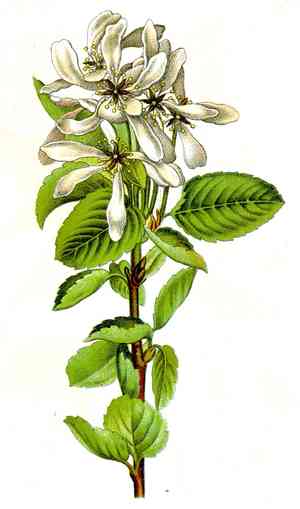
The ideal period for relocating low serviceberry is the pleasantly temperate, yet growth-enhancing, time from mid to late spring. Select a location with good drainage that receives filtered sunlight, and carefully amend the earth to accommodate its fragile root system.
What Preparations are Needed Before Transplanting Low Serviceberry?
What is the Ideal Time for Transplanting Low Serviceberry?
The perfect period to move low serviceberry is during its active growth phase in mid to late spring. Relocating low serviceberry at this time ensures root establishment before winter. Transferring low serviceberry then takes advantage of mild temperatures and increased rainfall, which promotes strong root development and lessens transplant shock. This timely action gives low serviceberry the best start in its new spot, promising a successful growing season.
How Much Space Should You Leave Between Low Serviceberry Plants?
To provide each low serviceberry sufficient room to develop, remember to space them 2-3 feet (60-90 cm) apart! By doing this, you guarantee each plant receives enough resources and minimize competition or potential disease spread.
What is the Best Soil Mix for Low Serviceberry Transplanting?
For low serviceberry, it's crucial to prepare a well-drained, fertile soil rich in organic matter. Add a base layer of compost or a slow-release organic fertilizer to enrich the ground. This will supply the necessary nutrients for your plant to flourish!
Where Should You Relocate Your Low Serviceberry?
When deciding where to plant your low serviceberry, select a location that gets full sun to partial shade. A spot receiving about 6-8 hours of sunlight would be ideal. This balance of sunlight encourages healthy growth and blooming in your plant.
What Equipments Should You Prepare Before Transplantation Low Serviceberry?
Gardening Gloves
To safeguard your hands while handling soil and low serviceberry.
Shovel or Spade
Used for digging holes in the ground and extracting the low serviceberry from its original spot.
Container or Burlap
For holding the low serviceberry during the relocation process.
Watering Can
To ensure the low serviceberry stays hydrated before, during, and after the transplanting procedure.
Pruning Shears
To trim any damaged or diseased roots from the low serviceberry.
Organic Mulch
Can be applied on top of the soil after transplanting low serviceberry to aid in moisture retention and temperature regulation.
How Do You Remove Low Serviceberry from the Soil?
How Do You Remove Low Serviceberry from the Soil?
From Ground: To start, water the low serviceberry plant to moisten the soil, which will help make its removal from the ground easier. Next, dig a wide trench around the plant using a shovel or spade, being careful not to harm the plantâs root ball. Gently work the tool under the root ball to lift the plant from its initial location.From Pot: Water the low serviceberry and let it sit for a few moments to absorb the moisture. Then, carefully turn the pot sideways, keeping your hand against the pot's surface where the plant is rooted. Apply a gentle pull to the base of the low serviceberry, and it should slide out, preserving the root ball.From Seedling Tray: Water the low serviceberry tray and allow it to sit briefly. Tip it to one side, then gently push the bottom of the low serviceberry cell. The seedling, with its root ball and surrounding soil, should easily pop out.
Step-by-Step Guide for Transplanting Low Serviceberry
Preparation
Begin by thoroughly watering the low serviceberry in its original spot. This will help reduce transplant shock.
Digging a Hole
The hole you dig for your low serviceberry should be twice as wide as its root ball and not too deep, so the plant's crown sits level with the ground surface.
Placement
Place the low serviceberry in the hole, ensuring it is straight. Position it at the same depth as it was in its original location. Backfill the hole carefully, making sure there are no air pockets.
Watering
After planting, water thoroughly to settle the soil around the roots. Apply a 2-3 inch layer of mulch around the plant, leaving the immediate area around the stem mulch-free. This helps conserve moisture and prevent weed growth.
How Do You Care For Low Serviceberry After Transplanting?
Watering
Consistent irrigation is crucial; water the low serviceberry thoroughly upon transplanting and aim to keep the soil consistently moist for several weeks afterward. This aids the plant in establishing new roots.
Pruning
If the low serviceberry becomes damaged or shows signs of disease after transplanting, use pruning shears to remove the affected area. Be sure to sanitize the shears before and after each cut to prevent potential disease spread.
Watchful Eye
Monitor your low serviceberry plant closely for the first few weeks after transplanting to ensure it's adapting well. Signs of transplant shock can include wilting, yellowing, or dropped leaves.
Mulching
Replenish the mulch around the low serviceberry as needed, maintaining a 2-3 inch layer to help conserve soil moisture and regulate temperature.
Troubleshooting Common Issues with Low Serviceberry Transplantation.
When can I best transplant low serviceberry?
Transplant low serviceberry during its second to third growth stage, which will support optimal development and health.
How much space does low serviceberry need between each plant during transplantation?
Allow each low serviceberry about 2-3 feet (approximately 60-90 centimeters) of space from each other to encourage growth.
What could cause low serviceberry to wilt after transplanting?
Wilting can be due to insufficient water, transplant shock, or incorrect planting depth. Ensure adequate watering and proper planting.
Why is my transplanted low serviceberry not growing?
It might be due to inadequate sunlight, poor soil conditions, or transplantation at the wrong time. Ensure soil is rich and well-drained.
What should I do if the leaves on my low serviceberry turn yellow after transplanting?
Yellowing may indicate overwatering or poor soil drainage. Try reducing watering frequency and ensure soil drains properly.
How deeply should I plant low serviceberry when transplanting?
Plant low serviceberry so it's at the same depth as in its previous location. Avoid planting too deep.
Can I transplant low serviceberry in the summer?
Though low serviceberry can adapt to various conditions, it's best transplanted during its second to third growth stage, not in the peak of summer.
How frequently should I water low serviceberry after transplanting?
Water low serviceberry thoroughly after planting and then regularly, about 1-2 times a week. Adjust based on your area's rainfall.
What should I do if the transplanted low serviceberry doesn't bear fruits?
Lack of fruiting may be because of insufficient light, nutritional deficiency, or an immature plant. Ensure full sun exposure and plenty of nutrients.
What's the ideal soil type for transplanting low serviceberry?
Low serviceberry thrives well in well-drained soil that is rich in organic matter. Amend the soil at the planting site if necessary.



